Fuel cell systems require carefully selected hose solutions to ensure reliable hydrogen supply, air management, and thermal control under demanding operating conditions. Choosing the right Fuel Cell Silicone Hose depends on multiple factors, including application requirements, operating temperature, pressure conditions, media compatibility, and cleanliness standards.
Unlike conventional automotive hose applications, fuel cell systems are more sensitive to material performance. Components used in these systems must minimize contamination risks, maintain stable performance over long operating periods, and support the reliability of critical components such as fuel cell stacks, membranes, and sensors.
This guide explains the main applications of fuel cell hoses, including Anode Hose, Cathode Hose, and Coolant Hose, the key requirements engineers should consider, and how to select a reliable supplier for customized fuel cell hose solutions.
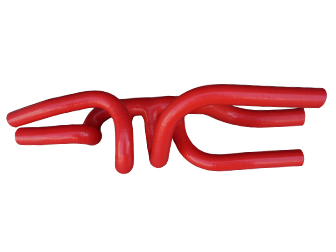
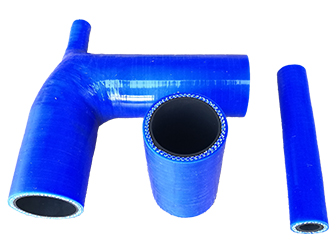
What Are Fuel Cell Silicone Hoses and Why Are They Important?
A fuel cell system generates electricity through an electrochemical reaction between hydrogen and oxygen. During this process, different fluid and gas circulation systems work together to maintain stable operation.
Hoses serve as important connection components within these systems. Depending on the application, they may be used for hydrogen supply, air intake, thermal management, or other fluid transfer requirements.
High-performance fuel-cell silicone hoses are designed for applications where standard hose materials may not provide sufficient reliability. They typically require characteristics such as:
• Excellent temperature resistance
• Stable mechanical performance
• Low levels of volatile compounds
• Good cleanliness performance
• Reliable sealing capability
• Long service life under continuous operation
RAINBOW Manufacturing develops silicone hose solutions for hydrogen-powered fuel cell applications, including thermal management, fuel supply, and air intake systems. The company’s fuel cell hose solutions are designed with specific material and structural considerations to support demanding operating environments.
Main Applications of Fuel Cell Silicone Hose
Fuel cell systems include different working circuits, and each application has different performance requirements. RAINBOW provides fuel cell hose solutions covering three main categories: Anode Hose, Cathode Hose, and Coolant Hose.
| Fuel Cell Hose Type | Main Function | Typical Application | Key Requirements |
| Anode Hose | Transfers hydrogen-related media to the fuel cell stack | Hydrogen supply system |
Hydrogen compatibility, reliable sealing, low contamination risk, pressure stability |
| Cathode Hose | Manages air or oxygen supply for fuel cell operation | Air intake and gas circulation system |
Temperature resistance, low volatile compounds, mechanical durability |
| Coolant Hose | Transfers coolant to maintain fuel cell operating temperature | Thermal management system |
Coolant compatibility, low extractables, long-term durability, stable performance |
Each fuel cell hose type has different performance requirements depending on its location and function within the system. Selecting the correct hose solution requires considering the operating medium, temperature conditions, pressure requirements, and long-term reliability expectations.
Anode Hose: Supporting Hydrogen Supply Systems
The anode side of a fuel cell system manages hydrogen flow to the fuel cell stack. The hose used in this area needs to provide reliable sealing performance and maintain stability during long-term operation.
Hydrogen has very small molecular characteristics, which makes leakage control an important consideration in system design. Therefore, hose materials and structures need to be carefully selected according to pressure requirements, operating conditions, and system safety requirements.
Important factors for anode hose applications include:
Hydrogen Compatibility
The hose material should maintain stable physical properties when exposed to hydrogen-related environments. Proper material selection helps improve sealing reliability and reduce performance degradation over time.
Cleanliness and Material Stability
Fuel cell systems contain sensitive components that may be affected by unwanted contaminants. Materials with controlled extractable levels can help reduce potential risks to system performance.
Mechanical Durability
Fuel cell vehicles and energy systems may experience vibration, temperature changes, and continuous operating cycles. Reinforced hose structures help maintain strength and flexibility during service.
A properly engineered anode hose supports stable hydrogen management and contributes to the overall reliability of the fuel cell system.
Cathode Hose: Managing Air Intake and Fuel Cell Operation
The cathode side of a fuel cell system manages air or oxygen supply required for the electrochemical reaction. Cathode hoses are commonly used in air intake and related connection systems.
Compared with conventional air hoses, fuel cell air management components often require higher cleanliness and stability because the fuel cell stack and related components are sensitive to contamination.
Key considerations include:
Temperature Resistance
Fuel cell air systems may experience continuous temperature changes during operation. The hose needs to maintain flexibility and structural integrity under these conditions.
Low Volatile Compounds
Some fuel cell components, including sensors and membranes, require a controlled operating environment. Materials with low volatile compound levels help reduce the possibility of unwanted interference.
RAINBOW fuel cell silicone hose solutions use high-quality silicone materials with low volatile compound levels to support the long-term reliability of fuel cell-related components.
Reinforced Construction
Depending on application requirements, reinforced structures can improve pressure resistance and dimensional stability, especially in systems exposed to vibration or mechanical stress.
Coolant Hose: Supporting Fuel Cell Thermal Management
Thermal management is a critical part of fuel cell system design. During operation, the fuel cell stack generates heat, and the cooling circuit must maintain the system within an appropriate temperature range to ensure stable performance.
In fuel cell applications, coolant hose solutions are used to connect key components within the thermal management system, such as the fuel cell stack, pumps, and heat exchangers.
Compared with traditional cooling systems, fuel cell cooling circuits have stricter requirements because the coolant environment can be highly sensitive to contamination and material interaction.
Important considerations for fuel cell coolant applications include:
Coolant Compatibility
The hose material must remain stable when exposed to cooling media such as distilled water and water-ethylene glycol mixtures. Proper material selection helps prevent swelling, aging, and performance degradation during long-term operation.
Low Extractables and Cleanliness
Fuel cell cooling systems often require high-purity coolant conditions. Unwanted extractable substances released from hose materials may increase coolant conductivity or affect sensitive fuel cell components.
Therefore, fuel cell coolant hose materials need to be carefully selected to reduce potential contamination risks and maintain system reliability.
Long-Term Durability
Fuel cell vehicles and energy systems may operate continuously for extended periods. Coolant hose designs need to withstand repeated temperature changes, pressure fluctuations, and mechanical stress while maintaining reliable performance.
When engineers experience cooling system problems such as leakage, material degradation, or contamination concerns, the right coolant hose fix is usually not simply replacing the hose with a standard product. Instead, the solution requires selecting a hose designed according to the specific fuel cell operating environment.
RAINBOW develops fuel cell hose solutions with specialized materials and structures for thermal management applications. These solutions are designed to provide resistance to distilled water and water-ethylene glycol mixtures while maintaining low extractable levels and reliable performance.
Key Requirements for Fuel Cell Silicone Hose Selection
Selecting the right hose for a fuel cell application requires a comprehensive understanding of the working environment. Engineers need to evaluate not only the hose size but also the operating media, temperature conditions, pressure requirements, cleanliness standards, and expected service life.
Material Purity and Low Extractables
Fuel cell systems contain sensitive components such as membranes, catalysts, and sensors. Materials used in these systems should minimize the release of unwanted substances that could influence system performance.
High-quality Fuel Cell Silicone Hoses are developed using carefully selected silicone compounds and manufacturing processes to achieve stable material performance.
For applications involving fuel cell air systems, extremely low levels of volatile compounds are important because released substances may affect sensors and membranes over long-term operation.
Temperature and Pressure Resistance
Fuel cell systems experience continuous operating cycles, including temperature changes, pressure fluctuations, and mechanical vibration.
A suitable hose design should consider:
• Operating temperature range
• Working pressure
• Reinforcement structure
• Installation conditions
• Required flexibility
Multi-layer reinforcement structures can improve pressure resistance and help maintain hose shape under demanding operating conditions.
For engineers asking, "can you use Silicone Hose for fuel cell", the answer depends on the specific application. Silicone hose can be suitable for certain fuel cell systems where high temperature resistance, flexibility, and cleanliness requirements are important. However, material selection should always be based on the actual working conditions, including the transferred media, pressure, and system design.
Chemical and Media Compatibility
Fuel cell systems may involve different operating environments, including hydrogen supply, air circulation, and cooling circuits. Each application requires careful consideration of material compatibility.
For applications where additional chemical resistance is required, specialized lined hose solutions may provide enhanced protection.
RAINBOW manufactures fluororubber (VITON)-lined silicone hoses, combining a chemical-resistant inner layer with a flexible silicone outer structure. These hoses can provide improved resistance to fuels, chemicals, and certain demanding coolant environments.
The correct material choice depends on the specific application requirements rather than using one hose type for all situations.
Safety and Performance Standards
Fuel cell applications often require strict safety and reliability considerations. Depending on the application, hose solutions may need to meet requirements related to:
• Flame resistance
• Electrical characteristics
• Cleanliness
• Mechanical durability
RAINBOW fuel cell silicone hose solutions are developed with features such as low electrical surface resistance, flame-retardant capability, and compliance with relevant industry requirements for specific applications.
How to Choose the Right Fuel Cell Silicone Hose Supplier?
Choosing an experienced supplier is important for companies developing hydrogen energy systems, fuel cell vehicles, and related applications.
A qualified manufacturer should provide not only hose products but also engineering support throughout product development.
Fuel Cell Application Experience
Fuel cell hose requirements are different from traditional automotive hose applications. Suppliers with experience in hydrogen and clean energy applications can better understand requirements related to material purity, thermal management, and long-term reliability.
Custom Development Capability
Many fuel cell projects require customized hose solutions based on system design and installation requirements.
A capable manufacturer should support:
• Custom dimensions
• Special hose shapes
• Reinforcement selection
• Material recommendations
• Prototype development
This allows engineers to develop hose solutions that better match their system requirements.
Quality Management and Testing Capability
Reliable suppliers should have strict quality control procedures, including:
• Material inspection
• Dimensional inspection
• Performance testing
• Production consistency control
RAINBOW Manufacturing is an ISO 9001-certified silicone hose manufacturer specializing in customized silicone hose solutions for automotive, fuel cell, and industrial applications.
Why Choose RAINBOW for Fuel Cell Silicone Hose Solutions?
RAINBOW Manufacturing focuses on high-performance silicone hose solutions for demanding applications, including hydrogen-powered fuel cell systems.
The company provides customized fuel cell silicone hose solutions covering:
• Anode Hose for hydrogen supply-related applications
• Cathode Hose for air intake and gas circulation systems
• Coolant Hose for fuel cell thermal management systems
With silicone hose manufacturing experience and customization capabilities, RAINBOW supports customers from initial product discussions to production development.
For companies working on hydrogen vehicles, clean energy equipment, or fuel cell-related projects, selecting a manufacturer with engineering knowledge and customization capability can help improve product reliability and reduce development risks.
Conclusion
Fuel cell systems require hose solutions that can deliver stable performance in demanding operating environments. From hydrogen supply and air management to thermal control, each application requires careful consideration of material compatibility, temperature resistance, cleanliness, and durability.
Selecting the right Fuel Cell Silicone Hose is not simply about choosing a standard hose size. Engineers need to evaluate the complete system requirements and work with a supplier that can provide suitable materials, customized designs, and reliable manufacturing support.
RAINBOW Manufacturing provides customized fuel cell hose solutions for hydrogen energy, fuel cell vehicles, and other clean technology applications. Whether you need support with hose selection, prototype development, or customized production, our engineering team can help you find a suitable solution.
Contact RAINBOW Manufacturing today to discuss your fuel cell hose requirements and develop a reliable solution for your application.