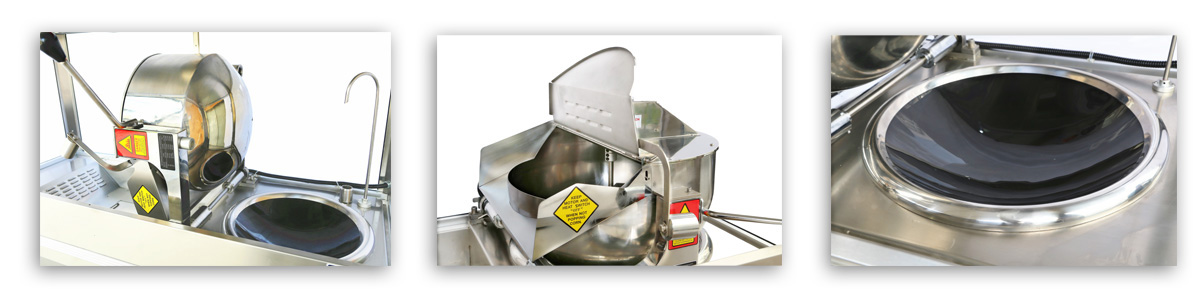
Why choose XFD induction popper?

XFD induction Popcorn Machine


XFD invented the first Induction Popper on earth, which has established XFD’s leader position in popcorn industry all over the world.


Do you know why so many people choose induction popper?


Firstly, induction popper can make the popcorn much larger, which makes the popcorn taste better. Compared to the traditional electric heating, the induction heating is a process in which induction energy is converted to heat. This uniquely energy-efficient process converts up to 97% of the electrical energy into effectual heat. It can reach 180°C in 1 min(traditional popper needs 3-4 mins), for the whole popping process, it’s only 2.5-3mins to finish one kettle (traditional popper needs 5-7 mins). It’s very faster, and the faster, the better for the shape of fininshed popcorn. For cinemas, we usually sale popcorn by cups, the larger popcorn means much more cups and much more money.


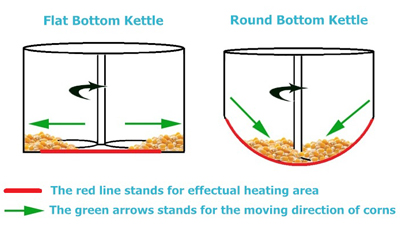
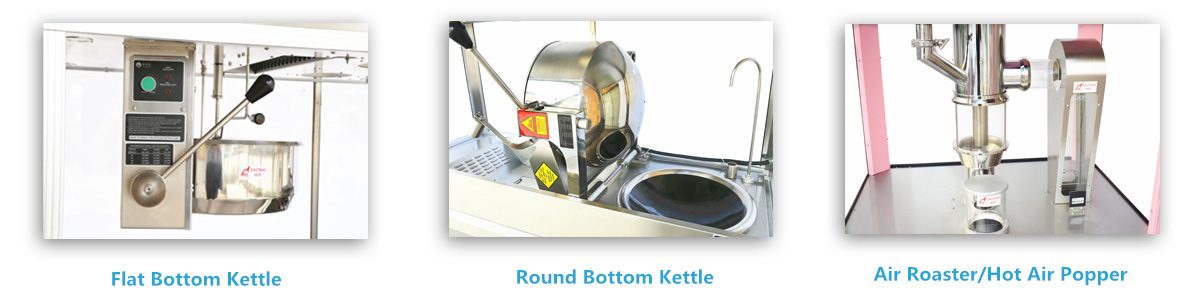
Secondly, the induction popcorn machine can improve the yield of finished popcorn(about 5%). The popping speed of induction popper is much faster, this is very good for the popping processes. Not only the fast heating can improve the yield rate, but the ball shape kettle can also greatly increase it. Due to the ball shape design of the kettle, when popping, it can avoid the centrifugal effect and ensure all the ingredients are in the middle of the kettle bottom (the effectual heating area) and well popped, this directly improves the production yield. For traditional flat bottomed kettle of poppers, during popping, due to the centrifugal force, the ingredients will move towards the edge of the kettles, deviating from the effective heating area, resulting in a lower yield rate. High yield also means much more cups of popcorn and money.


Thirdly, the popcorn can be coated much more evenly. When popping, before dumping the kettle, all the popcorn will stay in the kettle and be coated, so it can be coated much more evenly. But for traditional popcorn machine, when popping, even without dumping the kettle, the popcorn that popps first will stay at the top of the kettle and fall out, while the coating sugar will remain at the bottom of the kettle, so the popcorn that popps first often cannot be coated evenly.


Fourthly, the induction popcorn machine is much safer. After turning off the power, the induction popcorn machine will immediately stop heating, unlike traditional popcorn machines that still have residual heat, so it can quickly cool down and prevent burns. And you can start to clean it soon, saving the cleaning time.


Fifthly, the induction popper is suitable for both mushroom and butterfly popcorn. Due to its fast heating speed and induction technology, the induction popper can present the best appearance of mushroom and butterfly popcorn, making it colorful, fragrant, and delicious.


Lastly, induction popper is very easier to clean. When cleaning the kettle, we just put soome water into the kettle and heat it, 1 min later the water will boil, and the water vapor will adhere to the kettle wall. Due to the design of the ball shape for the kettle, the water droplets will carry the stains on the kettle wall and flow to the kettle bottom, playing an automatic cleaning role. Finally, pour out the dirty water to complete the cleaning process.


In short, the induction popper is easier to clean up and being maintained, operation safety, cost saving, energy conservation and stable performance. It is really suitable for theaters, schools and more commercial places. XFD induction poppers will exceed your expectations.


How to Choose the Right CNC Machine Tools

CNC (Computer Numerical Control) machine tools play a pivotal role in modern manufacturing, serving as the backbone of precision machining and industrial production. These tools are engineered to perform intricate cutting, shaping, drilling, and finishing tasks with unparalleled accuracy and efficiency.

Their integration into the manufacturing process has transformed industries such as aerospace, automotive, healthcare, and electronics, where high precision and consistency are paramount.

The significance of CNC machine tools lies in their ability to enhance efficiency, precision, and productivity. Unlike manual tools, CNC machine tools operate with pre-programmed instructions, ensuring that every cut or movement is executed with exact precision. This reduces material waste, minimizes human error, and accelerates production timelines.

For instance, a properly chosen milling cutter can increase output while maintaining tight tolerances, which is crucial for components requiring high dimensional accuracy.

However, selecting the wrong CNC tools can lead to significant challenges. Poor tool choice may result in inconsistent cuts, premature tool wear, or even damage to the workpiece or machine itself.

For example, using a tool not suited to the material being machined can cause overheating or chipping, leading to increased downtime and higher operational costs. Therefore, understanding how to choose the right CNC machine tools is vital for businesses aiming to optimize their production processes.

This article will provide a comprehensive guide to CNC machine tools, starting with their definition and types and then diving into the key factors to consider when selecting them. By understanding these fundamentals, manufacturers can make informed decisions that ensure optimal tool performance and durability.


What Are CNC Machine Tools?

CNC machine tools are specialized devices used in automated machining processes to shape, cut, or finish materials into precise forms. They are operated by CNC systems, which execute pre-programmed instructions to perform specific machining operations. These tools are essential for tasks requiring high precision and repeatability, making them indispensable in manufacturing settings.

It’s important to distinguish CNC machine tools from CNC machines themselves. While a CNC machine refers to the entire setup—including the machine body, control system, and moving parts—the term “CNC machine tools” specifically refers to the components used for cutting, drilling, or shaping materials.

Examples include milling cutters, turning tools, and grinding wheels. The tools are the interface between the CNC machine and the workpiece, directly impacting the quality of the finished product.


Types of CNC Machine Tools

CNC machine tools can be broadly categorized into three types based on their application:

1. Cutting Tools:

○ Milling Cutters: Used for removing material to create precise shapes and surfaces.

○ Drills: Ideal for creating holes of varying sizes and depths.

○ Turning Tools: Used in lathes to shape cylindrical parts by removing material.

2. Finishing Tools:

○ Grinding Wheels: Ensure smooth finishes and accurate dimensions by removing tiny amounts of material.

○ Polishing Tools: Enhance surface quality and shine, often used for decorative or functional purposes.

3. Specialized Tools:

○ Engraving Tools: Create intricate patterns or markings on surfaces.

○ Tapping Tools: Used to cut internal threads in holes.

○ Chamfering Tools: Used to create beveled edges for functional or aesthetic purposes.


Basic Components of CNC Machine Tools

The performance of CNC machine tools depends on their materials and coatings. Common tool materials include:

● Carbide: Known for its hardness and heat resistance, making it ideal for high-speed applications.

● High-Speed Steel (HSS): Offers good toughness and wear resistance for general-purpose machining.

● Ceramics: Suitable for high-temperature operations and hard materials like cast iron.

In addition to material composition, tool coatings play a crucial role in improving tool performance and longevity. Coatings such as titanium nitride (TiN) and aluminum oxide (Al₂O₃) reduce friction, enhance wear resistance, and improve cutting efficiency. For example, a carbide tool with a TiN coating can handle higher speeds and last significantly longer than an uncoated tool.

Factors to Consider When Choosing CNC Machine Tools

Selecting the right CNC machine tools requires careful evaluation of various factors to ensure efficiency, durability, and precision in machining operations. Here’s a breakdown of the key considerations:

Material Type

The type of material being machined plays a critical role in tool selection. Hard metals like steel or titanium require robust tools such as carbide or ceramic, which can withstand high temperatures and resist wear.

In contrast, softer materials like plastics, composites, or wood are better suited to high-speed steel (HSS) tools, which offer greater flexibility and sharpness. For example, milling cutters with sharp edges and low-friction coatings work well for aluminum, while diamond-coated tools are ideal for machining composites.

Production Volume and Scale

The production scale determines the durability and type of tools needed. For high-volume manufacturing, tools with advanced coatings and long wear resistance, like titanium nitride-coated carbide tools, are essential for extended use. Conversely, small-batch production or prototyping may prioritize cost-effective tools over longevity.

Precision and Accuracy Requirements

Tight tolerances and intricate designs require specialized tools with high precision. Industries like aerospace and medical device manufacturing demand ultra-precise tools such as micro-end mills or diamond-coated tools, ensuring flawless finishes and dimensional accuracy.

Tool Geometry and Design

The shape and size of a tool directly influence cutting performance. For example, tools with sharp angles are optimal for slotting, while rounded tools are better suited for contouring. Threading applications may require uniquely shaped taps or thread mills for efficient operation.

Coatings and Durability

Tool coatings like titanium nitride or aluminum oxide enhance performance by reducing friction, improving heat resistance, and extending tool life. These coatings are particularly beneficial for high-speed applications or machining abrasive materials.

Cutting Parameters

The compatibility of a tool with specific cutting speeds, feed rates, and depths of cut is essential for achieving optimal results. Tools that can operate at higher parameters improve productivity without compromising quality.

Tool Holder and Machine Compatibility

Tool stability depends on compatible holders and spindles. Selecting tools that match the machine’s speed, torque, and power specifications ensures seamless operation and reduces the risk of tool failure.

Budget and ROI

Balancing cost with quality is crucial. Investing in high-quality tools often results in long-term savings through reduced wear, fewer replacements, and improved machining efficiency, ensuring a better return on investment (ROI).

By carefully considering these factors, manufacturers can select CNC machine tools that align with their production needs and operational goals.

Choosing the Right Supplier for CNC Machine Tools

Selecting a reliable supplier is just as critical as choosing the right CNC machine tools. The supplier’s reputation, support services, and adherence to quality standards can significantly impact the efficiency and longevity of your tools.

Reputation and Reliability

Sourcing tools from trusted brands or suppliers ensures quality and performance consistency. Reputable suppliers often have a proven track record of delivering durable tools tailored to various applications. When evaluating a supplier, look for customer reviews, case studies, or testimonials highlighting their reliability. For instance.

Technical Support and Guidance

Suppliers offering expert technical support are invaluable, especially for businesses needing help selecting the right tools for specific applications. Reliable suppliers provide after-sales support, such as warranties, tool replacements, and maintenance services, ensuring uninterrupted operations. This guidance can save time and reduce the risk of purchasing incompatible or subpar tools.

Customization Options

In industries requiring specialized machining operations, custom CNC tools are essential. Provide bespoke tooling solutions for unique applications, helping industries such as aerospace, automotive, and medical meet their specific requirements.

Certifications and Standards

Certifications like ISO or CE ensure that CNC machine tools meet stringent quality and safety standards. Tools from certified suppliers guarantee superior performance and compliance with global manufacturing regulations, offering peace of mind to customers.

Partnering with a reputable supplier ensures access to high-quality tools, expert guidance, and the flexibility to meet your production needs.


Assessing Tool Quality Before Purchase

Choosing the right CNC machine tools requires careful evaluation to ensure they meet the needs of your production process. Assessing quality before purchase can save time, money, and effort in the long run.

Material and Build Quality

High-quality tools are characterized by robust materials such as carbide, high-speed steel (HSS), or ceramics. Examine the build quality by looking for uniformity and precision in construction. Avoid tools with visible defects, uneven surfaces, or substandard finishes, as these can lead to poor performance or premature wear.

Performance Reviews and Case Studies

Customer reviews and case studies provide invaluable insights into a tool’s performance. Feedback from users in similar industries helps gauge durability, cutting efficiency, and reliability. Many suppliers share case studies showcasing how their tools excel in specific applications, making them a helpful resource for informed decision-making.

Testing and Trial Runs

Before committing to a purchase, conduct trial runs to evaluate tool performance. Test the tools on the intended materials to monitor cutting efficiency, surface finish quality, and tool wear. This practical assessment ensures the tool will meet your requirements and deliver optimal results in real-world conditions.


Common Mistakes to Avoid When Choosing CNC Machine Tools

Selecting the wrong CNC machine tools can disrupt production, increase costs, and compromise product quality. Avoid these common mistakes to ensure a smooth manufacturing process:

Ignoring Material-Specific Needs

Each material—whether metal, plastic, or composite—requires tools tailored to its properties. Using tools unsuited to the material can result in poor cutting performance, damage to the tool, or subpar product finishes. Always prioritize tools designed specifically for the materials you work with.

Overlooking Compatibility

Tools incompatible with your CNC machine's spindle size, speed, or torque can lead to unstable operations and reduced efficiency. Mismatched tools can also cause damage to the machine or compromise precision. Always verify compatibility with your machine’s specifications before purchasing.

Focusing Solely on Cost

While budget constraints are important, prioritizing cost over quality can lead to higher long-term expenses due to frequent replacements or poor performance. Investing in durable, high-quality tools provides better ROI and reduces downtime caused by tool failure.

Neglecting Maintenance Requirements

Failing to consider maintenance needs can shorten tool lifespan and reduce productivity. Opt for tools that are easy to maintain and ensure regular upkeep to maximize their efficiency and longevity.

By avoiding these pitfalls and conducting thorough assessments, businesses can select CNC machine tools that enhance efficiency, precision, and overall productivity.


Maintaining CNC Machine Tools for Longevity

Proper maintenance is essential for ensuring CNC machine tools perform optimally and last longer. By adopting effective practices, businesses can reduce downtime, enhance efficiency, and minimize costs.

Routine Maintenance Practices

Regular maintenance is crucial to keeping tools in top condition. Cleaning tools after use removes debris and reduces the risk of rust or wear. Sharpening cutting edges maintains precision and efficiency, while replacing worn tools prevents damage to the machine and workpieces. Following a recommended maintenance schedule, such as daily cleaning and periodic inspections, ensures consistent performance and prevents sudden failures.

Storage and Handling

Proper storage and handling can significantly extend the lifespan of CNC tools. Tools should be stored in designated compartments or protective cases to prevent physical damage and exposure to moisture or contaminants. When handling tools, use appropriate safety measures like gloves and avoid dropping or mishandling them. These simple steps ensure the tools remain intact and ready for use.

Monitoring Tool Wear

Monitoring tool wear is key to maintaining efficiency and preventing unexpected breakdowns. Signs of wear, such as dull edges or uneven cuts, indicate that a tool needs replacement. Advanced monitoring systems can track tool performance in real-time, alerting operators when a tool reaches its wear limit. This proactive approach enhances precision and reduces waste.


Conclusion

All in all, selecting the right CNC machine tools is crucial for optimizing manufacturing processes and ensuring product quality. By considering factors such as material type, production volume, precision requirements, and tool geometry, manufacturers can make informed choices that enhance efficiency and reduce operational costs.

Additionally, choosing a reliable supplier and assessing tool quality before purchase are essential steps to avoid costly mistakes and ensure long-term tool performance. Proper maintenance and storage practices further extend the lifespan of CNC tools, contributing to sustained productivity.

Ultimately, understanding these key considerations empowers businesses to select the best CNC machine tools, leading to improved operational efficiency, higher-quality products, and greater profitability.

How does a Servo Motors work? How does it differ from other types of motors?

How Does a Servo Motor Work?

A servo motor is a type of electric motor used for precise control of angular position, velocity, and acceleration. It typically works in conjunction with a servo controller to provide feedback that allows the motor to adjust its performance to meet specific requirements. Here’s a breakdown of its working principle:


Feedback Loop: A servo motor consists of a motor (usually a DC or AC motor), a control circuit, and an encoder or potentiometer that provides position feedback. The motor’s position is constantly monitored and adjusted to match the desired position input, ensuring precise motion control.


Control Signal: The motor receives a pulse-width modulation (PWM) signal from the controller. The width of the pulse determines the motor’s speed and direction, while the position is adjusted by the feedback loop.


Motor Rotation: The motor is powered, and the feedback mechanism ensures it reaches and holds the desired position. It then continuously adjusts to correct any deviation from the input signal.


Accuracy: The feedback mechanism makes a servo motor highly accurate in its movements, typically achieving precise positioning within fractions of a degree.

high-performance servo motors

How Does a Servo Motor Differ from Other Types of Motors?

While a servo motor is designed for precision control, it differs from other types of motors in several key ways:


Closed-Loop Control System: Unlike standard DC or AC motors, which often run on an open-loop system (no feedback), servo motors operate with a closed-loop system. This feedback allows the motor to adjust in real-time to maintain precision.


Precision and Positioning: Servo motors are ideal for applications requiring precise positioning, such as robotics, CNC machinery, and conveyor systems. Standard motors (like stepper motors or DC motors) may lack the same level of fine control, especially at high speeds or when load conditions change.


Speed and Torque: Servo motors typically provide higher torque at low speeds compared to standard motors. They also tend to be more efficient at maintaining constant torque across a wide range of speeds.


Compact and Powerful: Servo motors are often more compact than other motors of equivalent torque, making them ideal for applications where space is limited.


Cost and Complexity: Servo motors are generally more expensive and complex than basic DC or stepper motors, owing to the built-in feedback systems and controllers.


Ctrl-Motor, we specialize in high-performance servo motors that are designed to meet the diverse needs of modern automation, robotics, and precision control applications. With a focus on quality and customization, we provide tailored solutions for your specific requirements. Our cutting-edge R&D team ensures that each motor delivers superior efficiency, high torque at various speeds, and long-lasting reliability for demanding tasks. By combining advanced technology, customization options, and a commitment to customer satisfaction, we are proud to support industries worldwide with exceptional motor solutions.Welcome to consult!


How to choose the right servo motor?

When selecting a servo motor, it's essential to understand its features, capabilities, and how it fits your specific application. Whether you're designing a robotic system, CNC machinery, or an automated production line, the right servo motor can make all the difference in performance, efficiency, and longevity. 


1. Torque and Speed Requirements

One of the first things to consider when selecting a servo motor is the amount of torque and speed your application requires. Torque refers to the rotational force the motor can provide, while speed dictates how fast the motor can rotate.


High torque servo motors are perfect for heavy-duty applications like robotics or industrial machinery where substantial force is needed.

High-speed servo motors are ideal for applications where rapid movement is essential, such as in packaging or assembly lines.

For example, if you're building a robotic arm that needs to lift heavy objects with precision, choosing a high-torque servo motor will be crucial for optimal performance.


2. Voltage and Current Ratings

The voltage and current ratings of a servo motor are also important considerations. Motors come in different voltage ratings, such as 12V, 24V, and 48V, each suitable for different applications. Make sure to match the motor's voltage with your system's power supply to ensure compatibility and avoid overheating or damage.


Low-voltage servo motors (e.g., 12V or 24V) are commonly used in smaller devices or battery-powered applications.

High-voltage servo motors (e.g., 48V or higher) are used in heavy-duty machines or systems that require high power output for continuous operation.


3. Feedback Systems and Control Options

Another critical factor is the type of feedback system the servo motor uses. Servo motors typically feature either an encoder or resolver for feedback, allowing the motor to adjust its position or speed based on input signals.


Closed-loop servo motors use an encoder or resolver to provide feedback, ensuring precise control over position, speed, and torque.

Open-loop servo motors, on the other hand, lack feedback mechanisms, which can lead to less accuracy and performance issues in dynamic environments.

Choosing a servo motor with a closed-loop system is generally recommended for most applications, especially when precision and reliability are crucial.


4. Size and Mounting Options

When selecting a servo motor, it’s important to consider the physical size and mounting options that best suit your application. Servo motors come in various frame sizes, from compact units to large industrial motors, and the mounting configuration will affect how you integrate the motor into your system.

For compact systems like drones or small robotic arms, smaller servo motors with space-saving designs are ideal.

Larger servo motors with customizable mounting options are perfect for industrial machinery or automation equipment.


5. Cost and Efficiency

Lastly, cost and efficiency should be evaluated when selecting a servo motor. While high-end motors with advanced features can be expensive, they often provide longer life spans and greater efficiency, leading to lower operational costs in the long run.


Choosing the right servo motor is a critical step in ensuring the success of your project or application. By considering factors such as torque and speed requirements, voltage and current ratings, feedback systems, size, and cost-efficiency, you can find the best servo motor to meet your needs. Whether you're working with small, lightweight systems or large industrial machines, there’s a servo motor out there that will help you achieve the precision and performance required for your project. If you are still unsure which servo motor is best suited to your needs, feel free to contact Ctrl-Motor, an expert in this field.


Why Do We Use Stepper Motors Instead of DC Motors?

In modern industrial applications, selecting the right motor plays a crucial role in the performance, reliability, and efficiency of a system. While DC motors have been widely used in the past, stepper motors have gained significant popularity due to their unique advantages, particularly in applications requiring precise control and operation under extreme temperature conditions.


One of the key differences between stepper motors and DC motors is the ability to provide precise control. Stepper motors move in discrete steps, allowing for high accuracy in positioning and speed control without the need for additional encoders or position sensors. This makes them ideal for applications where precision is critical, such as robotics, CNC machines, and automated systems. In contrast, DC motors typically require complex control systems to achieve similar levels of precision, which can increase system complexity and potentially impact performance stability.


In extreme temperature environments, stepper motors show their distinct advantages. Ctrl-Motor, for example, manufactures stepper motors designed to operate in temperature ranges from -196℃ to 300℃. These high and low temperature stepper motors are perfectly suited for demanding applications like aerospace, deep-sea exploration, and cryogenic research. DC motors, on the other hand, tend to suffer performance degradation at extreme temperatures, particularly in low-temperature environments where their efficiency and lifespan can be significantly reduced.


Additionally, stepper motors have a brushless design, which eliminates the need for regular maintenance associated with brush wear, a common issue in DC motors. Without brushes, stepper motors require minimal upkeep, reducing downtime and maintenance costs. DC motors, however, need periodic brush replacements to maintain proper contact, which can increase maintenance costs and affect the long-term reliability of the system. This brushless design makes stepper motors especially advantageous in applications where high reliability and low maintenance are essential.


Stepper motors also excel in providing high torque at low speeds, a feature that many DC motors cannot match without additional gearing. In many applications, such as driving conveyor belts or operating printing presses, stepper motors deliver the necessary torque efficiently at low speeds, without the added complexity of gear systems. This ensures smoother and more reliable operation.


Another benefit of stepper motors is their energy efficiency. Stepper motors only consume power when they are moving or holding a position, unlike DC motors, which continuously draw power, even when holding a position. This makes stepper motors particularly efficient for applications that require sustained holding torque, helping to reduce energy consumption and operating costs.


When selecting a stepper motor, especially one designed for extreme temperatures, it is essential to choose a trusted stepper motor manufacturer. Companies like Ctrl-Motor offer high-quality stepper motors backed by certifications such as ISO9001:2015, CE, and SGS, ensuring reliability and performance. An experienced manufacturer can provide tailored solutions for specific applications, ensuring that the stepper motor operates optimally under the most demanding conditions.


By choosing the right stepper motor, industries can benefit from enhanced performance, precision, and efficiency, especially in environments that require robust solutions. A reliable stepper motor manufacturer plays a crucial role in ensuring that these motors meet the highest standards of quality and performance for specialized applications.

Can Stepper Motors Operate in Harsh Conditions?

When choosing a high-quality stepper motor for industrial or professional applications, a critical question arises: Can stepper motors operate effectively under harsh conditions? The answer is a resounding yes! Due to their rugged design, stepper motors have become the go-to solution for environments that demand high precision in extreme conditions. Whether it’s high humidity, extreme temperatures, or dusty surroundings, stepper motors deliver consistent performance with minimal maintenance.


One of the standout features of stepper motors is their ability to withstand extreme temperatures. For instance, the high-low temperature stepper motor is specifically designed to operate in environments ranging from freezing cold to intense heat, all while maintaining its impressive torque of up to 4.5Nm. These motors are ideal for applications in outdoor automation, aerospace, and even deep mining where temperature fluctuations are common.

High/low temperature Stepper motor

Stepper motors are often engineered with sealed housings that protect them from dust, dirt, and moisture. This makes them perfect for environments like factories, construction sites, and even agricultural fields. A durable IP65-rated stepper motor for outdoor applications can handle moisture exposure without compromising its performance or lifespan.


In industries such as automotive, robotics, and military, vibration and shock resistance are critical. Stepper motors are built with robust components that resist mechanical wear, making them reliable in high-impact environments. Products like the industrial stepper motor with high torque are designed to endure these tough conditions, ensuring your machinery runs smoothly and precisely.


When considering motors for your demanding applications, it’s clear that stepper motors offer an unmatched balance of reliability, precision, and resilience. If you need a motor that performs regardless of environmental challenges, stepper motors are the perfect choice.


How does a stepper motor work? How does it differ from other types of motors?

A stepper motor is a type of electric motor that converts electrical pulses into mechanical movement. Its fundamental principle involves sequentially applying electrical current to different coils, causing the motor's rotor to rotate in discrete steps, with each pulse turning the rotor by a fixed angle (known as the step angle).


How It Works:

Pulse Control: The stepper motor receives pulse signals from a controller; each pulse causes the motor to turn a specific angle.

Stator and Rotor: Inside the motor, there are multiple electromagnetic coils (stator) and a rotor with magnets. By activating the coils in sequence, the rotor is attracted and rotates to the next position.

Precise Control: Stepper motors can control position and speed with high precision, making them ideal for applications like 3D printers, CNC machines, and robotics.


Differences from Other Motors:

Rotation Method: Stepper motors rotate in discrete steps, while DC and AC motors rotate continuously.

Control Method: Stepper motors are controlled by pulse signals, whereas DC and AC motors typically control speed and direction by adjusting voltage and frequency.

Feedback System: Stepper motors often operate in an open-loop control system without feedback, while servo motors use closed-loop systems with feedback sensors for position and speed.


Applications:

Due to their accuracy and controllability, stepper motors are widely used in robotics, automation equipment, printers, medical devices, and more.


At Zhonggu Weike (Shenzhen) Power Technology Co., Ltd., we specialize in providing advanced automation solutions, including high-performance stepper motors. These motors operate by converting electrical pulses into precise mechanical movement, making them an ideal choice for applications that require accurate positioning and speed control. Our stepper motors are designed to meet the rigorous demands of modern industries, ensuring reliability and efficiency in robotics, CNC machinery, and other automated systems. By leveraging our cutting-edge technology, clients can achieve optimal performance and enhance their operational capabilities. Discover how our products can elevate your projects. We are here to assist you in finding the perfect solution that meets your specifications!


Customized Service
We also offer fully customizable motor solutions to meet specific needs, including special requirements for radiation resistance, anti-fungal properties, impact resistance, and custom shaft designs. Our expert team is ready to work with you to create tailored solutions—contact us today to discuss your unique specifications!

What is the High Temperature for a Servo Motor?

Servo motors are crucial components in many industrial systems, providing precise control of position, speed, and torque. However, one important factor that often comes into play during the operation of these motors is the temperature they can withstand. Understanding the high temperature limits for a servo motor is essential for maintaining optimal performance and avoiding potential damage to the motor or the overall system.


Temperature Limits for Servo Motors

The temperature range that a servo motor can operate within depends on several factors, including the type of motor, the materials used, and the operating environment. Typically, standard servo motors can handle temperatures between -20°C and 40°C without performance degradation. However, some high-performance servo motors, especially those designed for extreme conditions, are engineered to operate in higher temperature environments.


For instance, high-temperature servo motors can withstand temperatures up to 70°C or 80°C, and some advanced models can even handle temperatures above 100°C, depending on the design and cooling mechanisms incorporated.

High Temperature Vacuum AC Servo Motor

Why Temperature Matters in Servo Motors

Temperature plays a vital role in the operation and longevity of servo motors. When motors are exposed to excessive heat, the insulation on the windings can break down, leading to electrical short circuits or even motor failure. Overheating can also cause the lubricant inside the motor to degrade, increasing friction and wear, which can ultimately reduce the motor's lifespan.


To avoid these issues, it's crucial to select the right motor for your specific application. For environments that regularly experience high temperatures, such as clean rooms, industrial plants, or space environments, a high-temperature rated motor, like our HSV series low-temperature servo motor, is highly recommended.


Solutions for Extreme Environments

At Ctrl-Motor,, we don’t just provide standard servo motors; we offer tailored solutions to meet the unique needs of our customers. Our product range includes high-temperature vacuum servo motors, low-temperature servo motors, vacuum gearboxes, and vacuum modules, designed to perform reliably in challenging conditions. We also offer customized development services to meet specific client requirements, ensuring that your motor solution fits your exact needs.


We provide solutions for special environmental conditions such as radiation resistance, mold resistance, and waterproofing. Our products are trusted by industry leaders for their durability and reliability, with certifications such as SGS and Moore Lab Reliability Certification, as well as ISO 9001:2015 and GJB9001C-2017 quality management certifications.


For more information about our high-temperature vacuum servo motors and other motor solutions, please don’t hesitate to contact us today.

What is a Tiger Shear?

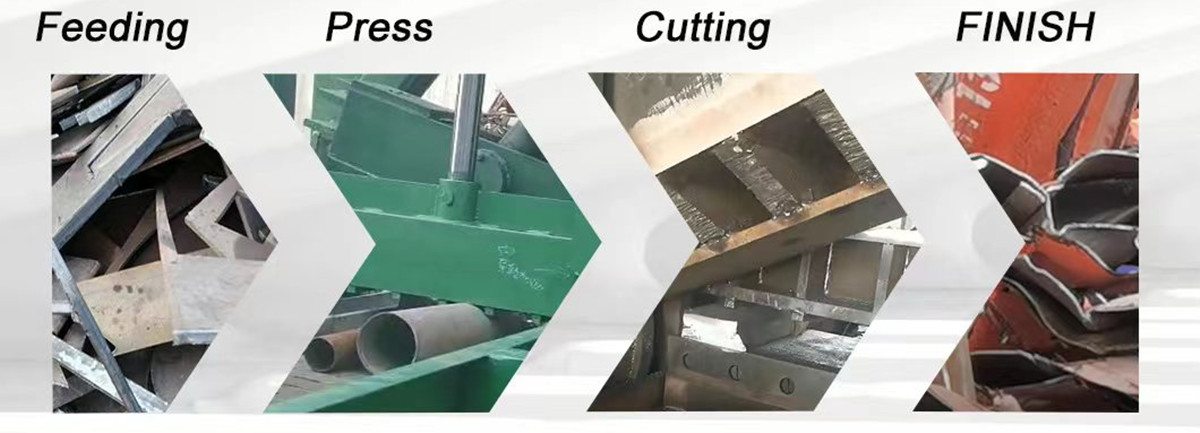
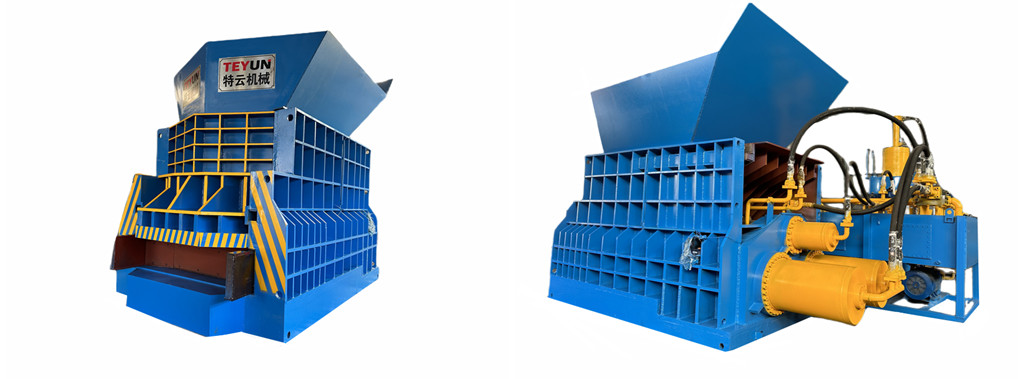
Scrap metal tiger shears can be used to shear various forms of cold steel and scrap metal. The shear is small in size, light in weight and has a large shearing section. Therefore, it is widely used in various recycling companies, scrap steel plants, and smelting and casting companies. The equipment is easy to install and operate, which can help users save a lot of time.

The length of the blades and the pressure generated during work of different models are different. We will recommend the appropriate type of shear according to the specific situation of the customer.


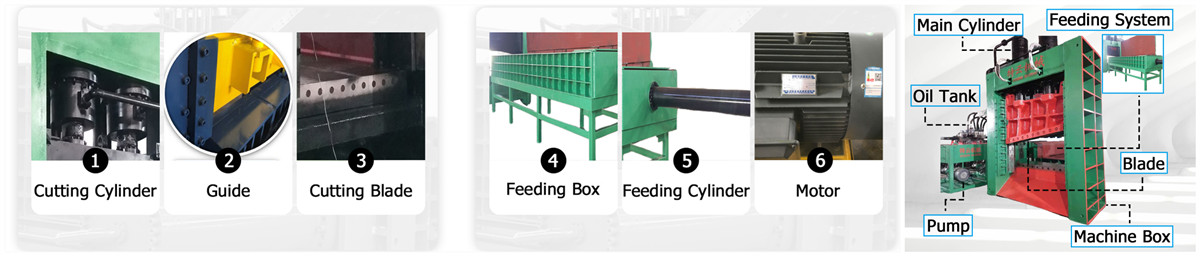
Structure

Hydraulic shears are usually composed of the following parts: generally including operating table, oil cylinder, pipe, oil tank, spindle, scissors, etc.

Main frame: This part can provide support and stability for the installation of other components.

Shearing edge: A blade made of high-strength material is used to cut metal materials.

Power supply system: Including motors, hydraulic systems, etc., to provide strong power and shearing pressure.

Control system: This system is used to control the operation and parameter adjustment of tiger head shears.

Scope of use of scrap metal shears

Hydraulic shears are used to shear fixed length, shear heads, shear tails, shear edges, shear test pieces, and remove local defects of rolled pieces.


Field of use:

Metal processing industry: Scrap metal shears are used to shear metal sheets, metal pipes, metal profiles, etc. to meet various processing needs.

Scrap recycling industry: It can be used to shear various scrap metals.

Automobile manufacturing industry: Plate shears can shear auto parts, scrapped vehicles, etc. to achieve waste treatment and recycling.

Railway and bridge construction: This machine can shear rails, steel bars, etc. to meet the metal processing needs in railway and bridge construction.


Comparison between tiger shearing machine and gantry shearing machine

1. Gantry shear has the characteristics of large size, high price and large footprint. In terms of working principle, gantry shearing machine is generally used for processing heavy scrap steel. He can handle heavy metal waste and is suitable for large metal processing plants.

2. Tiger head shears have the advantages of high pressure, small size, wide processing range and easy movement. Therefore, tiger head shears can handle general small and medium-sized metal scraps.

Advantages And Application Areas Of Color Sorters For Plastic Materials

In the modern era of recycling and waste management, the Plastic Color Sorting Machine and Plastic Polymer Sorter have emerged as essential tools in improving efficiency and accuracy in the sorting process. These machines play a crucial role in separating various types of plastic materials based on their colors and polymer types, leading to better recycling outcomes. Whether it’s distinguishing between PET and non-PET materials, or sorting HDPE, PP, PVC, and other polymers, these machines have become indispensable in industries that deal with plastic recycling.


Key Features of Plastic Color Sorting Machines


Plastic color sorting machines are built with advanced technology designed to identify and differentiate between different types of plastics. The following are some of the most important features:


1. High-Precision Optical Sensors:

These machines are equipped with sophisticated optical sensors capable of detecting subtle differences in plastic materials based on color, transparency, and chemical composition. This precision ensures that even plastics with similar visual characteristics, such as HDPE and PP, can be accurately sorted.

2. Automated Processing:

Unlike traditional manual sorting, which is labor-intensive and prone to human error, plastic color sorting machines use automation to process large volumes of plastic quickly and accurately. This not only speeds up the sorting process but also reduces labor costs and increases efficiency.

3. Multi-Stream Sorting:

Some machines are capable of sorting multiple types of plastics in a single pass, differentiating between PET, HDPE, PVC, PP, and more. This versatility makes them suitable for use in recycling facilities dealing with mixed plastic waste streams.

4. Customization and Adjustability:

Plastic color sorting machines can often be customized or adjusted to suit the specific needs of a recycling plant. Whether it’s sorting by color, polymer type, or transparency, users can program the machine to focus on specific materials or grades, ensuring optimal recovery rates.

5. Energy Efficiency:

Modern plastic sorting machines are designed to minimize energy consumption, using smart technology to optimize operations. This reduces operational costs and lowers the environmental impact, making them more sustainable over the long term.


The Benefits of Using a Plastic Color Sorting Machine


Implementing a plastic color sorting machine in the recycling process offers several substantial benefits:


1. Improved Sorting Accuracy


Perhaps the most significant advantage is the increase in sorting accuracy. Manual sorting often leads to mistakes, as different types of plastics can be difficult to distinguish by eye. Optical sorting technology, however, uses sensors to identify even minute differences in color and material composition, ensuring a higher degree of precision.


For example, in recycling facilities that process beverage bottles, PET and HDPE bottles often get mixed together. A plastic sorting machine can easily distinguish between these two materials based on their color and physical properties, separating them for more effective recycling.


2. Increased Efficiency and Throughput


Plastic sorting machines significantly increase the speed at which materials can be processed. Human workers might be able to sort a few hundred kilograms of plastic per day, but automated machines can process several tons of plastic in the same amount of time. This increased throughput allows recycling facilities to handle higher volumes of waste, leading to greater profitability and a larger positive impact on the environment.


In practice, a plastic sorting machine can handle complex waste streams, such as post-consumer plastic from households or industrial packaging waste. For example, a facility tasked with recycling automotive plastics will face a wide variety of plastic types, from ABS to PP. A plastic color sorting machine will help sort these materials faster and more efficiently than manual methods ever could.


3. Reduction in Labor Costs


One of the key economic advantages of using a plastic sorting machine is the reduction in labor costs. Since the machine performs much of the work automatically, fewer staff members are needed to oversee the sorting process. This frees up workers to focus on other tasks, reducing overall costs for the recycling facility.


Moreover, automation reduces the risk of injury associated with manual sorting, as workers are no longer exposed to hazardous materials or repetitive strain injuries caused by sorting large volumes of plastic by hand.


4. Higher Quality Recycled Plastic


By improving sorting accuracy, plastic sorting machines contribute to producing higher-quality recycled plastic. When different types of plastic are mixed together, the quality of the recycled material is compromised, limiting its use in new products. For instance, if PVC is mixed with PET, the resulting recycled material may not meet the standards required for food-grade packaging or other high-value applications.


With a plastic color sorting machine, plastics are sorted more accurately, resulting in purer batches of material that can be used to create higher-quality recycled products. This improves the value of the recycled material and increases the overall sustainability of the recycling process.


5. Environmental Impact


Effective sorting not only leads to better recycling outcomes but also helps reduce environmental harm. By properly sorting plastics, recycling plants can divert more materials from landfills, reducing pollution and conserving resources. Furthermore, improved recycling rates help reduce the need for virgin plastic production, which is associated with high energy use and greenhouse gas emissions.


Use Cases of Plastic Sorting Machines


1. PET Bottle Recycling:

In many countries, recycling centers deal with vast quantities of plastic bottles, primarily made from PET. Sorting PET bottles from other types of plastic, such as HDPE, is crucial to maintaining the quality of recycled plastic. The introduction of plastic color sorting machines has improved the efficiency of PET recycling by automatically separating PET from other materials like caps, labels, and different polymers.

2. E-Waste Recycling:

In the electronics industry, e-waste recycling involves handling a complex mix of plastics, metals, and other materials. Plastic sorting machines can distinguish between different types of plastic found in electronic devices, such as ABS and PC, making it easier to recycle these materials effectively.

3. Mixed Plastic Waste Management:

Municipal recycling facilities often receive mixed plastic waste from households, which may include a variety of plastics such as PVC, PP, and HDPE. Plastic color sorting machines help efficiently process these waste streams, reducing contamination and ensuring that each type of plastic is properly recycled.


Real-World Case Study: European Plastic Recycling Facility


A European plastic recycling facility recently installed an advanced plastic color sorting machine to handle mixed plastic waste from packaging. The machine was programmed to differentiate between PP, HDPE, and PET plastics. Since its installation, the facility has seen a significant improvement in its sorting efficiency, processing up to 30% more material each day while reducing contamination rates by 25%.


By automating the sorting process, the facility has also been able to reduce its labor costs by 15%, while the quality of the recycled plastic has improved to the point that the company now supplies higher-grade recycled materials to the automotive and consumer goods industries.


Plastic color sorting machines have revolutionized the recycling industry by increasing accuracy, efficiency, and the quality of recycled materials. From separating PET bottles to handling complex e-waste streams, these machines provide a practical solution to one of the most pressing challenges in modern recycling. They reduce the need for manual labor, improve the purity of recycled plastics, and contribute to more sustainable waste management practices. As recycling efforts continue to expand worldwide, the adoption of plastic sorting machines is set to play an increasingly vital role in creating a circular economy for plastics.