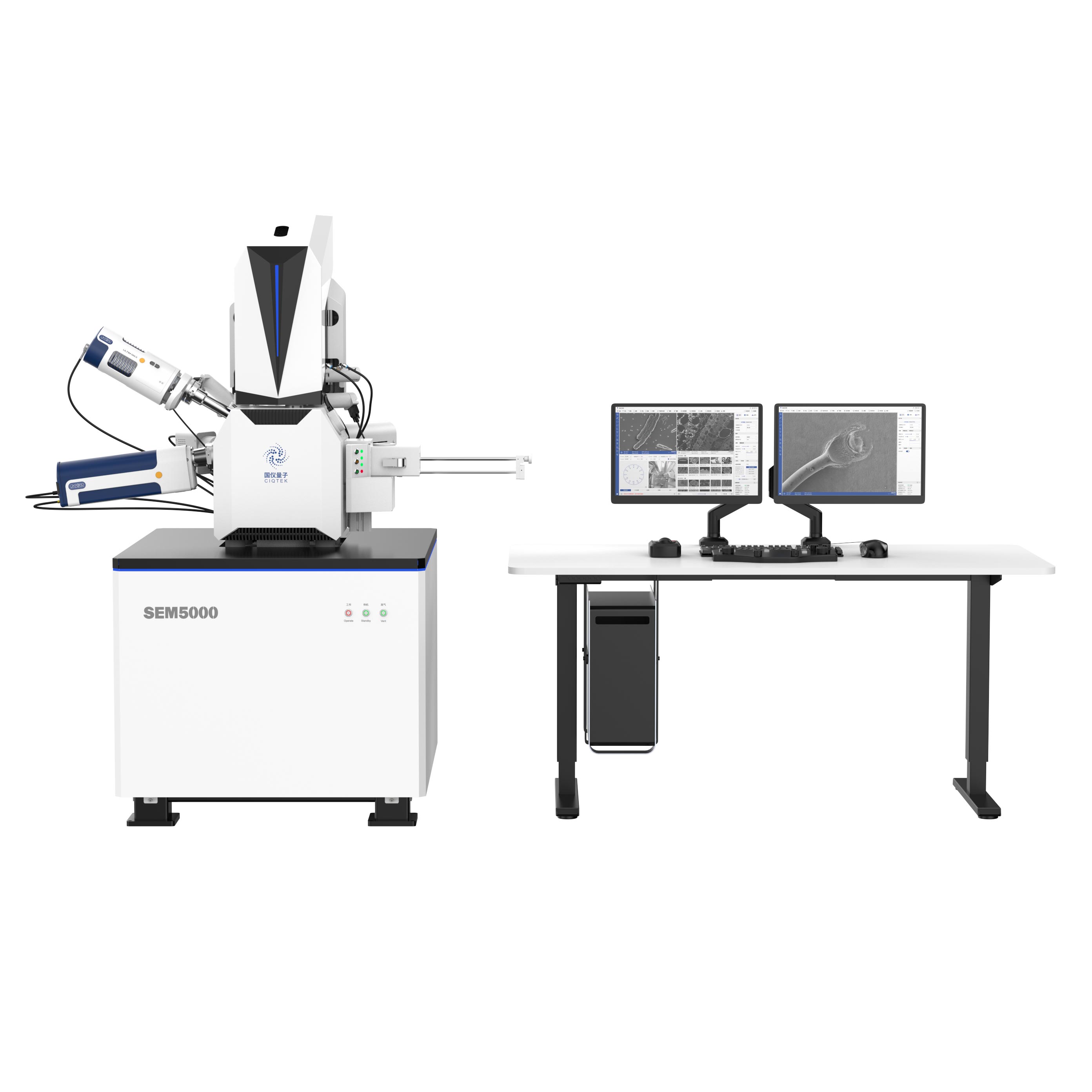
Exploring The World Of Nanoscale Imaging With CIQTEK SEM5000 Field Emission Scanning Electron Microscope

In today's world of rapidly advancing technology, scientific breakthroughs rely heavily on our ability to visualize and understand materials at the smallest scales. One such tool of considerable importance is the field emission scanning electron microscope (FE SEM), and the CIQTEK SEM5000 stands out for its superior imaging capabilities and versatility. In this blog post, we will delve into the fascinating world of the SEM5000, exploring its features, applications, and countless possibilities.


FE SEM5000 Introductions:

The SEM5000 is a cutting-edge field emission scanning electron microscope that allows scientists and researchers to observe specimens with unprecedented clarity and resolution. Its advanced electron optics and detector systems enable detailed imaging and analysis at nanometer scales, providing insights into the structure, morphology, and composition of diverse materials.


FE SEM5000 Key Features:

a. High-Resolution Imaging: The SEM5000 boasts superior resolution, capturing intricate details of specimens with exceptional clarity. Its electron optics system, combined with advanced detectors, ensures high spatial resolution even at low accelerating voltages.

b. Field Emission Electron Gun: The SEM5000 incorporates a field emission electron gun, producing a finely focused electron beam for precise imaging and analysis. This technology enables enhanced surface sensitivity and imaging capabilities compared to traditional thermionic sources.

c. Versatile Specimen Chamber: The SEM5000 features a flexible specimen chamber that allows for the observation of various sample types, including conductive and non-conductive materials, biological samples, and delicate structures. Its unique three-axis stage provides accurate positioning and imaging options from multiple perspectives.

d. Analytical Capabilities: The SEM5000 is equipped with energy-dispersive X-ray spectroscopy (EDS) capabilities, enabling elemental analysis and mapping of the sample's composition. This feature is particularly useful in materials science, geology, and forensics.


FE SEM5000 Applications:

a. Nanomaterials Research: The SEM5000 has proven invaluable in the study of nanomaterials, enabling detailed characterization of nanoparticles, nanotubes, and other nanostructures. Researchers can investigate their morphology, size distribution, and surface properties, paving the way for advancements in materials science and nanotechnology.

b. Life Sciences: In biological research, the SEM5000 provides high-resolution imaging of cell structures, organelles, and tissues, aiding in understanding cell morphology, disease mechanisms, and drug delivery systems.

c. Failure Analysis and Quality Control: Industries such as electronics, automotive, and manufacturing employ SEM5000 to examine material defects, and surface contaminants, and perform quality control checks, ensuring the reliability and safety of their products.

d. Geological and Forensic Sciences: The SEM5000's capability to analyze chemical composition and morphological features is crucial in geological sample analysis, mineral identification, and forensic investigations.


The CIQTEK SEM5000 Field Emission Scanning Electron Microscope has revolutionized the way we look at and study materials at the nanoscale, driving breakthroughs in a variety of scientific fields such as materials science, life sciences, biology, chemistry, industry, etc. CIQTEK, as a manufacturer and a global supplier of Scanning Electron Microscopes, delivers the SEM5000 with superb quality and the best price to customers all over the world.


CIQTEK field emission scanning electron microscope SEM5000

Analyzing a Complete Diaper Production Line and Its Equipment

choose a suitable diaper making machine


Production Scale

Determining your production scale involves understanding your production requirements, including the quantity of diapers to be produced per day and the demand from your target market. Selecting the appropriate scale of manufacturing equipment is essential to ensure meeting the market demand.

A. Understand the diaper demand in your target market, including potential sales volume and market growth potential. Conduct market research to analyze the consumer demographics, market share of competitors, and sales trends in your target market to determine the market demand.

B. Based on the market demand and sales trends, make sales forecasts. Consider factors such as seasonal demand fluctuations, promotional activities, and product innovation to predict sales volume for different time periods.

C. Evaluate your available resources, including human resources, raw material supply, and production facilities. Consider factors such as the manpower you can allocate, the reliability of raw material supply, and the capacity of your production facilities to determine the limitations on production scale based on resource availability.

D. Consider the relationship between production scale and cost-effectiveness. Generally, larger-scale production can achieve higher economies of scale and cost savings. However, it is essential to balance cost and market demand to ensure that the production scale can meet the market demand and generate profitability.

E. Evaluate your budget and investment capacityto determine the production scale and related costs you can afford. Consider expenses such as equipment purchase or leasing, labor costs, raw material procurement, and marketing expenditures to ensure that the production scale aligns with financial feasibility.

F. Assess potential risks and uncertaintiesand consider their impact on the production scale. Take into account factors such as supply chain risks, market competition, sales fluctuations, and demand changes to develop appropriate risk management strategies.
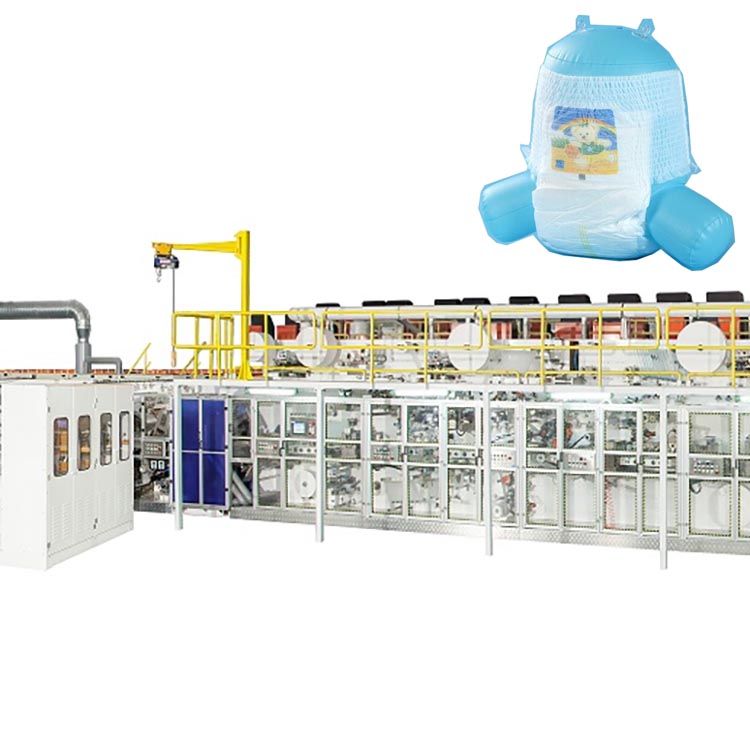
Baby Diaper Production Line
Automatic Full Servo Baby Diaper Machine


Degree of Automation

The level of automation you wish to achieve in your baby diaper production line. Some manufacturing equipment offers higher levels of automation, reducing manual intervention and increasing production efficiency. Select the appropriate level of automation based on your budget and production requirements.


A. The degree of automation is often related to the production scale. If you have a smaller production scale, highly automated equipment may not be necessary. On the other hand, if you have a larger production scale, highly automated equipment may be more suitable as it can improve production efficiency and reduce labor costs.


B. Equipment with higher levels of automation typically comes at a higher price. You need to assess your budget and determine how much capital you can allocate to equipment purchases. Considering the return on investment and long-term benefits, choose the level of automation that fits within your budget.


C. Equipment with higher levels of automation can reduce the demand for human resources and lower labor costs. If labor costs are high, opting for a higher degree of automation may provide advantages.


D. Equipment with different levels of automation has different technical requirements. Equipment with higher levels of automation may require higher levels of technical knowledge and maintenance to ensure smooth operation and troubleshooting. You need to evaluate your technical capabilities and resources and choose the level of automation that matches them.


E. Diaper manufacturing involves multiple processes and complex production flows. Depending on your product requirements, such as size, shape, absorbency, and other characteristics, choose equipment with the appropriate level of automation. Certain specific processes may require higher levels of automation to ensure product quality and consistency.


Flexibility and Adjustability


Flexibility refers to the ability of equipment to adapt to different product requirements and production needs. A highly flexible diaper manufacturing machine can accommodate the production of diapers with different sizes, shapes, absorbency levels, and other requirements.


This means that you can make adjustments and changes to your product line based on market demands, producing different styles of diapers. Equipment with high flexibility often has adjustable parameters and modular designs, allowing it to adapt to different product configurations.


Adjustability refersto the ability of the equipment to adjust and control the production process. A diaper manufacturing machine with good adjustability can make various parameter adjustments to meet different production needs.


For example, adjusting the thickness of the absorbent layer, the tightness of the elastic waistband, the sealing strength of the side tabs, etc. Equipment with high adjustability can make precise adjustments based on product quality standards and market demands, ensuring the production of diapers that meet the required specifications.


Quality and Stability


A. Choose suppliers with a good reputation and extensive experience. Research the background information of the suppliers, including their expertise and industry reputation in the diaper manufacturing field. Look at customer feedback and reference cases to understand how their machines perform in real-world applications.


B. Gain a detailed understanding of the technical specifications and features of the diaper manufacturing machines. Ensure that the machines comply with relevant quality certification standards, such as ISO certification. These certifications provide some assurance that the supplier follows international standards in the design and manufacturing process.


C. Carefully assess the design and manufacturing quality of the machines. Consider factors such as structural stability, material quality, and manufacturing processes. A sturdy and durable machine is more likely to provide long-term stable performance and reliability.


D. Contact the suppliers and conduct site visits to observe the actual operation of the machines and understand their production efficiency and stability.

Technical Support and After-Sales Service


A. Ensure that you are aware of the channels through which you can communicate with the supplier for technical support, such as phone, email, online chat, or remote connection. Clarify that these channels are convenient and timely so that you can receive support when needed.


B. Inquire whether the supplier offers a training program to help your operators become familiar with and proficient in operating and maintaining the machines. A good supplier should be able to provide training courses and materials to ensure that your team can fully utilize the machine's capabilities.


C. Ask the supplier about their repair and spare parts support. Ensure that the supplier can provide timely repair services and supply high-quality original spare parts. This minimizes the impact of machine failures on production.


D. Carefully read and evaluate the after-sales service contract provided by the supplier. Ensure that the contract clearly specifies technical support, repair services, spare parts supply, and other relevant aspects. Pay attention to clauses regarding warranty periods, service scope, and liability limitations in the contract.


Cost-effectiveness


Evaluate the overall cost-effectiveness of the manufacturing machine, including equipment price, operational costs, energy consumption, and maintenance expenses. Take into account the equipment price, production efficiency, and product quality, and choose the most cost-effective manufacturing machine.


Reference Experience and Advice


Seek the opinions and advice of experts in the industry or other diaper manufacturers. Their experience and insights can help you better understand and select the manufacturing machine that suits your business needs.

 

7 key points to guide you in choosing the right diaper manufacturing machine!

Production Scale

Determining your production scale involves understanding your production requirements, including the quantity of diapers to be produced per day and the demand from your target market. Selecting the appropriate scale of manufacturing equipment is essential to ensure meeting the market demand.

A. Understand the diaper demand in your target market, including potential sales volume and market growth potential. Conduct market research to analyze the consumer demographics, market share of competitors, and sales trends in your target market to determine the market demand.

B. Based on the market demand and sales trends, make sales forecasts. Consider factors such as seasonal demand fluctuations, promotional activities, and product innovation to predict sales volume for different time periods.

C. Evaluate your available resources, including human resources, raw material supply, and production facilities. Consider factors such as the manpower you can allocate, the reliability of raw material supply, and the capacity of your production facilities to determine the limitations on production scale based on resource availability.

D. Consider the relationship between production scale and cost-effectiveness. Generally, larger-scale production can achieve higher economies of scale and cost savings. However, it is essential to balance cost and market demand to ensure that the production scale can meet the market demand and generate profitability.

E. Evaluate your budget and investment capacityto determine the production scale and related costs you can afford. Consider expenses such as equipment purchase or leasing, labor costs, raw material procurement, and marketing expenditures to ensure that the production scale aligns with financial feasibility.

F. Assess potential risks and uncertaintiesand consider their impact on the production scale. Take into account factors such as supply chain risks, market competition, sales fluctuations, and demand changes to develop appropriate risk management strategies.

Baby Diaper Production Line
Automatic Full Servo Baby Diaper Machine


Degree of Automation

The level of automation you wish to achieve in your baby diaper production line. Some manufacturing equipment offers higher levels of automation, reducing manual intervention and increasing production efficiency. Select the appropriate level of automation based on your budget and production requirements.


A. The degree of automation is often related to the production scale. If you have a smaller production scale, highly automated equipment may not be necessary. On the other hand, if you have a larger production scale, highly automated equipment may be more suitable as it can improve production efficiency and reduce labor costs.


B. Equipment with higher levels of automation typically comes at a higher price. You need to assess your budget and determine how much capital you can allocate to equipment purchases. Considering the return on investment and long-term benefits, choose the level of automation that fits within your budget.


C. Equipment with higher levels of automation can reduce the demand for human resources and lower labor costs. If labor costs are high, opting for a higher degree of automation may provide advantages.


D. Equipment with different levels of automation has different technical requirements. Equipment with higher levels of automation may require higher levels of technical knowledge and maintenance to ensure smooth operation and troubleshooting. You need to evaluate your technical capabilities and resources and choose the level of automation that matches them.


E. Diaper manufacturing involves multiple processes and complex production flows. Depending on your product requirements, such as size, shape, absorbency, and other characteristics, choose equipment with the appropriate level of automation. Certain specific processes may require higher levels of automation to ensure product quality and consistency.


Flexibility and Adjustability


Flexibility refers to the ability of equipment to adapt to different product requirements and production needs. A highly flexible diaper manufacturing machine can accommodate the production of diapers with different sizes, shapes, absorbency levels, and other requirements.


This means that you can make adjustments and changes to your product line based on market demands, producing different styles of diapers. Equipment with high flexibility often has adjustable parameters and modular designs, allowing it to adapt to different product configurations.


Adjustability refersto the ability of the equipment to adjust and control the production process. A diaper manufacturing machine with good adjustability can make various parameter adjustments to meet different production needs.


For example, adjusting the thickness of the absorbent layer, the tightness of the elastic waistband, the sealing strength of the side tabs, etc. Equipment with high adjustability can make precise adjustments based on product quality standards and market demands, ensuring the production of diapers that meet the required specifications.


Quality and Stability


A. Choose suppliers with a good reputation and extensive experience. Research the background information of the suppliers, including their expertise and industry reputation in the diaper manufacturing field. Look at customer feedback and reference cases to understand how their machines perform in real-world applications.


B. Gain a detailed understanding of the technical specifications and features of the diaper manufacturing machines. Ensure that the machines comply with relevant quality certification standards, such as ISO certification. These certifications provide some assurance that the supplier follows international standards in the design and manufacturing process.


C. Carefully assess the design and manufacturing quality of the machines. Consider factors such as structural stability, material quality, and manufacturing processes. A sturdy and durable machine is more likely to provide long-term stable performance and reliability.


D. Contact the suppliers and conduct site visits to observe the actual operation of the machines and understand their production efficiency and stability.

Technical Support and After-Sales Service


A. Ensure that you are aware of the channels through which you can communicate with the supplier for technical support, such as phone, email, online chat, or remote connection. Clarify that these channels are convenient and timely so that you can receive support when needed.


B. Inquire whether the supplier offers a training program to help your operators become familiar with and proficient in operating and maintaining the machines. A good supplier should be able to provide training courses and materials to ensure that your team can fully utilize the machine's capabilities.


C. Ask the supplier about their repair and spare parts support. Ensure that the supplier can provide timely repair services and supply high-quality original spare parts. This minimizes the impact of machine failures on production.


D. Carefully read and evaluate the after-sales service contract provided by the supplier. Ensure that the contract clearly specifies technical support, repair services, spare parts supply, and other relevant aspects. Pay attention to clauses regarding warranty periods, service scope, and liability limitations in the contract.


Cost-effectiveness


Evaluate the overall cost-effectiveness of the manufacturing machine, including equipment price, operational costs, energy consumption, and maintenance expenses. Take into account the equipment price, production efficiency, and product quality, and choose the most cost-effective manufacturing machine.


Reference Experience and Advice


Seek the opinions and advice of experts in the industry or other diaper manufacturers. Their experience and insights can help you better understand and select the manufacturing machine that suits your business needs.


Why it is called a double jersey circular knitting machine?

A Double Jersey Circular Knitting Machine is a machine used for weaving fabrics. It has double stitches on both sides. Unlike single-jersey knitting machines, double-jersey knitting machines have double needles on both the needle plate and the needle cylinder. It is used to knit double knitted products. Double knitting machines can produce knitted fabrics in various patterns and designs. This machine is widely used in textile production.


Unlike Single Jersey Circular Knitting Machine, double jersey machine have two tissue needles on the needle plate and needle cylinder. It is used to knit double knitted products. The special large tripod structure ensures the stability and efficiency of the machine. The overall adjustable yarn feeding ring and adjustable yarn feeding nozzle can easily change the fabric type.


Features and advantages:

1. Two needle beds for knitting: Unlike single jersey machines, the machine use two needle beds to form front and back stitches during the produce. This creates one fabric with two different sides.


2. Stretchability: double jersey circular knitting machine's product has inherent stretchability. This property makes it popular in sportswear.


3. Stability: This machine provide better stability to the fabric, reducing the tendency for edges to unravel or curl.


Application:

Double-faced fabrics are used in a wide variety of fields, including:


1. Sportswear: The stretch and recovery properties of interwoven fabrics make them ideal for sportswear, providing athletes with unrestricted movement and extra comfort during workouts.


2. Underwear: The soft and smooth texture of the double-sided ribbed fabric makes it ideal for underwear, ensuring optimal comfort throughout the day.


3. Surgical gowns: double-sided fabrics are also widely used in the production of compression garments and medical textiles due to their stretchability and breathability.

Are circular knitting machines better than flat knitting machines?

In the world of textile manufacturing, flat knitting machines and circular knitting machines stand out as common choices for manufacturers around the world. While both types of knitting machines have the common goal of creating knitted fabrics, circular knitting machines do have one aspect that is superior to flat knitting machines.


Circular knitting machines operate in a continuous circular motion. Circular knitting means that you can create items with circular patterns and without seams. The most common garments that use this type of knitting are socks and gloves. There are some tricks you can use to speed up the creative process of knitting, but circular knitting machines may be a good choice.


This knitting machines consist of a cylinder, often called a knitting head, which contains countless rows of needles arranged in a circular pattern. The yarn is fed into the needles through sinkers and yarn guides. During the knitting process, as the cylinder rotates, the yarn continues to form a tubular fabric.


Flat knitting machines are known for their versatility and flexibility, allowing manufacturers to create complex patterns and designs effortlessly. These machines operate by fixing the yarn on a flat surface and forming flat knitted fabric panels by moving the needles horizontally and vertically. Flat knitting machines usually consist of a needle bed, a carriage, and guides.


The needle bed has many narrow slots or grooves that serve as bases for the needles. Each needle is manipulated by a cam system or computer control, allowing for precise control of the pattern formation. A carriage moves the needles horizontally across the bed, while yarn guides accurately feed the yarn into the needles to form the fabric.


To summarize the above text, circular knitting machines are known for their high-speed production capabilities, making them ideal for batch fabric manufacturing. Especially for the double jersey circular knitting machine. Due to the circular motion of large circular knitting machines, they can easily produce large quantities of single-piece fabric designs. The characteristics of flat knitting machines limit the width of the fabric they produce, making them less suitable for a variety of overall designs. In addition, producing large fabric panels on flat knitting machines can be very time-consuming, especially compared to other fabric production methods.

Application and performance of EPS

We generally use EPS Foam Sheet Extrusion Machine to produce expanded polystyrene. Expanded polystyrene has a wide range of applications. We divide them into three major categories, namely:

  1. Packaging
  2. Construction
  3. Other applications.


Packaging Any product of any shape or size can be packed in expanded polystyrene. Industrial and food packaging industries using EPS. When packaging products, EPS is the best packaging option for almost all high-value, heavy-duty products. EPS prevents friction and damage during transportation and loading, reducing transportation costs.


Additionally, EPS is designed to fit perfectly into automated production lines, including the packaging of products. EPS packages are ideal for integrated production systems. In terms of cost, versatility and functionality, EPS packaging systems are often the best way to go. There are no sharp metal and plastic edges, making it safer for workers to handle.


The same applies to food packaging, seafood, meat, fruits and vegetables - EPS packaging is the best way to keep any food fresh. This low-cost material can prevent food from coming into contact with other items during transportation, causing food contamination and damage. So that all kinds of goods can reach consumers safely. Food safety is very important, and inadequate protection may cause food safety problems. This seriously endangers consumers' health and also causes a certain degree of food waste.


Of course, EPS packaging is not a disposable product. We have EPS foam recycling machines to reuse EPS packaging, which is more environmentally friendly. We also have a fast food box foaming machine to produce fast food boxes for special food packaging, which is safer and more convenient.


What are the characteristics of EPE foam profile extruder?

In the ever-evolving world of packaging solutions, the need for efficient, multifunctional machinery is crucial. The versatility, efficiency and environmental friendliness of our foam profile machine make it an excellent choice for various industries looking for reliable and sustainable packaging solutions.


EPE foam profile extruder foam profile machine supplier


The EPE foam profile extrusion making machine is a cutting-edge piece of equipment designed to produce high quality foam profiles for a variety of packaging applications. With advanced extrusion technology, it converts raw EPE foam into custom profiles with exceptional precision and speed. It mainly has the following features:


1. Multifunctional profile production: This machine has unparalleled versatility and can produce foam profiles of different shapes, sizes and densities to meet the diverse requirements of the packaging industry.

2. High efficiency: The EPE foam extruder is equipped with automatic control and efficient heating system to optimize the production process and ensure high-speed extrusion, thereby improving productivity.

3. Customization options: This machine can precisely customize foam profiles, such as edge profiles, L-shaped profiles, U-shaped profiles, etc., to meet the specific needs of packaging applications.

4. Cost-effective solution: The use of EPE foam combined with the efficiency of the machine provides an economical packaging solution without compromising quality and protection.

5. Eco-friendly packaging: EPE foam is recyclable and environmentally friendly, making it an attractive choice for sustainable packaging solutions. EPE foam profile extrusion manufacturing machines promote sustainability by producing recyclable foam profiles, thereby reducing waste and minimizing environmental impact.


EPE foam profile extruders are widely used in various industries, including food and beverages, electronics, furniture, automobiles, and more. Our machines enable manufacturers to produce high-quality, customizable foam profiles at a competitive cost.


Which Model of Tea Color Sorter Can Really Achieve the Sorting Performance of “High Capacity, Low Breakage and One Time Clean”?

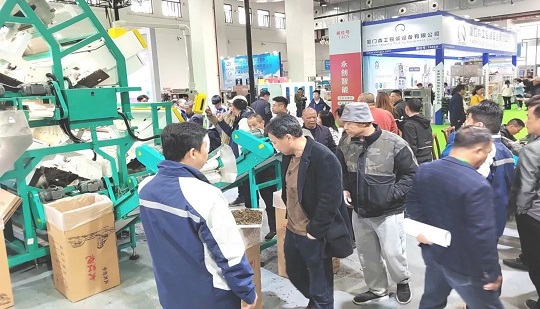
The 15th Cross-strait Tea Expo (hereinafter referred to as the “Tea Expo”) was grandly held in Wuyishan City on November 16 to 18. As the global leading provider of tea sorting solutions, Anysort exhibited its new DF series tea sorter and continued leading tea sorting process.

1.jpg

Sorting technology energizes the industry

As the main tea production area of Fujian Province, Wuyishan always insists the development concept of integrating tea culture, tea industry and tea technology. Tea technology and tea culture are the two wings for the high quality development of tea industry, which is the key that revitalizes and energizes Fujian tea industry.

Base on quality sorting technology, Anysort provides standard, scientific and intelligent production line solutions, continuously energizes the development of Fujian tea quality and tea industry, and increases quality and efficiency for them.

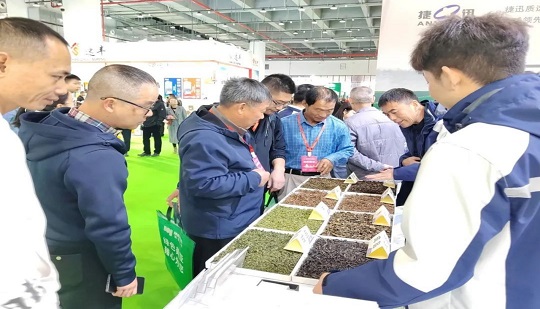
2.jpg

High capacity, low breakage and one time clean

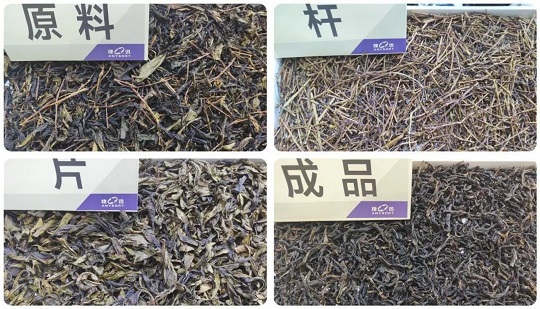
The DF53 tea color sorting machine exhibited in the Tea Expo is based on the new PLOV sorting self-learning platform and can precisely detect tiny differences of material in shape, separate stalks /flakes / buds by one time, and also meets shape sorting requirements of tea for separating big tea and small tea, long tea and short tea, thick tea and thin tea, etc.

3a.jpg

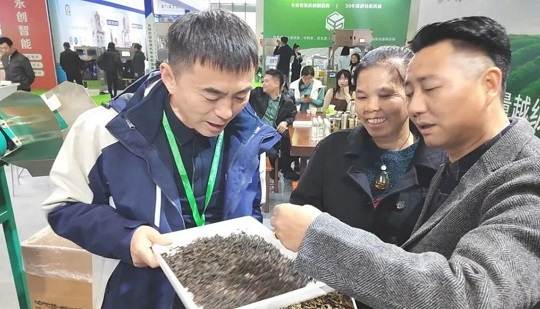
DF tea color sorter has really achieved the sorting performance of “high capacity, low breakage and one time clean”. The demonstration of performance was generally recognized by the audience in the expo. More and more customers are believing in Anysort and choosing DF.

4a.jpg

4b.jpg

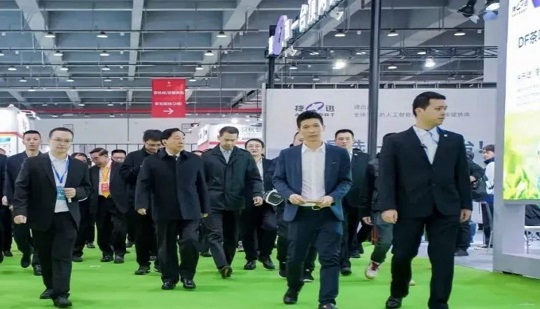
Qi Xuchun, the vice president of the 12th CPPCC and other leaders and guests are visiting booths

By creating scientific, standard and intelligent tea sorting solutions, Anysort has covered tea sorting requirements in all applications and promotes the continuous progress of tea industry in a healthy and professional way!

Youngpool Technology showcased its intelligent splicing at the Chongqing exhibition, receiving recognition for its exhibited achievements from customers.

 On May 7th-9th, the 6th Global Semiconductor and Electronic Technology Expo (Chongqing) concluded successfully, and Youngpool Technology sincerely thanks you for your visit and support! We showcased a series of products including the L-4 and L-900 intelligent splicings, and although the results of the exhibition were limited, we were honored to engage in face-to-face communication and demonstration with you.

During the exhibition, our products were well-received, and we received recognition and attention from some customers. In particular, there were inquiries and consultations regarding the L-4 and L-900 intelligent splicings. These are all sources of encouragement and affirmation for us, which we deeply appreciate. Here are some moments from the exhibition negotiations:


Although the exhibition has ended, we look forward to establishing further connections with you. Whether you have any questions or needs regarding intelligent splicings, laser marking machines, vacuum defoaming machines, or any other equipment, we will provide enthusiastic and professional support to assist you.

Youngpool Technology expresses gratitude for your visit and support!

We look forward to future cooperation with you!

About Youngpool Technology:

Shenzhen Youngpool Technology Co., Ltd. is a standard equipment supplier focused on the electronics manufacturing industry, integrating research and development, production, sales, and service. It is a national high-tech enterprise.

The company has four product series: intelligent splicings, laser marking machines, laser depaneling machines, and vacuum defoaming machines. Adhering to the design principles of "easy-to-use, reliable, and intelligent," we aim to provide the industry with the most outstanding performance equipment, helping customers reduce equipment introduction and usage costs, and effectively improve yield and production efficiency.

Meeting the ever-increasing efficiency and quality requirements of customers is the purpose of our development, and driving industry progress is the unchanging mission of Youngpool. Becoming an indispensable force in the electronics manufacturing industry is the unchanging pursuit of Youngpool.

Contact Information:

1. Leave a message on our WeChat official account.

2. Phone: 18124172940


3. WeChat ID: YOUNGPOOL_Tech

What is the best saw blade for cutting rocks?

Generally we use a stone cutting machine for rock cutting, and there are several different saws used to cut rocks. The choice of saw depends on the type of rock you are working with.


A diamond saw blade is ideal for hard materials because it can cut through these materials without dulling as quickly or creating as much debris as other saws, ensuring efficient work.


A masonry saw is one of the best one for cutting through bricks, concrete, and stone with ease. It features a diamond saw blade teeth, specifically designed to cut hard materials, so the saw won't dull or wear out quickly while working. Masonry saws can be used for cutting, and many of these tools feature adjustable blades for precise cuts that ensure tight tolerances. This type of saw is more common on construction sites, but using the correct safety precautions and regular maintenance can extend its life and avoid safety hazards.


Our commitment to excellence is what drives our success. We are committed to providing the best quality and customer service. We work hard to ensure every blade meets our high standards. Our team is constantly researching new technologies and materials to ensure all our blades reach their maximum potential.


We provide professional high efficiency stone cutting machines, with a variety of saws to choose from, you can easily complete the cutting task, please contact us today.

Stone cutting machine