Industries and Application Cases of Metal Spinning Machine

Metal spinning machines are essential for efficiently forming axisymmetric metal parts. With seamless forming, uniform wall thickness, high material utilization, and excellent precision, they are widely used across manufacturing, helping businesses cut costs, boost efficiency, and upgrade product quality—from daily consumer goods to high-end industrial equipment.
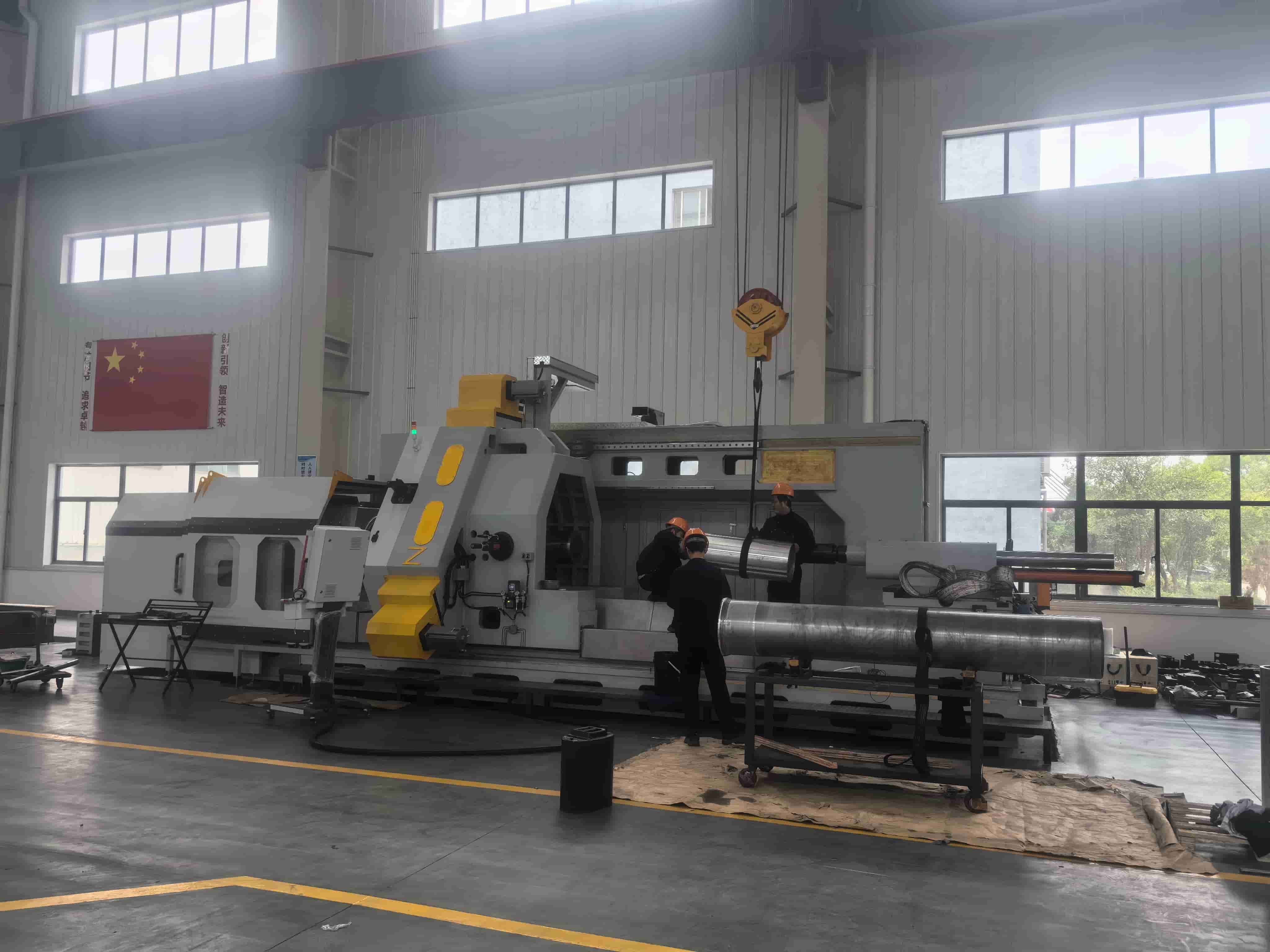
 

spinning metal


Cookware & Home Appliances

The most common use is in cookware and home appliances, including stainless steel woks, soup pots, pressure cooker liners, rice cooker bodies, and kettles. Unlike traditional stamping and welding, spun products are seamless, hygienic, leak-proof, and more durable. CNC spinning completes forming in one step, removing extra welding and polishing, improving efficiency and making food-grade certification easier.


Automotive Components

Many symmetric auto parts rely on spinning: exhaust shells, catalytic converter housings, turbocharger parts, shock absorber housings, wheels, and fuel tank heads. Spun parts feature uniform thickness, lightweight design, and high strength, resisting vibration and impact. This lowers reject rates, improves assembly accuracy, and reduces overall vehicle production costs.


New Energy Industry

Demand in new energy is rising rapidly. Spinning produces ultra-thin, seamless cylindrical battery cases for lithium batteries, preventing leakage and deformation while enhancing safety and cycle life. It also makes high-pressure hydrogen cylinder heads, wind power end covers, and shaft sleeves, meeting strict requirements for sealing, corrosion resistance, and structural strength.


Lighting & Hardware

Spinning is widely used for lamp reflectors, shades, and metal decorative parts. It easily creates parabolas, arcs, and tapered shapes with smooth surfaces, improving anodizing and painting results. CNC models support fast mold changes to fit small‑batch, customized lighting orders.


Aerospace & Military

Aerospace and military applications include rocket nose cones, fuel tank heads, satellite reflectors, aero-engine fairings, and high-pressure cylinders. Spinning forms large, thin-walled, high-strength seamless parts from titanium, aluminum, and high-temperature alloys, with higher material usage and better fatigue and heat resistance. Many critical components only meet standards with CNC spinning.


Pressure Vessels & Piping

Spinning machines manufacture boiler heads, gas tank heads, flanges, and pipe fittings. Spun heads offer high strength, pressure resistance, and no welding defects, complying with safety standards and avoiding leaks. They support larger diameters and thicker plates than stamping, with greater flexibility and lower cost.

As manufacturing upgrades, metal spinning machines grow more automated and versatile. Delivering high efficiency, energy saving, material savings, and premium quality, they help enterprises optimize processes and strengthen competitiveness. Spinning has become an indispensable tool in modern metal forming.


Selection of manual and CNC metal spinning machines Complete Guide

Introduction


Selecting between manual and CNC metal spinning machines represents a critical decision that directly impacts production efficiency, quality consistency, and manufacturing flexibility. Understanding the fundamental differences between manual vs CNC metal spinning machine comparison parameters enables manufacturers to make informed investment decisions aligned with their specific production requirements. Proper equipment selection optimizes both capital investment and long-term operational costs while ensuring technical capabilities match application demands in sheet metal spinning operations.


Technology Fundamentals Comparison


Manual metal spinning machines require operator skill for precise control of spinning roller pressure and movement patterns during sheet metal spinning operations. CNC metal spinning machines utilize programmed automation to execute complex forming sequences with consistent precision regardless of operator experience levels. Automatic metal spinning machine systems integrate multiple axes of motion control enabling intricate geometries that challenge even the most skilled manual operators.


Production Volume Considerations


Manual spinning equipment excels in low-volume production environments where frequent design changes and prototype development require flexible, adaptable processes. CNC metal spinning machine configurations deliver superior efficiency in medium to high-volume production through reduced setup times and consistent cycle times in automated sheet metal spinning applications. The automatic metal spinning machine particularly benefits repetitive production runs where identical components require manufacturing with minimal variation across large quantities.


Precision and Consistency Analysis


Manual spinning operations depend heavily on operator technique creating potential variability in wall thickness and dimensional accuracy across sheet metal spinning production batches. CNC metal spinning machines achieve repeatable precision through programmed control maintaining consistent spinning roller paths and forming pressures throughout extended production cycles. Modern automatic metal spinning machine systems incorporate real-time monitoring that automatically compensates for material variations during precision sheet metal spinning operations.


Setup and Changeover Efficiency


Manual equipment typically requires minimal programming preparation but demands significant physical setup time for each new sheet metal spinning project. CNC metal spinning machine systems utilize digital program storage enabling rapid changeovers between different production jobs with pre-verified spinning parameters. The automatic metal spinning machine dramatically reduces non-productive time between production runs through automated tooling adjustments and programmed setup sequences.


Skill Requirements and Training


Manual spinning operations necessitate extensive operator training to develop the tactile skills and judgment required for quality sheet metal spinning production. CNC metal spinning machine operation focuses on programming and process knowledge with reduced dependence on manual dexterity for consistent spinning roller control. Modern automatic metal spinning machine interfaces simplify operator interaction through intuitive programming systems that reduce training time while expanding technical capabilities.


Material Handling Capabilities


Manual spinning machines generally accommodate smaller material sizes with practical limitations on the physical forces operators can apply during sheet metal spinning processes. CNC metal spinning machine systems handle larger blanks and thicker materials through programmed control of spinning roller forces that exceed human physical capabilities. Advanced automatic metal spinning machine configurations integrate material handling automation for continuous feeding of sheet metal spinning blanks without manual intervention.


Tooling and Accessory Considerations


Manual spinning equipment utilizes relatively simple spinning roller tooling with manual adjustment mechanisms for basic sheet metal spinning applications. CNC metal spinning machine systems support complex multi-tool configurations with automatic tool changing capabilities for sophisticated forming operations. The automatic metal spinning machine facilitates specialized spinning roller designs that would be impractical to manipulate manually in precision sheet metal spinning applications.


Application-Specific Recommendations


Prototype development and artistic metalwork often favor manual spinning approaches where creative flexibility outweighs production efficiency in sheet metal spinning projects. Industrial component manufacturing typically benefits from CNC metal spinning machine precision where dimensional consistency and production volume justify automated approaches. Hybrid operations sometimes employ both manual and automatic metal spinning machine technologies to balance flexibility with efficiency across diverse production requirements.


Quality Control Integration


Manual spinning quality depends on operator vigilance and skill during sheet metal spinning operations with visual inspection as the primary quality control method. CNC metal spinning machine systems enable integrated measurement and feedback that automatically adjusts spinning roller parameters to maintain dimensional specifications. Modern automatic metal spinning machine quality systems provide comprehensive documentation essential for industries requiring traceable sheet metal spinning production processes.


Maintenance and Reliability Factors


Manual spinning equipment maintenance focuses primarily on mechanical components with relatively straightforward spinning roller and bearing maintenance requirements. CNC metal spinning machine systems require both mechanical and electronic maintenance including control systems, drives, and automated components beyond basic sheet metal spinning mechanics. Predictive maintenance technologies increasingly benefit automatic metal spinning machine operations through early detection of potential failures before they impact sheet metal spinning production.


Future Scalability Planning


Manual spinning operations face inherent scalability limitations based on available skilled operators and physical workspace constraints for sheet metal spinning production. CNC metal spinning machine systems offer clearer scalability pathways through additional automation, faster cycle times, and reduced dependence on operator skill development. Strategic equipment selection should consider both current needs and future growth when evaluating manual vs CNC metal spinning machine alternatives for long-term manufacturing planning.


Conclusion and Selection Strategy


Informed equipment selection balances technical capabilities with practical manufacturing realities based on comprehensive manual vs CNC metal spinning machine comparison analysis. Hybrid manufacturing approaches sometimes provide optimal solutions combining manual flexibility with CNC precision for diverse sheet metal spinning requirements. Continuous technology advancement expands the capabilities of both manual and automated systems requiring ongoing evaluation of emerging options in metal spinning equipment technology.