Heavy Duty Lathe Maintenance Keep Your Big Machine Running for Decades

A heavy duty lathe is one of the biggest investments in any machine shop. These machines can weigh 50 tons or more and cost hundreds of thousands of dollars. They're built to last decades—but only if you take care of them. This guide covers everything you need to know about keeping your heavy duty lathe running like new.
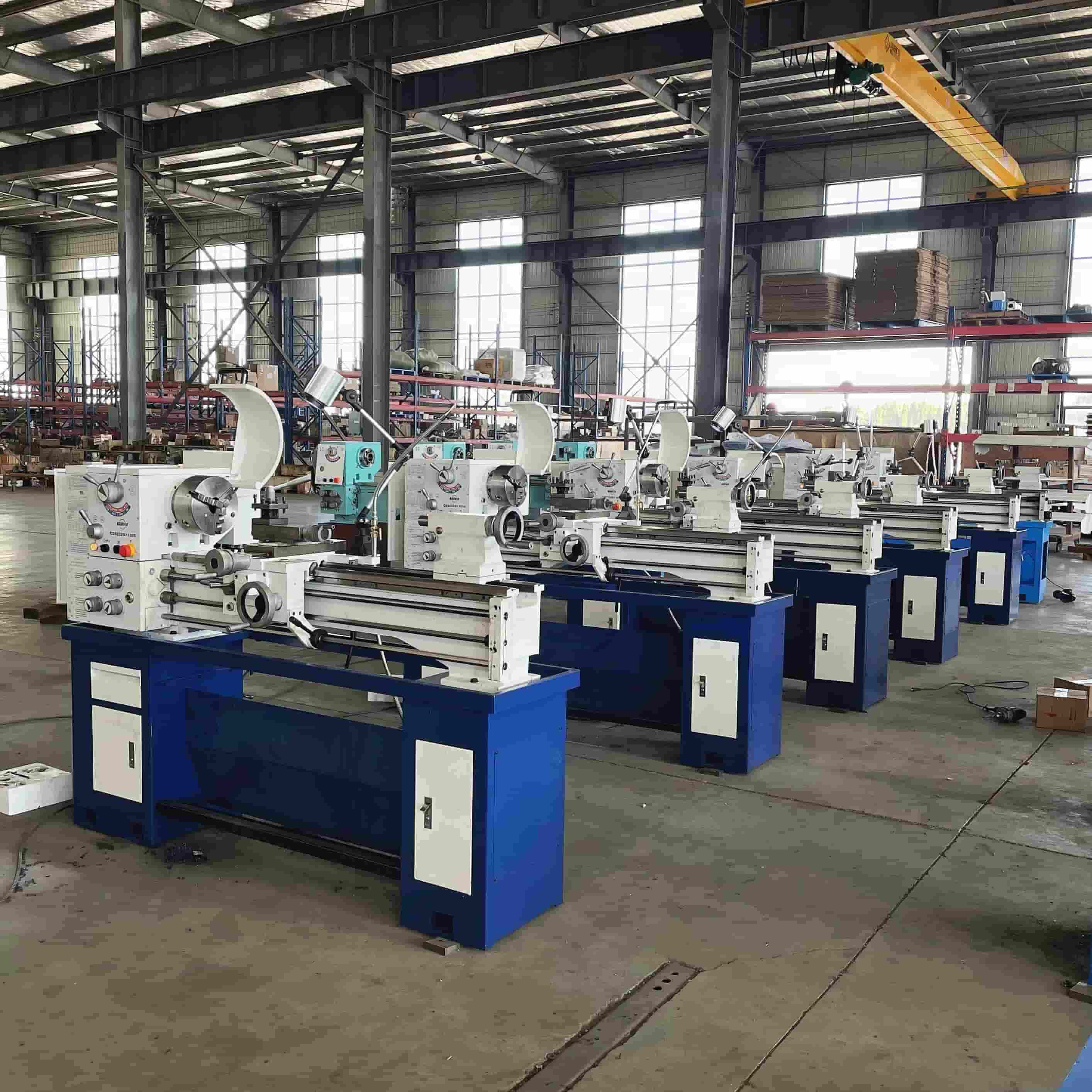
lathe machine

Why Maintenance Matters More on Heavy Lathes

When a 30-ton lathe breaks, the repair crew comes to you—and the clock is ticking. Lost production, expensive service calls, costly parts, scrapped workpieces from accuracy loss, and safety risks all add up fast. Prevention is always cheaper than repair.

Daily Maintenance (15 Minutes)

Start every day with these checks. Clean the machine thoroughly—chips are the enemy. They get into ways, damage precision surfaces, and cause wear. Check all oil reservoirs; low oil means rapid wear. If the automatic lubrication system isn't working, fix it immediately. Inspect the chuck to ensure all jaws move freely and it's tight on the spindle—a loose chuck is dangerous. Warm up the spindle at low speed for 10-15 minutes before heavy cutting. This lets oil reach all bearings and allows the machine to reach thermal stability. Finally, check for any new damage and listen for unusual sounds when moving axes.

Weekly Maintenance (1-2 Hours)

Once a week, inspect all way surfaces for scoring or wear. Check way wipers—they should be tight against the ways; replace if worn. Check spindle runout with a dial indicator and record the reading. Sudden increase means bearing problems. Test tailstock alignment using a test bar—misalignment causes tapered work. Check all bolts and fasteners as heavy cutting loosens things over time. Inspect drive belts for cracks or wear, and check tension. If your lathe has hydraulic systems, check oil level and pressure and look for leaks. Verify coolant concentration and level—bad coolant needs changing.

Monthly Maintenance (Half Day)

Once a month, check gearbox oil for metal particles and change if dirty. Inspect all electrical connections—loose connections overheat and fail. Clean electrical cabinet filters. Measure axis backlash in cross slide and carriage; increasing backlash means wear in lead screws or half nuts. Lubricate all manual grease fittings. Clean and inspect steady rests and follow rests, adjusting if needed. Remove the chuck if possible to inspect spindle nose and mounting surface. Test all safety devices including emergency stops and limit switches.

Yearly Maintenance (1-2 Days)

Once a year, change all oils—hydraulic, gearbox, and way oil. Old oil loses additives and carries wear particles. Replace all filters. Use precision levels and test bars to verify bed level, headstock alignment, tailstock alignment, carriage squareness, and lead screw accuracy. Listen to spindle bearings with a mechanics stethoscope at various speeds—roughness means replacement soon. Check half nuts and lead screw for wear. Adjust all gibs and check for wear steps on ways. Replace any leaking seals. Calibrate DRO or CNC scales if equipped.

Common Problems and Fixes

Chatter during cutting? Check workpiece support, tool condition and overhang, gib adjustments, and spindle bearings. Tapered cuts? Check tailstock alignment, headstock alignment, bed level, and way wear. Rough finish? Check tool condition, spindle bearings, vibration sources, and speed/feed selection. Carriage hard to move? Check way lubrication, gib adjustment, debris under wipers, and rack and pinion wear. Chuck won't hold tight? Clean chuck jaws and scroll, check hydraulic pressure, check for worn jaws, and verify chuck mounting bolts. Unusual noises? Grinding means check lubrication, knocking means check gears or bearings, squealing means check belts, rubbing means check for debris or misalignment.

Special Considerations for Older Machines

Many heavy duty lathes run for 50+ years. Old iron is often more rigid than new machines, so don't replace just because it's old. Watch for wear more frequently and check alignment more often. Add DRO for better accuracy, new chuck for better grip, or coolant system if missing. For very old machines, parts may be hard to find—keep spares if possible and build relationships with machine rebuilders. Know that older machines may not hold today's tight tolerances without extra care, so work within their capability.

Training Your Team

The best maintenance program fails if operators don't follow it. Teach daily checks and explain why each matters. Build maintenance time into the schedule—don't rush to start cutting. Encourage reporting of anything unusual; early detection prevents major failures. Keep written records of every check, problem, and fix—this history helps spot trends. Build a relationship with trusted service providers for annual inspections and major repairs.

Bottom Line

A heavy duty lathe is a long-term asset. With proper care, it will serve your shop for decades. Without care, it will fail early and cost you dearly. A few hours of maintenance per month prevents weeks of downtime and thousands in repairs. A clean, well-lubricated, properly adjusted machine makes better parts and makes them longer. Treat your heavy lathe like the investment it is, and it will give you the production you need—every day, for decades.

Selection of Vertical Lathes and Horizontal Lathes A Comprehensive Guide

Introduction


Selecting between vertical and horizontal lathes represents a critical manufacturing decision that directly impacts machining efficiency, accuracy, and operational flexibility in large part production. Understanding vertical vs horizontal lathe selection criteria requires analyzing multiple technical and operational factors including workpiece characteristics, production volumes, and facility constraints. Proper equipment choice between vertical lathes and vertical turning centers optimizes both capital investment and long-term productivity while ensuring technical capabilities match specific application requirements in large diameter turning operations.


Fundamental Technology Comparison


Vertical lathes utilize a vertically oriented spindle and work table arrangement that provides natural stability and gravitational advantages for large part machining applications. Horizontal lathes feature traditional horizontal spindle configurations that often excel in shaft-type components and automated production environments. The vertical turning centers combine vertical orientation with advanced CNC capabilities offering superior chip evacuation and workpiece accessibility during large diameter turning operations.


Workpiece Characteristics Analysis


Vertical lathes naturally accommodate heavy, large-diameter components where gravity assists in workpiece mounting and stability during large part machining processes. Horizontal lathes better suit elongated shaft-type components that require support between centers during precision turning operations. Understanding your specific workpiece dimensions and weight distribution represents the first step in effective vertical lathe selection guide for large part manufacturing decision-making.


Space Utilization Considerations


Vertical lathes typically require less floor space for equivalent machining capacity due to their compact vertical arrangement and integrated chip management systems. Horizontal lathes may demand longer floor plans to accommodate workpiece length and associated tooling arrangements in large diameter turning applications. Facility height limitations sometimes dictate equipment selection where vertical lathes require sufficient overhead clearance for full operational capability.


Chip Management and Evacuation


Vertical lathes benefit from natural chip fall-away during machining with integrated chip conveyors that efficiently remove debris from large part machining operations. Horizontal lathes require more complex chip management systems to prevent chip accumulation that can interfere with precision turning processes. Modern vertical turning centers incorporate advanced chip processing that significantly reduces maintenance downtime compared to traditional horizontal configurations.


Loading and Unloading Efficiency


Vertical lathes facilitate easier workpiece loading particularly for heavy components that can be positioned directly onto the work table using overhead cranes. Horizontal lathes often require specialized loading equipment for large-diameter components that must be carefully aligned with horizontal spindle axes. Automated vertical turning centers increasingly integrate robotic loading systems that optimize material handling efficiency in high-volume large part manufacturing environments.


Accuracy and Rigidity Factors


Vertical lathes provide inherent structural rigidity through their massive column and base construction that minimizes deflection during large diameter turning operations. Horizontal lathes offer different rigidity characteristics that may better suit certain types of precision turning applications depending on cutting force directions. Modern vertical turning centers incorporate advanced thermal compensation systems that maintain accuracy throughout extended large part machining cycles.


Tooling System Comparisons


Vertical lathes utilize tooling arrangements that provide excellent chip clearance with tools typically mounted on rotating turrets or independent tool posts. Horizontal lathes offer different tooling accessibility that may benefit certain machining approaches in large diameter turning applications. Advanced vertical turning centers feature multiple tool station configurations that optimize tool access and reduce changeover times in complex large part manufacturing.


Cost Analysis Framework


Initial investment costs vary significantly between vertical and horizontal configurations requiring detailed vertical vs horizontal lathe selection criteria analysis based on specific production requirements. Operating costs including energy consumption, tooling, and maintenance differ between vertical lathes and traditional horizontal equipment in large part machining operations. Lifecycle cost calculations should encompass all operational factors when developing a comprehensive vertical lathe selection guide for large part manufacturing strategy.


Column Configuration Decisions


Understanding how to choose between single and double column vertical lathes depends on workpiece dimensions and required machining precision in large diameter turning applications. Single column vertical lathes provide greater accessibility for loading and tool adjustment in certain large part machining scenarios. Double column vertical lathes offer enhanced rigidity and precision particularly for extra-large components requiring exceptional stability during machining operations.


Automation Integration Potential


Vertical lathes increasingly integrate with automated manufacturing systems through standardized interfaces that facilitate connection with material handling and quality control equipment. Horizontal lathes have established automation traditions with well-developed solutions for high-volume production environments. Modern vertical turning centers offer flexible automation pathways that support both current requirements and future expansion in large part manufacturing facilities.


Maintenance and Service Considerations


Vertical lathes typically feature more accessible maintenance points due to their vertical component arrangement and elevated work areas. Horizontal lathes require different maintenance approaches with service access considerations that vary by manufacturer and model. Comprehensive operation manual availability and quality significantly impacts long-term equipment performance for both vertical and horizontal configurations in large diameter turning applications.

Industry-Specific Applications Energy sector manufacturers often prefer vertical lathes for large wind turbine components and power generation equipment requiring exceptional stability during large part machining. Aerospace applications sometimes favor specific configurations based on component geometry and material characteristics in precision turning operations. General manufacturing facilities benefit from detailed vertical lathe selection guide for large part manufacturing analysis that matches equipment capabilities with specific production requirements.


Future Technology Development


Vertical turning centers continue advancing in automation and precision capabilities with innovations that enhance their competitive position in large diameter turning markets. Horizontal lathe technology also evolves with improvements that maintain their relevance in specific manufacturing niches. Emerging hybrid technologies may blur traditional distinctions between vertical and horizontal approaches in future large part machining equipment.


Global Manufacturing Standards


International manufacturers must consider regional equipment preferences when comparing vertical turning centers vs horizontal lathes for global production facilities. Technical standards and certification requirements sometimes favor specific configurations in regulated industries requiring documented large part machining processes. Local service and support availability significantly influences equipment selection decisions for vertical lathes and related large diameter turning equipment worldwide.


Implementation Strategy Development


Phased implementation approaches optimize the transition between different lathe configurations in large part manufacturing operations. Comprehensive operator training programs ensure maximum utilization of selected equipment whether vertical lathes or horizontal alternatives. Performance monitoring and continuous improvement processes refine equipment selection criteria based on actual production experience in large diameter turning applications.


Conclusion and Strategic Recommendations


Informed equipment selection requires balanced consideration of multiple technical and operational factors when comparing vertical turning centers vs horizontal lathes. Specific application requirements should drive selection decisions rather than generalized preferences in large part machining equipment choices. Continuous technology evaluation ensures manufacturing facilities maintain optimal equipment configurations as both vertical and horizontal lathe technologies continue evolving in capability and efficiency.