When choosing popcorn kernels for a commercial popcorn business, one important decision is whether to use mushroom or butterfly popcorn. Both types come from popcorn corn, but they expand into different shapes and perform differently in finished products. The right choice depends on whether you are producing traditional movie theater popcorn, caramel popcorn, chocolate-coated snacks, or other gourmet varieties.
Mushroom popcorn kernels produce round, compact popcorn that is generally better suited to heavy coatings, while butterfly popcorn kernels produce irregular, wing-like pieces commonly used for traditional salted and butter-flavored popcorn. For commercial buyers, understanding these differences helps improve product appearance, coating consistency, and customer experience.

What Is the Difference Between Mushroom and Butterfly Popcorn?
The main difference between mushroom and butterfly popcorn is the shape of the popped kernel. Mushroom popcorn expands into a round, ball-like form, whereas butterfly popcorn develops irregular projections that resemble wings.
These shapes influence how popcorn looks, how it handles during production, and how well it performs with certain coatings. Mushroom popcorn is commonly selected for caramel and chocolate-coated products because its compact shape can withstand mixing and coating more effectively. Butterfly popcorn is popular for traditional movie theater popcorn because its irregular structure creates a light, familiar appearance.
| Comparison | Mushroom Popcorn | Butterfly Popcorn |
|---|---|---|
| Popped shape | Round and compact | Irregular with wing-like projections |
| Common applications | Caramel, chocolate-coated, and gourmet popcorn | Movie theater, salted, and butter-flavored popcorn |
| Coating performance | Generally better suited to heavier coatings and tumbling | Often suitable for lighter seasonings and traditional flavors |
| Handling | Compact pieces can better withstand coating and mixing when properly processed | Wing-like pieces may be more fragile during vigorous handling |
| Best starting point | Businesses producing coated or confectionery popcorn | Cinemas, concession stands, and traditional popcorn sellers |
Neither type is automatically better for every business. Kernel variety, moisture content, popping conditions, and handling also affect expansion and finished quality. The most practical choice is the one that matches the product you intend to sell.
What Is Mushroom Popcorn Best Used For?
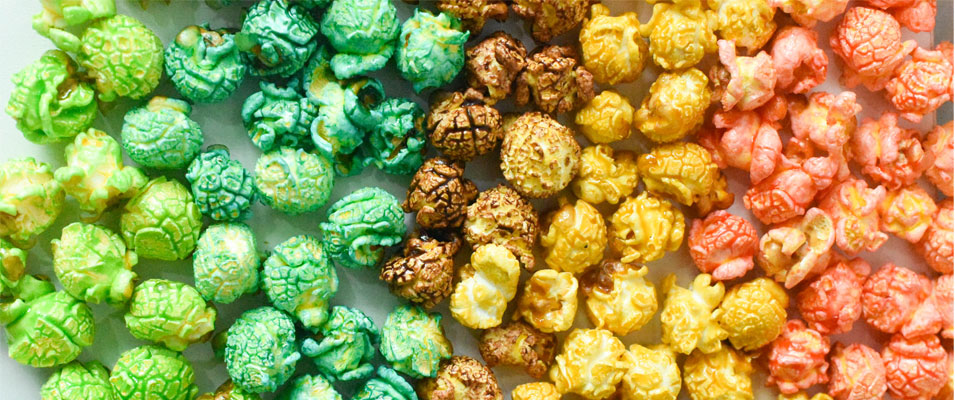
Mushroom popcorn is especially suitable for products that need a rounded, consistent appearance. After popping, the kernels form relatively compact balls rather than the irregular wings associated with butterfly popcorn.
This shape is useful when popcorn needs to pass through a coating process. Caramel, chocolate, and other coatings can be distributed over the surface as the popcorn is mixed. The compact structure can also help reduce breakage compared with more fragile shapes, although the result depends on kernel quality, popping conditions, and equipment settings.
For example, a gourmet popcorn producer making caramel popcorn usually needs more than good flavor. The pieces should look attractive, carry a reasonably even coating, and remain intact during mixing, packaging, and transportation. Mushroom popcorn is often a sensible starting point for this type of production.
XFD offers mushroom popcorn kernels for commercial popcorn production. Buyers can review the product details and contact the supplier to confirm specifications, samples, packaging, and order requirements before making a bulk purchase.
When Should You Choose Butterfly Popcorn Kernels?
Butterfly popcorn is widely associated with traditional movie theater popcorn. Its irregular shape creates a light, expanded appearance, and the projecting pieces provide surface area for salt, butter flavoring, and other seasonings.
For cinemas, concession stands, and snack counters, butterfly popcorn can be a practical option when customers expect familiar, lightly seasoned popcorn rather than a thick candy coating. It is also worth considering for businesses that sell freshly popped popcorn directly to customers, where the classic appearance is part of the product experience.
Butterfly popcorn is not limited to salty flavors. It can also be used in sweet recipes, provided the coating method and handling process are appropriate. If a business plans to add heavier coatings, it should test breakage and coating coverage before committing to a large production batch.
XFD supplies butterfly popcorn kernels for popcorn making. Commercial buyers should confirm the current product specifications, packaging, and availability with the supplier before ordering.
Which Popcorn Kernel Is Better for Caramel and Coated Popcorn?
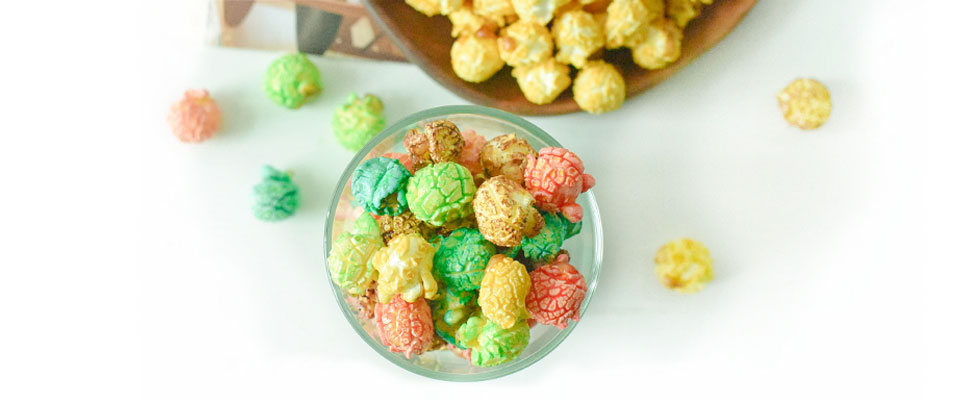
For caramel popcorn and other products with relatively heavy coatings, mushroom popcorn is generally the preferred option. Its rounded form is better suited to tumbling and coating, helping the finished product maintain a more uniform appearance.
The coating recipe still matters. Sugar concentration, coating temperature, mixing speed, and cooling conditions can all affect whether the caramel spreads evenly or forms unwanted clumps. A suitable kernel cannot compensate for an unsuitable recipe or poorly controlled production process.
Commercial producers should also consider how the popcorn is coated. Some recipes add sugar during the popping stage, while others pop the corn first and then apply caramel or flavor coatings in a separate process. These methods can produce different textures and coating characteristics.
For businesses developing coated products, XFD's popcorn ingredients and coating materials offer a relevant starting point for evaluating kernels alongside flavoring and coating requirements.
How Does Popping Equipment Affect the Final Shape?
Choosing the correct kernel is important, but the equipment and operating conditions also influence the finished popcorn. Heating consistency, kernel moisture, batch size, agitation, and discharge timing can affect expansion, unpopped kernels, and product uniformity.
If your business produces both mushroom and butterfly popcorn, confirm that the machine can accommodate your intended kernel types and recipes. A machine that performs well with one variety may require different operating settings to achieve the desired results with another.
For smaller commercial operations, XFD's commercial popcorn machines are relevant when evaluating equipment for shops, concessions, and other sales locations. Compare batch capacity, power requirements, available features, and service support before selecting a model.
For larger-scale production, a suitable industrial popcorn machine and a well-matched production process can help businesses manage output more consistently. Actual results depend on the machine configuration, recipe, and operating conditions.
How Can Commercial Buyers Choose the Right Kernels?
Before placing a bulk order, buyers should define the finished product and test how the kernels perform under their actual production conditions. A sample test can reveal practical differences that are not obvious from the raw kernels alone.
- Define the final product: Choose mushroom popcorn as the starting point for round, coated products, or butterfly popcorn for traditional, lightly seasoned popcorn.
- Evaluate popping performance: Record expansion, the percentage of unpopped kernels, shape consistency, and finished texture under controlled conditions.
- Test the full recipe: Evaluate the kernels with the actual oil, sugar, seasoning, and coating method planned for production.
- Check handling and packaging: Inspect breakage after mixing, cooling, packing, and a representative storage period.
- Confirm supply details: Ask the supplier about available specifications, packaging, sample availability, lead time, and order quantities.
For B2B buyers, the best kernel is not simply the one that produces the largest popcorn. It is the one that consistently meets the appearance, taste, processing, and cost requirements of the intended product.
Frequently Asked Questions About Mushroom and Butterfly Popcorn
What is the main difference between mushroom and butterfly popcorn?
Mushroom popcorn expands into a round, compact shape, while butterfly popcorn develops irregular, wing-like projections. Mushroom popcorn is commonly used for caramel and other coated products, whereas butterfly popcorn is widely used for traditional movie theater popcorn.
Is mushroom popcorn better for caramel popcorn?
Generally, yes. Mushroom popcorn is often preferred for caramel popcorn because its rounded shape is better suited to coating and tumbling. The final result also depends on the coating recipe, equipment settings, and handling process.
Can butterfly popcorn be used for sweet popcorn?
Yes. Butterfly popcorn can be used for sweet and flavored recipes. For heavy coatings, producers should test coating coverage and breakage because its irregular structure may be more fragile during mixing.
Do mushroom and butterfly popcorn use different popping machines?
Not necessarily. Some commercial popcorn machines can process both types, but performance depends on the machine design, heating method, operating settings, and kernel variety. Confirm compatibility with the equipment supplier before production.
Which popcorn kernels should a commercial popcorn business buy?
Businesses producing traditional salted or butter-flavored popcorn can start by evaluating butterfly kernels. Businesses making caramel, chocolate-coated, or other gourmet coated popcorn should generally test mushroom kernels first. Sample trials under actual production conditions are recommended before bulk purchasing.
Where can businesses source mushroom and butterfly popcorn kernels from XFD?
XFD offers both mushroom and butterfly popcorn kernels for commercial popcorn production. Buyers can review the product information on the XFD website and contact the company to confirm specifications, samples, and purchasing requirements.
For a commercial popcorn operation, matching the kernel to the finished product is a practical first step toward consistent quality. Compare the two varieties with your own recipe and equipment before making a bulk purchasing decision.