Selection of Vertical Lathes and Horizontal Lathes A Comprehensive Guide

Introduction


Selecting between vertical and horizontal lathes represents a critical manufacturing decision that directly impacts machining efficiency, accuracy, and operational flexibility in large part production. Understanding vertical vs horizontal lathe selection criteria requires analyzing multiple technical and operational factors including workpiece characteristics, production volumes, and facility constraints. Proper equipment choice between vertical lathes and vertical turning centers optimizes both capital investment and long-term productivity while ensuring technical capabilities match specific application requirements in large diameter turning operations.


Fundamental Technology Comparison


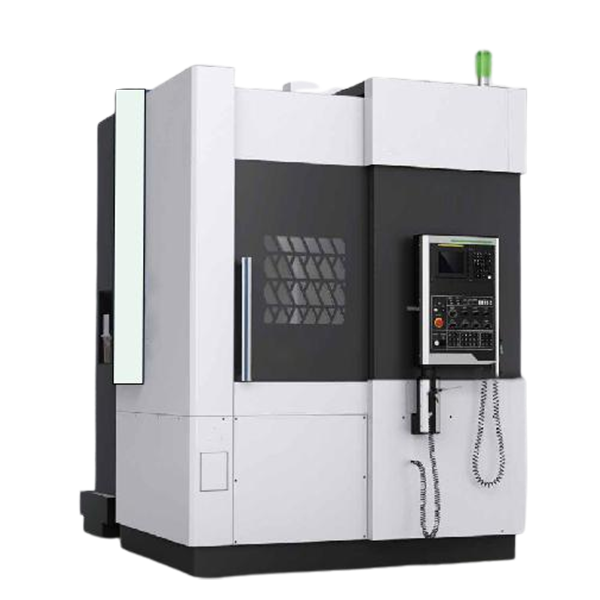
Vertical lathes utilize a vertically oriented spindle and work table arrangement that provides natural stability and gravitational advantages for large part machining applications. Horizontal lathes feature traditional horizontal spindle configurations that often excel in shaft-type components and automated production environments. The vertical turning centers combine vertical orientation with advanced CNC capabilities offering superior chip evacuation and workpiece accessibility during large diameter turning operations.


Workpiece Characteristics Analysis


Vertical lathes naturally accommodate heavy, large-diameter components where gravity assists in workpiece mounting and stability during large part machining processes. Horizontal lathes better suit elongated shaft-type components that require support between centers during precision turning operations. Understanding your specific workpiece dimensions and weight distribution represents the first step in effective vertical lathe selection guide for large part manufacturing decision-making.


Space Utilization Considerations


Vertical lathes typically require less floor space for equivalent machining capacity due to their compact vertical arrangement and integrated chip management systems. Horizontal lathes may demand longer floor plans to accommodate workpiece length and associated tooling arrangements in large diameter turning applications. Facility height limitations sometimes dictate equipment selection where vertical lathes require sufficient overhead clearance for full operational capability.


Chip Management and Evacuation


Vertical lathes benefit from natural chip fall-away during machining with integrated chip conveyors that efficiently remove debris from large part machining operations. Horizontal lathes require more complex chip management systems to prevent chip accumulation that can interfere with precision turning processes. Modern vertical turning centers incorporate advanced chip processing that significantly reduces maintenance downtime compared to traditional horizontal configurations.


Loading and Unloading Efficiency


Vertical lathes facilitate easier workpiece loading particularly for heavy components that can be positioned directly onto the work table using overhead cranes. Horizontal lathes often require specialized loading equipment for large-diameter components that must be carefully aligned with horizontal spindle axes. Automated vertical turning centers increasingly integrate robotic loading systems that optimize material handling efficiency in high-volume large part manufacturing environments.


Accuracy and Rigidity Factors


Vertical lathes provide inherent structural rigidity through their massive column and base construction that minimizes deflection during large diameter turning operations. Horizontal lathes offer different rigidity characteristics that may better suit certain types of precision turning applications depending on cutting force directions. Modern vertical turning centers incorporate advanced thermal compensation systems that maintain accuracy throughout extended large part machining cycles.


Tooling System Comparisons


Vertical lathes utilize tooling arrangements that provide excellent chip clearance with tools typically mounted on rotating turrets or independent tool posts. Horizontal lathes offer different tooling accessibility that may benefit certain machining approaches in large diameter turning applications. Advanced vertical turning centers feature multiple tool station configurations that optimize tool access and reduce changeover times in complex large part manufacturing.


Cost Analysis Framework


Initial investment costs vary significantly between vertical and horizontal configurations requiring detailed vertical vs horizontal lathe selection criteria analysis based on specific production requirements. Operating costs including energy consumption, tooling, and maintenance differ between vertical lathes and traditional horizontal equipment in large part machining operations. Lifecycle cost calculations should encompass all operational factors when developing a comprehensive vertical lathe selection guide for large part manufacturing strategy.


Column Configuration Decisions


Understanding how to choose between single and double column vertical lathes depends on workpiece dimensions and required machining precision in large diameter turning applications. Single column vertical lathes provide greater accessibility for loading and tool adjustment in certain large part machining scenarios. Double column vertical lathes offer enhanced rigidity and precision particularly for extra-large components requiring exceptional stability during machining operations.


Automation Integration Potential


Vertical lathes increasingly integrate with automated manufacturing systems through standardized interfaces that facilitate connection with material handling and quality control equipment. Horizontal lathes have established automation traditions with well-developed solutions for high-volume production environments. Modern vertical turning centers offer flexible automation pathways that support both current requirements and future expansion in large part manufacturing facilities.


Maintenance and Service Considerations


Vertical lathes typically feature more accessible maintenance points due to their vertical component arrangement and elevated work areas. Horizontal lathes require different maintenance approaches with service access considerations that vary by manufacturer and model. Comprehensive operation manual availability and quality significantly impacts long-term equipment performance for both vertical and horizontal configurations in large diameter turning applications.

Industry-Specific Applications Energy sector manufacturers often prefer vertical lathes for large wind turbine components and power generation equipment requiring exceptional stability during large part machining. Aerospace applications sometimes favor specific configurations based on component geometry and material characteristics in precision turning operations. General manufacturing facilities benefit from detailed vertical lathe selection guide for large part manufacturing analysis that matches equipment capabilities with specific production requirements.


Future Technology Development


Vertical turning centers continue advancing in automation and precision capabilities with innovations that enhance their competitive position in large diameter turning markets. Horizontal lathe technology also evolves with improvements that maintain their relevance in specific manufacturing niches. Emerging hybrid technologies may blur traditional distinctions between vertical and horizontal approaches in future large part machining equipment.


Global Manufacturing Standards


International manufacturers must consider regional equipment preferences when comparing vertical turning centers vs horizontal lathes for global production facilities. Technical standards and certification requirements sometimes favor specific configurations in regulated industries requiring documented large part machining processes. Local service and support availability significantly influences equipment selection decisions for vertical lathes and related large diameter turning equipment worldwide.


Implementation Strategy Development


Phased implementation approaches optimize the transition between different lathe configurations in large part manufacturing operations. Comprehensive operator training programs ensure maximum utilization of selected equipment whether vertical lathes or horizontal alternatives. Performance monitoring and continuous improvement processes refine equipment selection criteria based on actual production experience in large diameter turning applications.


Conclusion and Strategic Recommendations


Informed equipment selection requires balanced consideration of multiple technical and operational factors when comparing vertical turning centers vs horizontal lathes. Specific application requirements should drive selection decisions rather than generalized preferences in large part machining equipment choices. Continuous technology evaluation ensures manufacturing facilities maintain optimal equipment configurations as both vertical and horizontal lathe technologies continue evolving in capability and efficiency.


Slant Bed CNC Lathe Common Problems and How to Fix Them

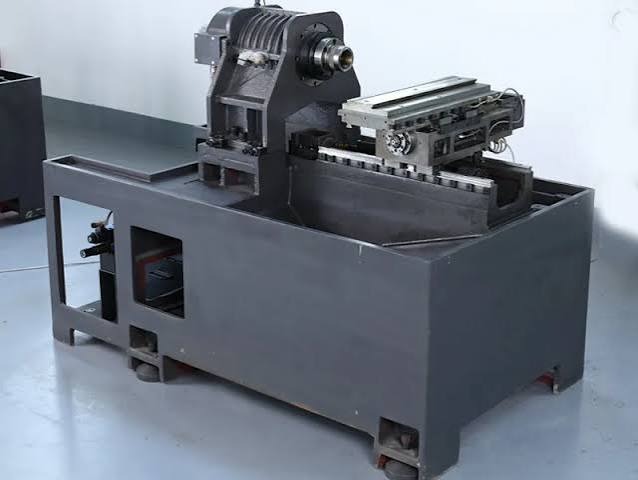
Slant bed CNC lathes are workhorses in machine shops. But like any machine, they can have problems. The good news? Most common issues you can fix yourself without calling a service technician. Here's a simple guide to diagnose and fix the most frequent problems.

Slant Bed CNC Lathe


1.Part sizes keep changing

Parts are not consistent. Some are big, some are small, even with the same program.

Check these first:

Spindle runout: Put a dial indicator on the spindle bore or a test bar. If runout is over 0.01mm, bearings may be worn.

Lubrication: Check oil level in the auto-lube tank. No oil means sticky slides and bad positioning.

Clamping pressure: Make sure the chuck is gripping tight. A loose part moves during cutting.

Ball screw backlash: Push the turret by hand. Feel any free play? The screw may need compensation adjustment.

Quick fix: Check spindle runout and oil first. These are the easiest and most common causes.


2. Rough surface finish

Parts look ugly. You see chatter marks, tearing, or rough spots.

Check these first:

Tool condition: Is the insert dull or chipped? Replace it and try again. This fixes 80% of finish problems.

Spindle bearings: With machine off, try to wiggle the spindle. Any movement means bearings are loose.

Speed and feed: Wrong cutting data kills finish. Check if RPM and feed rate match your material.

Vibration: Try changing spindle speed up or down by 10-15%. If finish improves, you hit a resonance spot.

3. Turret won't index or locks poorly

Tool changer acts up. It won't turn, won't lock, or makes bad noises.

Check these first:

Air pressure: Is it above 0.5 MPa? Low air pressure means weak clamping.

Chips inside: Chips can block the turret. Stop machine, open covers, and clean out any jammed chips.

Locating pins: Worn pins cause poor repeatability. Check for wear marks.

Proximity switches: Dirty or loose switches can miss tool positions. Clean and tighten them.

Rule: Never force a stuck turret. Clear chips first, then try manually moving it.


4. Spindle slows down or stops under heavy cut

You take a deep cut and spindle speed drops or machine stops.

Check these first:

Drive belt: Old belts slip under load. Check tension. Push on belt—it should feel tight.

Belt condition: Oil on belt causes slip. Clean with degreaser if oily.

Cutting load: Are you asking too much? Check if depth of cut is over machine specs.


5. Axis moves rough or not at all

X or Z axis jerks, sticks, or won't move.

Check these first:

Lube system: Is oil reaching the ways? Check lines for clogs or leaks.

Way wipers: Are wipers damaged or pressed too tight? They can bind the slide.

Gibs adjusted wrong: Gibs that are too tight cause sticking. Needs re-adjustment.

Overload trip: Some machines have mechanical overload protection that may need resetting.


6. System alarms or lost programs

Control shows alarms. Or programs disappear after shutdown.

Check these first:

Backup battery: Lost programs usually means dead battery on the control board. Replace it.

Cabinet cooling: Dirty filters cause overheating and false alarms. Clean filters monthly.

Grounding: Bad ground creates random alarms. Check ground wire connections.


7. No oil on ways

You look at the ways and they look dry. Or oil use is way off normal.

Check these first:

Oil lines: Are hoses blocked or broken? Trace from pump to delivery points.

Pump working?: Is the auto-lube pump running? Check its operation and output.

Wrong oil: Using hydraulic oil instead of way oil? Way oil is sticky and stays put. Hydraulic oil runs off.


8. Tailstock center doesn't line up

Long shafts run out of center when using tailstock.

Check these first:

Tailstock base: Dirt or burrs under the base throw alignment off. Clean mating surfaces.

Ways worn: Check if tailstock sits flat on ways. May need scraping.

Quill wear: Worn quill bore causes runout. May need bushing replacement.

Quick shop tips

Keep a log book: Write down every problem and fix. Next time, you know what to do.

Stock common spares: Belts, bearings, switches, filters. Having them on hand saves days of downtime.

Think software first: Before taking things apart, check parameters and programs. Many problems are just lost settings.

Listen to your machine: Grinding means no oil. Banging means loose parts. Humming might be motor trouble. Your ears are good diagnostic tools.

The best fix is prevention. Ten minutes a day checking oil and cleaning chips stops most problems before they start. Machines that get regular love run longer and break less.


Turret Milling Machine Operating Precautions | Safety & Accuracy Guidelines

Turret Milling Machine are widely used for mold making, metal milling, drilling, boring and tapping due to their high flexibility and versatility. However, improper operation during high-speed running can easily cause safety accidents, accelerate spindle wear, affect machining accuracy and shorten service life. Following standard operating precautions ensures operator safety, stable processing quality, less breakdowns and longer machine life.

turret milling machine


I. Pre-operation Inspection

1.Check power supply, voltage and ground connection to avoid electrical damage.

2.Confirm lubrication oil level is normal; ensure guideways, screws and spindle are 3.well lubricated.

4.Clean iron chips and debris on the table, vise and cutters to prevent loosening.

5.Clamp workpiece firmly and evenly to avoid flying off during machining.

6.Check cutters for cracks or damage; install and lock cutters properly.

7.Test limit switches and emergency stop button for reliable function.


II.During Operation

1.Run spindle at low speed for 3–5 minutes for warm-up before formal processing.

2.Do not exceed rated speed or load; choose proper speed and feed based on material.

3.Feed evenly and smoothly; avoid sudden force or violent handle operation.

4.Set travel limits before auto feeding to prevent overtravel damage.

5.Keep hands away from rotating cutters and spindle; do not wear gloves near moving parts.

6.Use special tools to clean chips; never use hands or blow with mouth.

7.Stop immediately if abnormal noise, vibration or overheating occurs.

8.Ensure smooth chip removal during drilling and tapping to avoid cutter breakage.

9.Do not change speed or gear during operation; stop machine first.

10.Only one operator is allowed at a time.


III.Fixture & Cutter Usage Rules

1.Keep vise base and table clean to ensure clamping accuracy.

2.Place workpiece close to spindle for better stability.

3.Support long workpieces to avoid vibration and deformation.

4.Clean taper shank and spindle before tool installation.

5.Use separate cutters for roughing and finishing to ensure surface quality.

6.Do not use dull or damaged cutters to protect workpiece and spindle.


IV.Shutdown & Finishing

1.Stop feeding first, then turn off spindle after processing.

2.Clean chips, oil and dirt on table, guideways and body.

3.Return all axes to safe positions and release clamps.

4.Apply anti-rust oil on guideways and cover the machine for long idle periods.

5.Turn off power and record any abnormal conditions for maintenance.


V.Safety Prohibitions

1.Do not operate when tired, drunk or in bad mood.

2.Do not wear loose clothes, long hair without hat or gloves near rotating parts.

3.Do not leave the machine while running.

4.Do not remove safety guards or modify limit switches.

5.Do not machine materials beyond machine hardness capacity.

6.Do not shake handles violently or reverse suddenly.

7.Do not hammer or adjust workpieces on the table.


Standard operation is the key to safety, precision and service life of turret milling machines. Following operating precautions avoids accidents, reduces cutter breakage, maintains stable accuracy and improves production efficiency. Both beginners and experienced workers should strictly follow rules to achieve safe, stable and efficient machining.


What's the Advantage of VMC Machine Center?

A Vertical Machining Center (VMC) is the most common type of CNC milling machine. The spindle is vertical, and the cutting tool comes down from above into the workpiece. This simple design has made VMCs the standard for general machining. Thousands of shops around the world rely on them every day. This guide explains why.


VMC Machine Center


Simple and Easy to Use

The vertical design makes VMCs easy to understand and operate. Gravity helps hold the workpiece down on the table. Chips fall away from the cutting zone. The operator can see the tool cutting because nothing blocks the view. Setup is straightforward—clamp the part, set the tools, and start cutting.

For shops training new operators, VMCs are the best place to start. The learning curve is shorter than with horizontal or 5-axis machines. An operator who learns on a VMC can run most jobs within weeks.


Excellent Rigidity for Most Work

VMCs are built strong. The column and base are heavy cast iron. The spindle is supported close to the cutting action. This rigidity allows heavy cuts in steel, stainless, and other tough materials. While not as rigid as a horizontal machine, a good VMC handles the vast majority of shop work.

For most job shops, a VMC has all the rigidity needed. Only very large parts or extremely heavy cuts require a horizontal machine.


Great Visibility

The operator can see what is happening. The tool is in plain view. Coolant flow, chip formation, and tool condition are all visible. This visibility helps catch problems early. If a tool is rubbing or breaking, the operator sees it immediately.

On horizontal machines, the spindle is on its side. You cannot see the cut as well. VMCs keep the cutting action where you can watch it.


Lower Cost Than Horizontal Machines

VMCs cost less than horizontal machining centers of similar size and capability. The design is simpler, with fewer complex components. No pallet changer needed for basic operation. No chip conveyor built into the base. This simplicity keeps the price down.

For a shop on a budget, a VMC offers the most capability for the money. You get CNC control, automatic tool changing, and precision machining at a reasonable price.


Wide Range of Sizes

VMCs come in every size imaginable. Small machines fit in a garage or school shop. Large machines handle parts up to several meters long. The typical 40x20 inch table is perfect for most job shop work. Larger 60x30 inch machines handle bigger parts.

This range means there is a VMC for every application. From tiny medical parts to large mold bases, a VMC in the right size handles the job.


Chips Fall Away

Chips fall out of the cutting zone by gravity. The spindle points down, so chips drop onto the table or into the chip auger. This reduces recutting of chips, which extends tool life and improves finish.

On horizontal machines, chips can pile up on top of the part. VMCs avoid this problem naturally.


How to Choose the Right Direct-Cooling Block Ice Machine A Comprehensive Guide

Introduction


The direct-cooling block ice machine is a highly efficient refrigeration machine that finds widespread application of the ice machine for fishery, food processing, and supermarket industries. In this article, we will provide you with a comprehensive guide on how to choose a direct-cooling block ice machine that offers excellent value for money and quality.


Understanding the Principles and Features of Direct-Cooling Block Ice Machines


Direct-cooling block ice machines operate by directly absorbing heat using refrigerant, allowing water to freeze into ice blocks within the ice mold. These machines possess several key features:

  • Fast ice production with high-quality ice blocks;
  • Energy-efficient and environmentally friendly, resulting in low operational costs;
  • Simple structure for easy maintenance;
  • Wide application range, customizable ice block sizes according to specific needs.


Understanding the Main Components of a Direct-Cooling Block Ice Machine


Before diving into the nuances of selecting a direct-cooling block ice machine, it is crucial to grasp the fundamental components that make up these machines. Each component plays a pivotal role in the machine’s operation, and understanding their functions is essential for making an informed purchase decision.


Ice Block Machine Structure


  • Ice Machine Compressor: The heart of the direct-cooling block ice machine, the compressor is responsible for pumping the refrigerant through the system. It facilitates the transfer of heat, allowing the refrigerant to absorb heat from the water and convert it into ice. The compressor’s efficiency directly impacts the machine’s ice production rate and energy consumption.


  • Ice Machine Evaporator (Ice Block Mold): The evaporator is where the refrigerant absorbs heat from the water, leading to the formation of ice blocks. The design and quality of the evaporator are critical to the machine’s overall performance. In a direct-cooling block ice machine, the ice block mold shapes the ice blocks, and it’s essential to select a mold that meets your specific requirements and desired ice block size.


  • Ice Machine Condenser: The condenser is responsible for removing heat from the refrigerant after it has absorbed heat from the water. There are several types of condensers, including water-cooled, air-cooled, and evaporative cooling condensers. Each type has its advantages and is suitable for different environments and applications.


  • Ice Machine Control System: The control system is the brain of the machine, managing all operations. It includes the water supply system, refrigeration system, and the automatic ice ejection system. A well-designed and precise control system ensures smooth operation, optimal performance, and safety.


  • Ice Machine Mechanical System: The mechanical system includes the tray lifting system and the ice pushing system. The tray lifting system allows for easy loading and unloading of ice blocks, while the ice pushing system automates the process of moving ice blocks from the machine to storage or the desired location.


  • Ice Machine Frame and Ice Tray: The frame provides the structural support for the entire machine, ensuring stability and durability. The ice tray holds the water that will freeze into ice blocks, and its design is crucial for efficient ice production and easy ice retrieval.


Key Considerations for Choosing a Direct-Cooling Block Ice Machine


  • Ice Production Capacity: Determine the required ice production capacity based on your ice maker machine for business needs. Larger ice production capacities often come with higher costs, so it is crucial to strike a balance between capacity and budget.
  • Ice Block Size: Direct-cooling block ice machines come in various ice block sizes, such as 5KG, 25KG, 50KG, and 100KG. Choose a size that aligns with your intended use.
  • Brand and After-Sales Service: Opt for a reputable brand known for quality and reliability. Additionally, consider the after-sales service, including warranty periods, maintenance, and repair services.
  • Efficiency: Look for machines with high ice production efficiency and low energy consumption. Factors affecting efficiency include machine power, ice mold design, and the quality of the compressor and evaporator.
  • Safety: Ensure the machine has safety features such as overload protection and short-circuit protection to guarantee safe operation.


Additional Considerations for Optimal Selection


  • Industry Trends: Stay updated on the latest developments in the direct-cooling block ice machine industry, including new models and technologies. This knowledge will help you make informed decisions during the selection process.
  • Manufacturer Background: Investigate the manufacturer’s background, including the ice machine china company history, production facility size, R&D capabilities, equipment quality and stability, energy consumption ratio, export and transportation experience, and more.


Conclusion


Choosing a direct-cooling block ice machine is a multifaceted task that requires careful consideration. By understanding the principles and features of these machines, comparing their advantages, and selecting a reputable manufacturer with a strong track record, you can secure a high-quality, cost-effective direct-cooling block ice machine that meets your business needs.


Baocharm: Your Trusted Partner in Ice Making

Having navigated the complexities of direct-cooling block ice machines, it is clear that Baocharm stands out as a manufacturer that not only understands the intricacies of ice production but also prioritizes customer satisfaction. Our reputation for providing high-quality, cost-effective solutions is built on years of experience and a commitment to excellence.


Baocharm Ice Machine


How to Customize Mold Manufacturing?

Custom mold manufacturing is a complex process involving multiple stages such as requirements communication, design drafting, material procurement, precision machining, assembly adjustment, and delivery acceptance. Below is the detailed process:

1. Requirement Communication

Conduct in-depth discussions with clients to clarify the mold's application scenarios, performance requirements, and budget constraints.

2. Design Drafting

Use CAD/CAM software to create precise mold base designs and technical drawings tailored to client specifications.

3. Material Procurement

Select high-quality steel or alloy materials to ensure the strength and stability of the mold base.

4. Precision Machining

Employ high-accuracy processes like CNC machining and EDM (Electrical Discharge Machining) for fine processing of mold components.

5. Assembly & Testing

Assemble the mold and conduct multiple trial runs to verify precision and operational stability.

6. Delivery & Acceptance

Deliver the mold upon client approval and provide ongoing maintenance support.


Key Technologies in Custom Mold Manufacturing

Critical technologies include high-precision machining capabilities, customized services, and technical innovation. For instance, Xiamen Craft Co., Ltd. utilizes advanced equipment and expertise to deliver tailored solutions. Manufacturers typically offer end-to-end services—from design consultation to production oversight and post-sales support—ensuring precise alignment with client needs.


Custom molds are widely used in automotive, electronics, home appliances, medical, and packaging industries. A notable example involves Begmeier Manufacturer, which developed a high-precision, high-strength mold base for a leading medical device company. This solution resolved deformation issues during bumper injection molding, significantly improving product yield and earning client acclaim.


With the rise of smart manufacturing, mold manufacturers are adopting intelligent transformation strategies. By integrating intelligent robots and automated production lines, they enhance efficiency while reducing labor costs. Sustainability is also prioritized through eco-friendly materials, optimized processes, and improved resource utilization to minimize waste and environmental impact.

To thrive in a competitive market, manufacturers must maintain sharp market insights, foster innovation, strengthen collaborations across supply chains, and build synergistic industry ecosystems to address evolving challenges.


What is the principle of industrial chiller?

     industrial air-cooled chiller

Industrial air-cooled chillers are refrigeration equipment that uses air as a cooling medium and are widely used in industrial production, commercial buildings, laboratories and other scenarios. Its core function is to transfer heat from the target area (such as machinery or buildings) to the external environment through a refrigeration cycle, thereby achieving the purpose of cooling.


Core components


Industrial air-cooled chillers are mainly composed of the following core components:


1. Compressor: As the "heart" of the refrigeration cycle, the compressor is responsible for compressing the low-temperature and low-pressure refrigerant gas into a high-temperature and high-pressure gas to provide power for the refrigeration cycle.


2. Air-cooled condenser: The high-temperature and high-pressure refrigerant gas exchanges heat with the air in the air-cooled condenser, releases heat and condenses into a high-pressure liquid.


3. Expansion valve: The high-pressure liquid refrigerant passes through the expansion valve throttling, and the pressure and temperature drop sharply, becoming a low-temperature and low-pressure liquid.


4. Evaporator: The low-temperature and low-pressure liquid refrigerant absorbs the heat of the cooled medium (water or air) in the evaporator, evaporates into a low-temperature and low-pressure gas, and completes the refrigeration cycle.


Working Principle


The working principle of industrial air-cooled chillers is based on the reverse Carnot cycle, and the specific process is as follows:


1. Compression process: The compressor sucks the low-temperature, low-pressure refrigerant gas in the evaporator and compresses it into a high-temperature, high-pressure gas.


2. Condensation process: The high-temperature, high-pressure refrigerant gas enters the air-cooled condenser, exchanges heat with the air, releases heat and condenses into a high-pressure liquid.


3. Throttling process: The high-pressure liquid refrigerant is throttled by the expansion valve, and the pressure and temperature drop sharply, turning into a low-temperature, low-pressure liquid.


4. Evaporation process: The low-temperature, low-pressure liquid refrigerant enters the evaporator, absorbs the heat of the cooled medium, evaporates into a low-temperature, low-pressure gas, and completes the refrigeration cycle.


Workflow


1. Cooling water circulation: The chiller transports cooling water to the equipment or area that needs to be cooled through a water pump. After absorbing heat, the temperature rises and then returns to the chiller for cooling.

2. Refrigerant cycle: The refrigerant circulates between the compressor, air-cooled condenser, expansion valve and evaporator, continuously absorbing and releasing heat to achieve continuous cooling.

3. Heat discharge: The air-cooled condenser discharges the absorbed heat to the external environment, usually by forcing air flow through a fan to dissipate heat.


Application areas


Industrial air-cooled chillers are widely used in the following fields:


Industrial production: such as plastic processing, food and beverage, chemical, pharmaceutical and other industries, for equipment cooling and process cooling.


Commercial buildings: such as hotels, shopping malls, office buildings, etc., for central air-conditioning systems to provide a comfortable indoor environment.


Laboratories: such as biological, medical, electronic and other laboratories, for cooling and constant temperature control of precision instruments and equipment.

              20HP chiller


Industrial air-cooled chillers transfer heat from the target area to the external environment through a refrigeration cycle to achieve cooling. Its core components include compressors, air-cooled condensers, expansion valves and evaporators, and its working principle is based on the reverse Carnot cycle. Air-cooled chillers have the advantages of compact structure, easy installation and simple maintenance, and are widely used in industrial production, commercial buildings and laboratories.

Discover the Charm of Pet Tags with RFH's Stainless Steel Marking Technology

Discover the Charm of Pet Tags with RFH's Stainless Steel Marking Technology


When you encounter the term "stainless steel graphic marking," it might sound unfamiliar to many. However, its practical application, specifically in the form of "stainless steel tags," is widely recognized. Among these, pet tags stand out as a beloved choice for pet owners.  


Pet tags are small, stainless steel plaques designed to be worn by pets, customarily engraved with essential information such as the pet's name, the owner's contact details, or even a cherished pet photo. With RFH's innovative laser marking technology, you can now turn your creative ideas into reality by customizing a unique pet tag for your furry friend.


One of the most significant advantages of utilizing RFH's D9-355 UV laser for stainless steel graphic marking is its impeccable preservation of the steel's original texture and luster. The UV laser is specifically designed to avoid damaging the stainless steel surface, ensuring that your pet tag maintains its pristine condition without undergoing any chemical reactions or physical changes.  


Furthermore, the use of RFH’s UV laser marking process does not require any additional materials or coatings, making it an eco-friendly solution that does not contribute to pollution or waste. This environmentally conscious approach aligns perfectly with modern sustainability ideals.


The permanency of the markings produced by RFH's UV laser is another remarkable feature. Unlike traditional printing methods, our laser marking is resistant to fading, deformation, or peeling due to the effects of time, temperature, humidity, or friction. This durability guarantees that your pet's tag will remain just as vibrant as the day it was created.


Efficiency is yet another benefit to consider. With RFH's UV laser technology, a single design or text can be marked in a matter of seconds, offering a rapid turnaround time that is especially beneficial for businesses and pet owners alike.


Finally, when compared to other conventional printing methods, the precision achieved with RFH's UV laser marking is unparalleled. It can effortlessly engrave intricate and clear patterns or text, ensuring that each pet tag is not only functional but also a reflection of the pet's personality.


In conclusion, RFH's stainless steel graphic marking technology provides an excellent opportunity for pet owners to create personalized, durable, and eco-friendly pet tags. Embrace this innovation and craft a tag that your pet will wear proudly and that you will cherish for years to come.


Introducing the RFH Expert III 355 A Precision Tool Engineered for Excellence

Introducing the RFH Expert III 355


—Precision Engineering for Medical Applications


In the world of high-precision machining, the RFH Expert III 355 stands out as a meticulously crafted instrument specifically designed to meet the rigorous demands of the industry. This innovative product is set to redefine standards with its exceptional beam quality and unparalleled stability, making it the ideal solution for the intricate processing requirements of medical tubing surfaces.


At RFH, we firmly believe that "striving for perfection and pursuing excellence" is not just a motto; it embodies our commitment to delivering the highest quality products. In the high-stakes field of medical device manufacturing, we understand that product quality is paramount — it is, quite literally, a lifeline. This profound responsibility drives our relentless pursuit of innovation, as we strive to push the boundaries of laser technology in the medical domain.


The RFH Expert III 355 not only enhances manufacturing efficiency but also ensures that medical devices are crafted to the highest precision standards. With its cutting-edge features and robust performance capabilities, this tool is poised to set a new benchmark for the industry, fostering advancements that will ultimately improve patient outcomes.

As we continue to innovate and refine our offerings, our commitment to quality and excellence remains unwavering. The RFH Expert III 355 is a testament to our dedication to advancing laser technology and its application within the medical field, ensuring that we not only meet but exceed the expectations of our partners and clients.


In conclusion, the RFH Expert III 355 is more than just a tool; it is a reflection of our passion for precision and our determination to keep pushing the frontier of medical manufacturing technology. Join us on this journey, as we continue to pave the way for remarkable advancements in medical device production.


The Intersection of Film Technology and UV Laser Cutting

The Intersection of Film Technology and UV Laser Cutting


In recent years, the demand for precision cutting in various industries has grown significantly, particularly for applications involving films in fields such as electronics, optics, medical devices, digital products, and packaging. Traditional cutting methods—mechanical, thermal, and chemical—have their limitations when it comes to achieving the high degree of accuracy and delicacy required by modern applications.


Enter the RFH D9 series UV laser, a state-of-the-art watercooled UV laser cutting system. The D9 series stands out due to its compact size, high precision, excellent stability, and robust performance. Specifically, the D9-355 model is engineered to handle a multitude of cutting, printing, and engraving scenarios with remarkable ease. 


The capabilities of the D9-355 in UV laser cutting bring transformative advantages to film applications. Unlike traditional methods, UV laser cutting minimizes thermal damage, ensuring that the integrity of sensitive films is preserved. This is particularly crucial in sectors where precision is paramount and even the slightest degradation can compromise the functionality of the final product.


Moreover, the versatility of the D9-355 
water cooled UV laser means that it can adapt to varied materials and thicknesses, making it an indispensable tool for manufacturers. Its ability to execute intricate designs with consistent quality elevates the manufacturing process, resulting in superior finished products that meet the rigorous demands of today's consumers.


In conclusion, the advent of compact and high-performing UV laser cutting technologies like the RFH D9 series 
UV laser is revolutionizing the way films are processed across diverse industries. As we move forward, embracing such innovations will be key to maintaining competitive advantage and meeting evolving market needs.