The Precision of RFH F9 5W UV Laser in Crystal Internal Carving

Enhancing Crystal Interior Engraving 


RFH F9 5W UV Laser


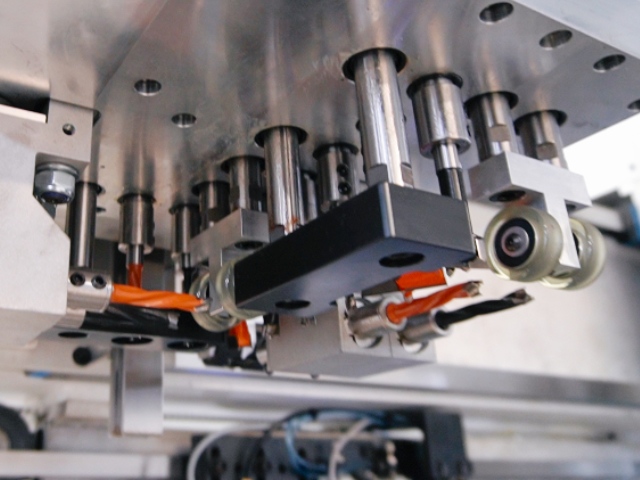
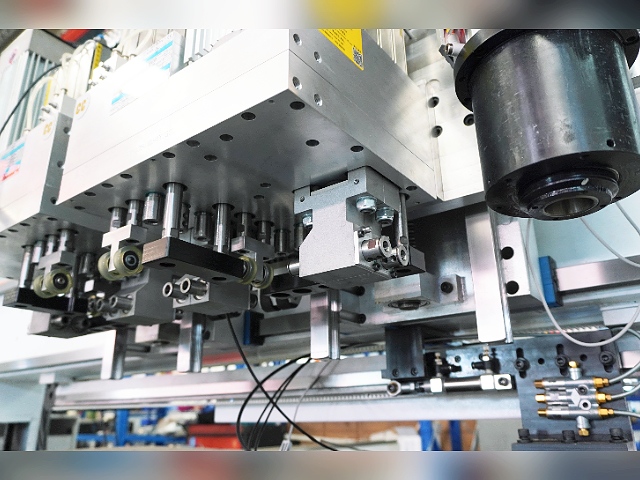
Crystal internal carving is a remarkable craft that beautifully merges art and technology. With the RFH F9 5W UV laser, we are capable of creating stunning three-dimensional patterns within transparent crystals, resulting in unique and captivating visual effects.


One of the primary advantages of utilizing the RFH F9 UV laser is its unparalleled precision. This technology allows for **non-destructive processing**, ensuring that the integrity of the crystal is maintained throughout the carving process. Additionally, the high processing efficiency of the RFH F9 translates to faster production times, making it an ideal choice for both artists and manufacturers looking to optimize their workflow.


Moreover, the design flexibility offered by this laser is a significant benefit. The adaptability of the RFH F9 can accommodate various intricate designs, giving artists the creative freedom to explore new possibilities in crystal carving.


The RFH F9 5W UV laser stands out for its **excellent beam quality** and **stable output performance**. These features ensure consistent results, essential for high-quality production. Its flexible adjustment capabilities further enhance its usability across different projects, making it a reliable choice for diverse applications.


In summary, the RFH F9 5W UV laser is revolutionizing the field of crystal internal carving, combining precision, efficiency, and reliability. As this technology continues to advance, we can expect even more extraordinary creations that will push the boundaries of artistic expression in crystal engraving.


Why do creases often occur on the fabric surface? Engineers with years of experience have found a solution!

The processes of cotton knitting fabric(scouring, bleaching , dyeing and etc.) is generally carried out in the overflow machine. During the entire processing, the fabric remains in a rope-like state. The fibers constantly bend and deform in the dyeing machine, the original hydrogen bonds are constantly broken while new hydrogen bonds are constantly formed. Sometimes the newly formed hydrogen bonds cannot be fully restored, thus forming chicken claw marks and dead creases on the fabric surface.

In the single-sided fabric structure, tension of the two sides of yarn is asymmetric. After fabric is folded in one direction for a long time, it is difficult to recover. Therefore, among various structures,  especially on fabrics with less or larger weight (eg. plain weave and sweatshirt fabrics) are more prone to crease problems. The generation of creases is also closely related to yarn count and twist. The finer the yarn count and the higher the twist, the greater the possible reversal and untying of the yarn, and the more likely it is to cause crease problems.


fabric dyeing machine


The main process steps leading to creases: scouring and bleaching

1. The general dyeing and finishing process typically involves: fabric preparation → seam sealing → boiling and bleaching in the fabric dyeing machine → dyeing → soaping → color fixing → softening → fabric out from dyeing machine → dehydration → drying. It is commonly believed that creases mainly form in the dyeing machine. However, after rigorous experimental verification by our engineers, it has been found that most cotton knits actually develop creases during the boiling and bleaching stage, which are just not easily observable before dyeing.


2. Based on the years of experience of our engineers, the following types of fabric and equipments are prone to developing creases during the boiling and bleaching stage:

Fabric factors: Single-sided cotton fabrics with lighter or heavier weights (e.g., weights <150g or >300g), especially cotton spandex (with elastane) fabrics.


Machine factors: Compared to L-shaped overflow fabric dyeing machine, J-shaped overflow fabric dyeing machine are more prone to creating creases due to their stronger stretching force. Air-jet fabric dyeing machine, on the other hand, are less likely to cause creases because the fabric is fully blown open by high-pressure air at the nozzles, allowing the fibers to "rest" from tension, which aids in eliminating internal stress and reducing creasing issues.


Process factors: Fabrics that have not undergone prestretching are more prone to creasing. Fixing the fabric under high temperatures can improve fiber proximity and orientation, stabilize fiber morphology and reduce likelihood of changes occurring in dyeing machine, which is beneficial for reducing creases.

knitted fabric

350g pure cotton knitted fabric (no creases after dyeing)


knitted fabric after dyeing

140g pure cotton knitted jersey (no creases after dyeing)


Solutions of scouring and belaching creases 

1. General Method: During boiling and bleaching, as well as dyeing, polyacrylamide-based lubricants are added. The primary role of this type of lubricating agent is to "reduce friction between fabrics and between fabrics and machinery," but it is difficult to resolve creases formed during boiling and bleaching.


2. Solution Proposed in This Article: To improve creases during boiling and bleaching, the following auxiliaries, processes, and operations are employed. Satisfactory results have been confirmed through applications by multiple clients.


Auxiliaries:

A. Preferentially select a high-concentration and highly soluble polyacrylamide-based anti-crease agent JET (non-ionic) for use in the bath. Its role is to reduce friction between fabrics and between fabrics and machinery.

B. Select new type of anti-crease softener RCE (non-ionic). Its role is to impart good softness and smoothness to the fabric itself, as well as to provide level dyeing properties. 

The combined use of these two auxiliaries is the core of this method.


Process:

Reduce the heating rate; the focus is on reducing the cooling rate, with an optimal range of 1.0 to 1.5°C/min.


Operations:

Before entering the dyeing machine, the gray fabric should be placed in an area with high humidity in workshop to allow for sufficient moisture regain. During moisture regain, the fibers undergo some swelling, and internal stresses are partially eliminated, which is conducive to reducing creases. After the gray fabric is loosened, it should be allowed to freely pass through a J-shaped trough, while simultaneously being pressed by a press roll or stretched by rollers, which is conducive to eliminating internal stresses and reducing creases.


3.Process example

dyeing processing

Before boiling and bleaching, add refining permeant, etc., anti-wrinkle agent JET and anti-wrinkle softening agent RCE in the bath, do not heating firstly, cycle for 20 minutes after entering the cloth, so that the grey cloth is fully moistened and the auxiliary agent fully reacts with the fabric fiber. If bleaching is required, caustic soda and hydrogen peroxide can be added before heating. Reduce the rate of heating; Especially to reduce the cooling rate, generally 1.0 ~ 1.5℃/min is better; And it must be completely cooled to 50 ° C to discharge the liquid for dyeing.


Other items to prevent creases

1. In order to prevent the generation of creases, it is recommended to add polyacrylamide type lubricant - JET in the bath during dyeing, and reduce the cooling rate.

2. When dehydrating and dry cloth, open width rolling water dry cloth can be used, which not only improves the efficiency of dry cloth, but also helps to solve the problem of creasing. 

3. When stacking cloth, it is recommended that the weight should not be too large and the time should not be too long, especially when the wet cloth is stored.

4. If it is cotton rack (with spandex) fabric using this solution can not completely solve the crease problem, you can consider the presetting process. 


5. Generally, the slight crease can be solved by the setting machine, and the stubborn can be returned to the cylinder washing water, gradually heating up to 85 ° C, gradually cooling down to 50 ° C process test repair, or can be re-shaped by steam in the industrial drying machine, which can be repaired according to their respective equipment and crease conditions.

Advantages of Choosing Small Manufacturers When Purchasing Chemical Centrifugal Pumps in China

In the field of chemical production, the procurement of chemical centrifugal pumps is a crucial decision. When considering the purchase of chemical centrifugal pumps, many enterprises will turn their attention to small manufacturers, and there are numerous notable advantages behind this.


Ⅰ.Outstanding Cost Performance

Small manufacturers possess unique advantages in their cost structure. Compared with large enterprises, their operating costs are lower, without complex hierarchical management frameworks and large-scale marketing expenses. This enables them to provide customers with more affordable chemical centrifugal pumps while ensuring a certain profit margin. For enterprises with limited budgets, purchasing from small manufacturers can effectively reduce procurement costs and achieve higher capital utilization efficiency. Moreover, small manufacturers are often more willing to negotiate prices with customers. Since the scale of orders has a relatively significant impact on them, they will actively communicate with purchasers when facing reasonable price requests, striving to reach cooperation, which makes it possible for purchasers to obtain more favorable prices.


Ⅱ.Strong Customization Capability

The technological processes in chemical production are diverse, and the requirements for chemical centrifugal pumps also vary greatly. The flexibility of small manufacturers demonstrates great value in such situations. Their production arrangements are not as restricted by large-scale production as those of large manufacturers, and they can easily adjust production processes and procedures. If purchasers have requirements for special materials, unique size specifications, or specific performance parameters of centrifugal pumps, small manufacturers can respond promptly and carry out customized production. During the entire customization process, the simple internal communication chain of small manufacturers ensures the efficient and accurate transmission of information. Purchasers can directly communicate with technicians and production managers to quickly feed back changes in requirements, ensuring that the customized chemical centrifugal pumps can perfectly adapt to the production environment.


Ⅲ.Unique Professionalism

Many small manufacturers focus on the specific segment of chemical centrifugal pumps.Long-term in-depth cultivation has enabled them to accumulate profound professional knowledge in technical aspects. They concentrate their limited resources on the research development and production of specific types of chemical centrifugal pumps, and their understanding and mastery of the products often exceed those of some large comprehensive enterprises. This professionalism is reflected in the control of performance details of chemical centrifugal pumps. Whether it is the flow rate, head, efficiency of the pump, or special properties such as corrosion resistance and wear resistance, they have conducted in-depth research. During the selection stage, small manufacturers can provide precise suggestions to purchasers based on their professional knowledge, helping purchasers choose the most suitable centrifugal pumps for their own chemical processes, and avoiding subsequent usage problems caused by improper selection.

chemical centrifugal pump

Ⅳ.Obvious Advantages in Delivery Time

In chemical production projects, time is money. Small manufacturers have unique advantages in terms of delivery time. Due to their relatively small production scale, it is more convenient to adjust production plans. When purchasers have urgent order requirements, small manufacturers can quickly arrange production to prioritize meeting the time requirements of customers. Meanwhile, some small manufacturers will reserve a certain amount of inventory according to common market demands. For some commonly used models of chemical centrifugal pumps, purchasers can quickly pick up the goods after placing orders, greatly shortening the waiting time and facilitating the smooth progress of chemical projects.


Ⅴ.Thoughtful After-sales Service

Small manufacturers are well aware of the importance of customers to their own development, so they often spare no effort in after-sales service. When customers encounter problems during the use of chemical centrifugal pumps, small manufacturers can respond quickly. They do not have cumbersome after-sales procedures, and technicians can quickly get in touch with customers to understand the problems and provide solutions. Moreover, the after-sales service of small manufacturers is more personalized. They can provide on-site installation guidance, equipment debugging, regular maintenance, and other comprehensive services according to the actual situation of customers. This thoughtful after-sales service not only can ensure the normal operation of chemical centrifugal pumps and extend the service life of equipment, but also can make purchasers feel meticulous care, laying a good foundation for long-term cooperation.

In conclusion, when purchasing chemical centrifugal pumps in China, small manufacturers, with their characteristics in terms of price advantages, customization capabilities, professionalism, advantages in delivery time and after-sales service, have become a high-quality procurement option that cannot be ignored, providing strong support for the stable production and development of chemical enterprises.


Ⅵ.Manufacturer Recommendation

At Anhui Changyu Pump and Valve Co., Ltd., our pumps are offered at favorable prices while maintaining excellent quality.

We can customize special materials, unique size specifications or specific performance parameters of centrifugal pumps according to the specific requirements of buyers.

Moreover, our company has been deeply engaged in the production of chemical centrifugal pumps for more than 20 years. This professionalism is reflected in the control of performance details of chemical centrifugal pumps. Whether it is the flow rate, head, efficiency of the pump, or special properties such as corrosion resistance and wear resistance, we have conducted in-depth research.

When there is an urgent order requirement, our company can quickly arrange production to prioritize meeting the customers' time requirements.

When customers encounter problems during the use of chemical centrifugal pumps, our company can respond quickly. We don't have cumbersome. 

Anhui Changyu Pump and Valve Co., Ltd.

Comprehensive analysis of the advantages and disadvantages of mortar pumps

As an "expert in solid medium transportation", mortar pumps are widely used in smelting, mine tailings treatment, river dredging, thermal power generation and other scenarios. Due to its wear-resistant and corrosion-resistant characteristics, mortar pumps have become the favorite of many industrial and mining manufacturers. This article dismantles the advantages and disadvantages of mortar pumps in detail to help you understand the characteristics of the equipment and avoid misunderstandings in pump selection.


1. Advantages of mortar pumps

mortar pumps

1. High wear resistance: Mortar pumps use high wear-resistant materials in the design and material use of impellers, pump casings, and linings, and the wear resistance is several times higher than that of other pumps.


2. Large flow rate and high efficiency

The flow channel width is 1.5 times that of the clean water pump with the same power. The mortar pump has a large flow rate and head, fast speed and large flow rate

The maximum particle diameter comparison table can be used:

mortar pumps


3. Excellent corrosion resistance

The mortar pump can withstand a variety of corrosive media (acids, alkalis, salts) at specific temperatures and solvent concentrations, and is immersed in 80 organic solvents at 20℃ and 90℃ for 30d. There is no abnormality on the surface and the performance is stable.


4. Multi-function and strong adaptability

Because of the wear resistance and corrosion resistance of the mortar pump, as well as the large flow rate and head, the mortar pump is highly functional and can transport mortars of different properties.


5. Good sealing performance: The mortar pump uses a combination of auxiliary impeller + mechanical seal to prevent leakage of mortar in the pump and ensure the stable operation of the equipment.

mortar pumps


2. Disadvantages of mortar pump:


1. Mortar pumps have high energy consumption and consume 15-25% more electricity than clean water pumps at the same power.


2. The operation of the mortar pump is demanding and requires certain professional skills and experience. Improper operation may lead to problems such as clogging of the mortar pump and poor pumping. In serious cases, it may even damage the equipment.


3. Mortar pumps have high maintenance costs and require regular maintenance and maintenance. The replacement frequency of spare parts is also relatively high. The replacement cycle table of wearing parts is as follows:

mortar pumps


4. The scope of application of mortar pumps is limited. Mortar pumps are only suitable for small and medium-sized construction sites and have certain requirements for power supply. If the construction site is short of electricity, it will also affect the use of mortar pumps.


3. Selection parameter table of mortar pumps

mortar pumps

Although mortar pumps have limitations such as high energy consumption and frequent maintenance, their irreplaceability under harsh working conditions is unquestionable. It is recommended that when purchasing, focus on core parameters such as the material of the flow-passing parts and the configuration of the sealing system. If necessary, the manufacturer can be asked to provide a media suitability test report.

Daily Maintenance of Magnetic Pumps

Magnetic pumps play an important role in industrial production. To ensure their stable and efficient operation, daily maintenance work needs to be carried out from multiple aspects.


Monitoring of Operating Parameters

(1) Flow Monitoring


Flow is a key parameter for measuring the working efficiency of magnetic drive pumps. A flowmeter is used to measure and record the flow of the pump regularly. If there are abnormal changes in the flow, the cause needs to be investigated in a timely manner. For example, if the flow gradually decreases, it may be due to the accumulation of impurities in the impeller from the conveyed medium, affecting the normal delivery of the liquid. At this time, the impeller should be cleaned or the filter at the inlet should be checked for blockage. If there is a sudden drop in flow, it may be that the magnetic coupling has failed, affecting the rotational speed of the impeller, and the coupling needs to be inspected and repaired.

Magnetic Pump


(2) Pressure Inspection


Pay close attention to the magnetic drive pumps's inlet and outlet pressures. High outlet pressure may be due to blockage of the outlet pipeline, such as scale build-up or accumulation of foreign objects in the pipeline. The pipeline should be cleaned in a timely manner. Low outlet pressure may be due to damage to the impeller, poor sealing, or internal leakage. Low inlet pressure may cause cavitation, and the tightness of the inlet pipeline and the patency of the filter need to be checked. Timely detection of problems through pressure changes can effectively avoid further damage to the equipment.


(3) Temperature Monitoring


Regularly detect the temperatures of the magnetic drive pump body, isolation sleeve, and motor. An abnormal increase in the pump body temperature may be due to bearing wear, insufficient lubrication, or increased friction between the impeller and the pump casing. An excessively high temperature of the isolation sleeve may be due to increased friction between the internal magnetic rotor and the isolation sleeve or a failure of the cooling system. An excessively high motor temperature may be due to overload, poor heat dissipation, or an electrical fault. When the temperature exceeds the normal range, the machine must be stopped for inspection to prevent component damage.


Visual Inspection

(1) Leakage Inspection


Leakage inspection of magnetic drive pump is of crucial importance. Check the pump body, pipeline connection parts, and possible shaft seal locations. If leakage is found, in the sealing gasket, it may be that the gasket is aged or damaged and needs to be replaced in a timely manner. If there are cracks in the pump body causing leakage, minor cracks can be repaired, while severe ones require consideration of replacing the pump body.


(2) Inspection of Component Condition


Check the integrity of components such as the pump body, impeller, and coupling. The pump body should show no signs of deformation or corrosion. If there is corrosion, corresponding anti-corrosion measures can be taken or replacement can be carried out according to the degree of corrosion. The blades of the impeller should not be worn or broken, otherwise, the performance of the pump will be reduced. The coupling should be checked for looseness and wear to ensure a tight connection and good alignment. If there are problems, adjustments or replacements should be made in a timely manner.


Lubrication Maintenance

(1) Lubricating Oil Management


The lubricating oil in the bearing box has a great impact on the normal operation of the magnetic pump. Regularly check the oil level to ensure that it is within the range specified by the oil gauge. If it is too low, the bearings will not be lubricated adequately, and if it is too high, overheating and oil leakage may occur. At the same time, observe the oil quality. If the oil color turns black, there are impurities, or emulsification occurs, the lubricating oil should be replaced in a timely manner. Generally, it is replaced every 1,000 - 2,000 hours of operation. When replacing, the bearing box should be thoroughly cleaned.


(2) Grease Replenishment (if applicable)


For parts lubricated with grease, regularly check the remaining amount of grease. When the grease is insufficient, replenish it according to the regulations, taking care to avoid mixing in impurities to ensure the lubrication effect.


Maintenance of Key Components

(1) Maintenance of Magnetic Coupling


The magnetic coupling is the core component of the magnetic pump. Regularly check its magnetic strength and coupling condition. This can be judged by observing the operating state of the pump, such as whether the rotational speed is stable and whether there are abnormal vibrations. If a decrease in magnetic strength or decoupling phenomenon is found, it may be that the magnets are damaged or aged, the magnetic coupling components need to be replaced, and the installation gap should be ensured to be correct.


(2) Inspection of Isolation Sleeve


The condition of the isolation sleeve is directly related to the safety of the magnetic pump. Check whether the isolation sleeve is worn, corroded, or cracked. Slight wear can be observed for the time being, but if the wear is severe or there are cracks, it must be replaced immediately to prevent the medium from leaking into the magnetic drive part.

Fluorine lined magnetic pump

Cleaning and Environmental Maintenance

(1) Pump Body Cleaning


Keep the surface of the pump body clean. Regularly wipe it with a clean cloth to remove dust, oil, and other substances to prevent impurities from entering the pump and affecting its operation.


(2) Environmental Maintenance


Keep the operating environment of the magnetic pump dry and well-ventilated, and avoid dampness, corrosive gases, etc. from causing damage to the pump body and electrical components.


Electrical System Maintenance

(1) Motor Inspection


Check whether the motor wiring is firm and the insulation is good. Regularly measure the insulation resistance of the motor to prevent electric leakage. At the same time, check the heat dissipation situation of the motor to ensure its normal heat dissipation.


(2) Circuit Inspection


Check the start-stop control circuit and protection devices of the magnetic pump to ensure that the control elements work normally and the protection devices function properly to ensure the safe operation of the magnetic pump.


Through the above comprehensive daily maintenance measures, the performance and service life of the magnetic pump can be effectively guaranteed, providing strong support for the stable progress of industrial production. Changyupump is a professional industrial chemical pump manufacturer, get more products from us quickly! Email:jade@changyupump.com


Difference Between Voltage Transformer and Power Transformer


ZTC series voltage transformer PT526


Both Voltage Transformers (VTs) and Power Transformers operate on the principle of electromagnetic induction, but their applications and working mechanisms differ significantly. Below is a simple and easy-to-understand explanation of their differences.


Power Transformers are designed for efficient energy transfer in electrical grids and industries.
Voltage Transformers (Potential Transformers) are used for safe monitoring and protection, ensuring accurate voltage measurement.


1. Main Differences Between Voltage Transformer and Power Transformer

Purpose

  • Power Transformer: Used for transmitting and distributing electrical energy by stepping up or stepping down voltage.
  • Voltage Transformer (Potential Transformer - PT): Used for measurement and protection by reducing high voltage to a lower, measurable level.

Working Principle

  • Power Transformer: Designed to handle high power and transfer energy efficiently.
  • Voltage Transformer: Designed for precision, ensuring accurate voltage measurement while consuming minimal power.

Load Capacity

  • Power Transformer: Can handle heavy loads and supply energy to electrical devices.
  • Voltage Transformer: Cannot drive a load; only provides a proportional voltage signal to measurement devices.

Structure

  • Power Transformer: Larger and bulkier, designed to handle high power levels.
  • Voltage Transformer: Compact and designed for precision with high accuracy.

2. Comparison Table: Voltage Transformer vs. Power Transformer

Feature Power Transformer Voltage Transformer (Potential Transformer)
Primary Function Converts voltage for power distribution Provides a proportional voltage signal for measurement & protection
Power Handling High power (kW to MW) Very low power (mW to W)
Load Connection Can connect to heavy loads (motors, lighting, etc.) Only connects to measuring instruments & relays
Accuracy Requirement Low, efficiency is more important High, to ensure accurate measurement
Core Design Larger, built for efficient power transfer Smaller, built for accuracy & stability
Loss Consideration Minimizes energy losses Ensures minimal measurement error
Main Application Power grids, substations, industrial systems Electrical protection, metering, monitoring high voltage systems
Example Use Case Step-down transformer for household electricity Step-down voltage for measuring 110kV power lines

3. Working Principle Explained

Power Transformer

  • Uses electromagnetic induction to step up or step down voltage.
  • Designed to handle high power levels efficiently with minimal loss.
  • Example: A power transformer in a substation converts 110kV to 11kV for local distribution.

Voltage Transformer (VT)

  • Also works on electromagnetic induction but with minimal power consumption.
  • Converts high voltage (e.g., 33kV) into a low voltage (e.g., 110V) for monitoring devices.
  • Accuracy is critical to ensure safe operation of electrical protection systems.

4. Simple Analogy

Think of:

  • Power Transformer = A Water Pump – It transfers large amounts of water (power) from one place to another.
  • Voltage Transformer = A Measuring Cup – It takes a small portion of the water (voltage) and presents it in a measurable form.


Understanding Current Transformer Errors Ratio Difference and Phase Error

Current transformers (CTs) are essential components in electrical metering, power monitoring, and protection systems. Their accuracy directly influences the precision of power measurement, energy billing, and system protection. Two critical parameters define CT performance: ratio difference (current magnitude error) and phase error. Understanding their impact is vital for selecting the right CT for various applications.


The Importance of Ratio Difference and Phase Error


Ratio Difference: The Core of Accuracy in Current Measurement

The ratio difference (also known as current magnitude error) represents the discrepancy between the actual primary current and the scaled secondary current when referred back to the primary side. It is a fundamental error type in CTs, directly affecting the accuracy of current measurement.

  • Impact on Measurement: A higher ratio difference leads to incorrect current readings, affecting energy billing and system monitoring.
  • Regulatory Compliance: Standards like IEC 61869-2 and IEEE C57.13 define allowable ratio differences to ensure CTs meet industry requirements.
  • Primary Consideration: In most electrical metering applications, ratio difference is more critical than phase error, as it directly affects metering precision.

Phase Error: Why It Matters in Power and Energy Measurement

Phase error refers to the angular difference between the primary and secondary currents. Unlike ratio difference, it does not affect the magnitude of the current but significantly impacts power calculation and energy metering.

  • Power Measurement: In AC circuits, power is given by the equation:
    , where is the phase angle between voltage and current. A CT with phase error distorts this relationship, leading to incorrect power calculations.
  • Energy Billing: Since energy (kWh) is the integral of power over time, inaccurate power calculations due to phase error result in energy billing discrepancies.
  • Protective Relaying: Many protection schemes depend on phase alignment between currents from multiple CTs. A significant phase error can cause false tripping or failure to detect faults.

Which Error is More Important?

  • For pure current measurement, ratio difference is the primary concern.
  • For power and energy metering, phase error is equally critical because it affects real and reactive power calculations.

How Phase Error Affects Power Systems

Impact on Power Measurement

In AC circuits, active power (P) and reactive power (Q) depend on the phase relationship between voltage and current:

  • Active Power:
  • Reactive Power:

If a CT introduces phase error, the calculated value becomes incorrect, leading to significant errors in both active and reactive power measurement.


Electricity Metering and Billing Errors

Electricity meters rely on precise current and voltage phase relationships to determine energy consumption. A phase error in CTs may result in:

  • Overbilling or underbilling customers, leading to disputes with energy providers.
  • Incorrect power factor calculations, affecting penalties and incentives in industrial billing.
  • Inaccurate load profiling, leading to poor demand-side management decisions.

Protection Relay Malfunctions

Many protection schemes, such as differential protection and directional relays, depend on precise phase relationships. If a CT has excessive phase error:

  • Differential relays may falsely interpret normal conditions as faults, causing unnecessary outages.
  • Directional relays might misjudge power flow, leading to incorrect breaker operations.
  • Overcurrent relays may experience delayed tripping, increasing the risk of equipment damage.

Why Does Current Have a Phase?

The Concept of Phase in AC Circuits

In an alternating current (AC) system, both voltage and current follow sinusoidal waveforms. However, due to the presence of inductive and capacitive elements, these waveforms do not always align. The phase difference between them defines the power behavior of the circuit.


What Causes Phase Difference?

  • Inductors (Coils): Inductive elements cause current to lag behind voltage. This is typical in motors, transformers, and chokes.
  • Capacitors: Capacitive elements cause current to lead voltage, common in power factor correction applications.
  • Resistive Loads: In pure resistive loads (e.g., heaters), current and voltage are perfectly in phase ().

The phase error introduced by CTs adds an additional phase shift, further distorting power calculations.


Phase Error and Energy Metering Accuracy

Why Energy Meters Need Accurate Phase Measurement

In energy metering, correct measurement of both current magnitude and phase angle is essential because:

  • Power factor correction depends on precise phase angles to minimize penalties for industrial consumers.
  • Utility companies rely on accurate power calculations to manage grid loads and prevent losses.
  • Smart meters use phase information to optimize energy distribution and detect power theft.

How CT Phase Error Affects Energy Billing

A CT with phase error introduces a systematic deviation in power calculations, leading to long-term financial losses for both utilities and consumers. In extreme cases, billing inaccuracies may reach several percentage points, translating to millions of dollars in revenue discrepancies annually.


Phase Error Exists Only in AC Systems

Why DC Systems Do Not Have Phase Error

In direct current (DC) circuits, current and voltage remain constant over time. Since phase angle is only relevant in alternating signals, DC current transformers do not experience phase error.

  • No Frequency Variation: DC has no sinusoidal frequency, so no phase shift occurs.
  • Simpler Measurement: Unlike AC CTs, DC current sensors rely on shunt resistors or Hall-effect sensors, eliminating phase error concerns.

How to Minimize Phase Error in CTs

Design Improvements

  • High-quality magnetic cores reduce flux leakage and saturation effects.
  • Optimized winding arrangements improve accuracy and reduce distortion.
  • Advanced compensation techniques correct inherent phase shifts.

Calibration and Testing

  • Periodic calibration ensures compliance with standards.
  • Factory and field testing verify phase accuracy before deployment.
  • Compensation algorithms in digital meters mitigate minor phase errors.


Benifits of PEGE loss in weight feeder

Benefits of PEGE Loss-in-weight Feeder


Typical Nanjing PEGE  loss–in-weight feeders are used to negate the use of weigh hoppers and to eliminate the impact of material. This system is particularly useful when the product to be weighed is sticky and does not have good flow properties.

A. Improve measurement accuracy
B. Reduce premixing workload
C. Improve product stability
D. Reduce dust pollution and be more environmentally friendly.

E. Improve work and production efficiency.

Can loss in weight feeder or loss in weight feeding machine feed maleic anhydride, what specific conditions?


Can loss in weight feeder or loss in weight feeding machine feed maleic anhydride, what specific conditions?


A loss-in-weight feeder (loss-in-weight feeding machine) can be used for feeding maleic anhydride, but the following specific conditions need to be met:


Characteristics and Challenges of Maleic Anhydride

1. **Physical State and Temperature Requirements**

   - Maleic anhydride is a solid at room temperature (with a melting point of approximately 52-54°C) and needs to be heated to a liquid state (usually 60-80°C) for stable conveying.

   - A **heating and heat preservation system** (such as an electrically traced pipeline or a jacket heating system) should be equipped to prevent solidification and blockage.

2. **Strong Corrosiveness**

   - Maleic anhydride has strong corrosiveness to metals (especially ordinary stainless steel), so **corrosion-resistant materials** need to be selected:

     - Materials for parts in contact with the material: **PTFE (polytetrafluoroethylene) lining, Hastelloy C276**.

     - Sealing elements: **fluororubber (FKM) or perfluoroelastomer (FFKM)**.

3. **Safety Protection**

   - Liquid maleic anhydride is prone to volatilizing irritating gases, so a **fully enclosed design** is required, and an **exhaust gas treatment system** (such as condensation recovery or activated carbon adsorption) should be configured.

   - The equipment needs to meet the **explosion-proof certification** (such as ATEX) to avoid risks caused by high temperature or static electricity.


 Equipment Selection and Modification Suggestions

1. **Configuration of Suitable Machine Types**

   - **Heating type loss-in-weight feeder**: The hopper and conveying pipeline are integrated with an electric heating/circulating heat medium jacket to maintain the temperature above 60°C.

   - **Corrosion-resistant structure**: Sensors, valves, and pumps in contact with the material need to be made of PTFE or Hastelloy materials.

   - **Anti-crystallization design**: Screw pumps or vibration-assisted discharging are used to avoid local cooling and crystallization of the melt.

2. **Optimization of Operating Parameters**

   - **Temperature control accuracy**: Within ±2°C to avoid excessive thermal decomposition (maleic anhydride may generate maleic anhydride gas at high temperatures).

   - **Feeding accuracy**: It is recommended to select a **high-resolution weighing sensor** (≤0.1% F.S.) to ensure the accuracy of minor addition.

3. **Supporting Systems**

   - **Nitrogen protection**: Fill the hopper with nitrogen to isolate oxygen and prevent oxidation side reactions.

   - **Emergency cooling**: Start the cooling program in case of abnormal shutdown to prevent the residual material from carbonizing.


 Precautions

- **Direct contact with water is prohibited**: Maleic anhydride hydrolyzes violently when it comes into contact with water, so strict moisture prevention is required (blow dry air inside the equipment).

- **Maintenance and cleaning**: Thoroughly remove the residual material after shutdown to avoid solid blockage (the pipeline can be purged with hot nitrogen).

- **Safe operation**: Personnel need to wear gas masks and acid-resistant gloves, and emergency flushing facilities should be provided on-site.


**Summary**

Maleic anhydride can achieve precise feeding through a **customized loss-in-weight feeder**. The key lies in:

- **Corrosion-resistant materials + precise temperature control + fully enclosed explosion-proof design**.

See our loss in weight feeding machine for MAH feeding.

 PEGE liquid loss in weight feeder for Maleic AnhydridePEGE liquid loss in weight feeder for Maleic Anhydride

It is recommended to communicate in detail with the equipment supplier about the process parameters (temperature, flow rate, environmental requirements, etc.) and conduct small-scale tests to verify the stability of the system.

Nanjing PEGE can surely provide reliable liquid loss in weight feeder to feed Maleic Anhydride for clients all over the world.


Cryogenic Deflashing Machine can deburr the PPS material plastic components in an efficient way

Cryogenic Deflashing Machine can deburr the PPS material plastic components in an efficient way


NANJING PEGE TECHNO cryogenic deflashing machine PG-40T system can do the deburring process,not only for rubber parts, but plasitc parts.
PPS+GF40 material is easilly to have burrs during injection molding, cryogenic deburring is a good way for you to solve this headache problem.

First of all we need to make an analysis of the components:

  1. Flash condition: PPS+GF

    Easily to have burrs during the injection process.

    The flashes are many, but they are thin and small which are good for cryogenic deburring
  2. Part shape and structure: Round, no fragile angel, not too big, very suitable for cryogenic deflashing
  3. Estimation: Burrs can be efficiently deburred in our PG-40T


Temperature

   -40°C

Time

 4mins

Wheel speed

 6000rpm

Media Size

0.75mm

Barrel Speed

8rpm

Qty for one batch

70pcs

This are the parameters for samples testing, more parts can be deflashed in one time.


4. Result: Result is good.  No burrs left, feel smooth.


After testing and internal inspection, the cryogenic deburring system is approved that it is suitable for PPS+GF plastic parts deburring process.

NANJING PEGE always provide good machine and technology for you to improve efficiency and precision.