In today’s fast-paced world, where convenience and freshness are top priorities, the need for efficient food packaging solutions has become crucial. Vacuum sealing machines have emerged as a revolutionary technology that extends the shelf life of perishable goods while preserving their freshness and nutritional value. In this article, we will explore various vacuum sealing machines used in commercial settings, such as the vacuum food can sealing machine, vacuum nitrogen can sealing machine, automatic food starch single chamber nitrogen flushing vacuum tin can sealing machine, food sardines commercial automatic industrial powder vacuum nitrogen filling machine, and fully automatic aluminum tomato canning vacuum nitrogen flushing powder can sealing machine.
The Vacuum Food Can Sealing Machine: Enhancing Shelf Life
The vacuum food can sealing machine is a reliable and efficient packaging solution commonly used in the food industry. This machine eliminates oxygen from the can, preventing the growth of spoilage-causing bacteria and minimizing the risk of foodborne illnesses. By creating an airtight seal, the vacuum food can sealing machine extends the shelf life of canned products, allowing consumers to enjoy their favorite foods for a longer period.
Vacuum Nitrogen Can Sealing Machine: Preserving Freshness
To further enhance the preservation of food, the vacuum nitrogen can sealing machine comes into play. This technology replaces the oxygen within the can with nitrogen gas, which helps maintain the product’s freshness and taste. Nitrogen is an inert gas that does not react with food, ensuring its quality remains intact. The vacuum nitrogen can sealing machine is widely used for packaging sensitive commodities like coffee, snacks, and dried fruits.
Automatic Food Starch Single Chamber Nitrogen Flushing Vacuum Tin Can Sealing Machine: Efficiency at its Best
The automatic food starch single chamber nitrogen flushing vacuum tin can sealing machine is designed to streamline the packaging process. With the ability to flush the can with nitrogen gas before sealing, it removes any residual oxygen, which can compromise the quality of the product. This machine ensures a consistent level of freshness, making it ideal for large-scale production or commercial operations that demand quick and efficient packaging.
Food Sardines Commercial Automatic Industrial Powder Vacuum Nitrogen Filling Machine: Catering to Specific Needs
Certain food products, such as powdered ingredients or delicate seafood like sardines, require specialized packaging solutions. The food sardines commercial automatic industrial powder vacuum nitrogen filling machine is specifically designed to handle such requirements. By filling the cans with nitrogen gas and creating a tight seal, this machine protects the product from moisture, oxidation, and other potential sources of spoilage.
Fully Auto Aluminum Tomato Canning Vacuum Nitrogen Flushing Powder Can Sealing Machine: Perfecting Preservation
When it comes to high-demand products like canned tomatoes, precision and efficiency are crucial. The fully automatic aluminum tomato canning vacuum nitrogen flushing powder can sealing machine offers a complete packaging solution tailored to these needs. This machine efficiently flushes the cans with nitrogen gas, removes excess powder, and seals them tightly, ensuring the longest possible shelf life and utmost product preservation.
In conclusion, commercial vacuum sealing machines have revolutionized the way we package and preserve food. From the vacuum food can sealing machine to the fully automatic aluminum tomato canning vacuum nitrogen flushing powder can sealing machine, these technologies provide efficient and effective packaging solutions for various food products. By extending shelf life and maintaining freshness, vacuum sealing machines play a significant role in meeting consumer demands for convenience and quality in the food industry.
Welcome to our beginner’s guide on using the Spinning Deflashing Machine with Vibratory Separator. If you are new to this machine and want to learn how to use it effectively, you have come to the right place. In this step-by-step guide, we will walk you through the process of using this machine and help you achieve optimal results.
Step 1: Machine Setup and Safety Precautions
Before you start using the Spinning Deflashing Machine with Vibratory Separator, it is important to ensure proper setup and adhere to safety precautions:
Find a well-ventilated area with ample space to set up the machine.
Check if the machine is properly grounded and connect it to a suitable power source.
Wear appropriate safety gear including gloves and safety glasses to protect yourself.
Familiarize yourself with the machine’s user manual, understanding its features and functions.
Step 2: Loading and Securing the Parts
Once the machine is set up and you have taken the necessary safety precautions, it’s time to load and secure the parts for processing:
Identify the parts that need deflashing.
Clean and dry the parts thoroughly to remove any debris or contaminants.
Arrange the parts evenly on the machine’s spinning platform, ensuring they are not overcrowded.
Secure the parts using the provided holding fixtures or suitable clamps, preventing them from moving during the process.
Step 3: Adjusting the Settings
To achieve the desired deflashing results, it is crucial to make proper adjustments to the machine’s settings:
Set the appropriate spinning speed based on the material and complexity of the parts. Refer to the manufacturer’s guidelines for recommended speeds.
Adjust the timer to control the duration of the deflashing process. Start with a shorter duration and gradually increase if necessary.
Fine-tune the amplitude of the machine’s vibratory separator to ensure effective separation of the excess material.
Step 4: Starting the Deflashing Process
With the parts loaded, secured, and the settings adjusted, it’s time to start the deflashing process:
Double-check that all safety precautions are in place.
Turn on the power to the Spinning Deflashing Machine with Vibratory Separator.
Start the machine and let it run for the specified duration, allowing the spinning action and separator to remove excess material from the parts.
Monitor the process closely, ensuring there are no complications or irregularities.
Step 5: Inspecting and Finishing
Once the deflashing process is complete, inspect the parts and finalize the finishing touches:
Carefully remove the parts from the machine’s spinning platform.
Inspect the parts for any remaining flash or defects and remove them manually if necessary.
Clean the parts thoroughly to remove any debris or residues generated during the process.
Optionally, apply any required surface treatments or coatings to improve the visual appearance or functionality of the parts.
By following this step-by-step guide, you should now feel confident in using the Spinning Deflashing Machine with Vibratory Separator. Remember to always prioritize safety, consult the manufacturer’s guidelines, and practice good maintenance to extend the machine’s lifespan. With regular practice and attention to detail, you will achieve excellent deflashing results consistently. Happy deflashing!
Cutting angles on a lathe is a very important activity in machining, regardless of the components' complexity or whether the fittings are custom made. The CNC machines (Computer Numerical Control) in modern manufacturing have changed the cutting angles process to a great extent by providing precise and efficient solutions that are much better than the traditional methods.
In this article, we are going to explain the cutting angles on a lathe using CNC technology, talk about the different tools and attachments used, and at last present the CNC products that serve this function.
Understanding CNC Lathes and Angle Cutting
Angling cuts on a lathe requires understanding first and foremost the working of CNC machines. CNC lathes follow the commands that you have recorded and are very precise when it comes to cutting complex angles because the computer controls the movement of cutting tools.
Why Use CNC for Cutting Angles on a Lathe?
A numerically controlled (CNC) machine is superior to human operators in achieving both precision and efficiency in cutting the pieces at a lathe. Contrarily to manual ways presented by human inconsistency, these machines aid in doing highly exact work by observing preset operating codes down to the smallest particulars. Preciseness is a prime demand in sectors such as aviation, automotive, and production, at which point a little error may destabilize the functionality of components.
CNC technology, on the other hand, is the other aspect of the main advantage - repetition. When the machine is programmed, it can create the same parts with very small non-standard characteristics of which the equipment is suited to mass production. On the other hand, manual cutting typically has operator errors that lead to small deviations in the parts.
Besides that,CNC lathes help save on time and manual labor, especially when they have to work on complex shapes or be able to keep up with the smallest deadlines. They are the most apt when it comes to precision, constancy, and rapidity, thus being the go-to technologies for manufacturing operations related to the cutting of angles.
Types of Angle Cutting on a Lathe
The lathe can operate with very high precision while cutting angles at different points along the workpiece perimeter. Here are the types that are most frequently seen by professionals:
External Angles
The CNC lathe is a CNC machine tool that can be used for machining different parts that have angled surfaces on the job. Sections of these mills can be easily programmed to form smooth transitions of depth by simply writing programs and, then, are directly cut along with the sharp tapers at the external surfaces. This practice is also helpful in purpose of finishing the conical blanks, as well. Conical blunt edges form very quickly for welding purposes are another advantage. The machine's high accuracy, in this form, will lead to a finish that is both very smooth and beautiful, especially when it comes to creating custom parts from fitting materials or mechanical parts, or just for visual variations.
Internal Angles
A hole where the interior is being worked on or a borehole is the most common place to cut internal angles. These cuts are important for applications such as the tapered threads or the internal tapers which in fact demand them for precision to fit together.
CNC lathes are the most efficient machines for internal angles where tight tolerances are required, even in deep bores, thus resulting in the seamless introduction of parts. Our drilling tool CNC machines are mainly used to improve productivity when we are working on limited angle spaces, as well as to make clean cuts in hard metals.
Chamfers
Chamfers are, basically, the extra beveled singes before the ends of a workpiece that give durability and a better look in general. These cuts, which can be in a few different degrees to be cut, are also used to get rid of sharp edges that possibly could hurt or damage.
Chamfers might be widespread and be present in various sizes and seat angles, and with the help of our CNC lathes, you can indeed adjust this cut to better suit the project's needs.
Main Geometric Angles and Selection of Lathe Tools
When it comes to a CNC lathe, the tool geometry is responsible for the cutting efficiency, precision, and surface finish. The following are the main angles of geometrical quantity and the theory of cutting tool selection based on them.
● Rake Angle: A rake angle is the angle between the workpiece and the cutting face of the tool. It is used to guide the chips away from the cutting spot. A positive rake angle diminishes the cutting force, minimizes heat. Thus, it means that the surface is smoother. However, for harder materials, a lower or zero rake should be advanced, so the tools last longer. Our carbide-tipped tools are developed with different rake angles, which allow for the most effective results in various materials.
● Clearance Angle: Whenever the tool moves, the backspace wipes out the rubbing on the tool, and the frictions decrease as well as the cutting efficiency improves. The frictionless cutting and long tool life depend on the right choice of the clearance angle. A higher clearance angle is advantageous in softer materials, while in harder materials a smaller pitch is needed for tool strength. We provide the precision cut turning and boring tool materials with the different clearance angles for different operations.
● Cutting Edge Angle: This angle of inclination directly affects chip formation and surface finish and thus directs the cutting force. In other words, a small cutting edge angle which yields a minimal load to the cutting forces may be associated with a short tool life on materials, particularly with very hard materials. The best option is the one that fits the material your machinist is working with and a specific surface finish.
Choosing the right tool with the geometric angles to carry out the cutting operation, you are also able to enhance cut conditions and gain dupe results in angle cutting for both external and internal angles.
Setting Up the CNC Lathe for Angle Cutting
The setup is the most important action to the cutting of angles on a lathe. Here, we provide step-by-step instructions as follows:
● Choosing the Right Tool: The chosen tool will be the one that best suits the material and the type of angle being cut. Our CNC-compatible tooling kits contain the complete set of a set of turning and boring tools that solve complex angles.
● Programming the CNC Lathe: It is done with the programming that the machine performs. Technicians can feed the G-code, which is either the exact angle and size or by using a user-friendly CAD/CAM interface. CNC machines are designed for both manual G-code programming and pre-programmed CAD designs, which makes the whole installation process very smooth.
● Workholding: Securing the material to machine the part is critical for a precise cut. For example, a project's needs may change, and we will work on the material differently using a collet, faceplate, or chuck. Our CNC lathes come complete with ultra-precision work holding systems to minimize workpiece movement during cutting.
Cutting Angles on a CNC Lathe: The Process
Once your CNC lathe has been set up, you can start the cutting process. It shows a step-by-step manual as follows:
1. Workpiece Loading: Make sure you fix the workpiece into the lathe's chuck or collet.
2. Initiate the Program: With the set programmed data, enable the cuts. The CNC system will automatically place the tool at the right angle, speed, and depth.
3. Perform the Cut: Although CNC machines make most of the work automatic, it's very important to watch the cutting process to be sure that the machine functions correctly. Our machines provide virtual real-time monitoring that lets operators make the necessary adjustments when the cut is in progress.
4. Complete Post-Processing: After the cut, a part might require some slight sanding or polishing, depending on what material it is made of. However, our CNC machines are built in a way that they minimize the post-processing by giving excellent surface finishes directly from the machine.
All our CNC lathe solutions have been designed optimally for both single-pass angle cutting and more complex multi-step processes, hence, you can be guaranteed of the best results each time.
Common Lathe CNC Cutting Tools for using on Angles
Cutting angles on a CNC lathe requires various specialized tools to ensure accuracy and efficiency. Below are some of the essential tools for this task:
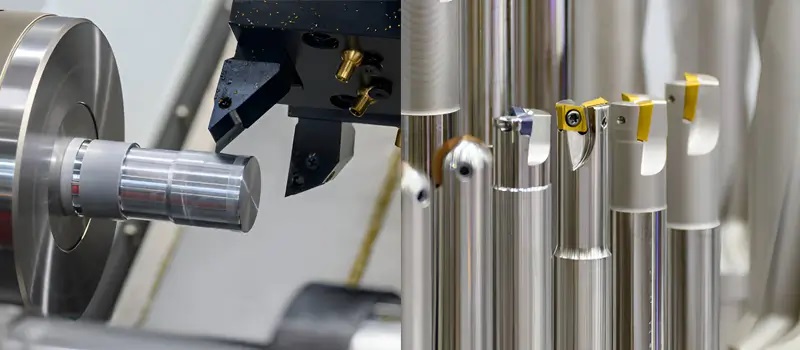
● Turning Tools: Turning tools are primarily configured to cut external angles and to produce beveled surfaces. Shaping tools are necessary for both tapering or shaping the outside diameter of a workpiece. We have a large inventory of carbide-tipped turning tools, which are well known for their resistance to wear and tear as well as their high-speed performance precision. These tools guarantee smooth and precise cuts, which makes them the best option for external tapers or bevels.
● Boring Bars: For internal angles, boring bars are applied to reach inside a workpiece and cut tapers or angles. Our boring bars come in different dimensions and are suitable for heavy-duty applications where they can cut the hardest materials without any problem. They are optimal for the creation of internal tapers or bore angling with great precision, especially in hard-to-machine materials.
● Chamfering Tools: Chamfer tools come into play when making edges that have a bevel on a workpiece. Besides, such tools are the ones that are programmable to CNC lathes for chamfering edges automatically during the cutting cycle. Chamfering has the dual advantage of enhancing the visual appeal and strengthening the components, especially when the sharp edges have to be removed or softened.
What Is The Specific Effect Of The Lathe Tool Angle On The Cutting Force And Cutting Surface Quality?
The cutting tool's rake angle has a great effect on both the force and the surface finish quality of cutting action. Here are the ways in which different angles influence these outcomes:
● Cutting Force:The rake angle is the main factor influencing the cutting force intensity. A positive rake angle on the other hand, reduces the force by the provision of the machine with thinner and consequently, more manageable chips. This way the operation becomes smoother, wear on the tool is less, and it consumes less power. Meanwhile, a negative slope amplifies the cutting force, which is the cut & squats effect on tougher materials but which also creates more heat and stresses the cutting tool. By choosing the proper rake angle according to the hardness of the material, the best machining may be obtained with less force required.
● Surface Quality: The geometry of the tool also has a direct influence on the quality of the surface of the workpiece. A tool with a large rake angle generally yields a more polished surface because of the fact that it produces smaller chips and therefore less friction while it is cutting. Conversely, tools having small rake angles or high cutting edge angles might scratch the surface due to more chip resistance and cutting force. The clearance angle, in addition, keeps the same tool clear from actually contacting the surface. This would cause a finish that lacks durability.
Common Malfunctions when Angle Cutting: Diagnosis and Fix
Though CNC lathes are problematic, they are nevertheless very efficient and accurate for angle cutting. Here are some problems you need to know when you are working with CNC lathes :
● Tool Wear: It will create an inaccuracy to cut when the cutter is blunt. On the opposite side of the spectrum, our CNC machines have incorporated tool monitoring systems that fairly promptly alert the operator when something is wrong.
● Inaccurate Angle Cuts: This is either due to mistakes in the program or the movement of the equipment while cutting the material. The CNC system we use has invented precision calibration functions enabling it to be a whole entity with the specific program that is telling it to give the angle you want.
● Surface Finish: In case of a rough surface on angle it can be partly due to very high travel velocities and very low tool settings. Done by carefully adjusting the travel and feed rates the CNC lathe is used to mold smooth and final surfaces.
Optimizing Angle Cutting: Best Practices
A CNC lathe is a versatile tool for cutting angles, and although it requires the correct tools, it also needs the right approach to make the process precise, efficient, and of a high standard. Here are some best practices to help optimize your angle-cutting operations:
● Use the Correct Tools: Selecting the appropriate cutting tool is the main step for achieving precise angles as well as being clean. For external angles, the use of turning tools that are of high quality is recommended, while for internal angles boring bars that are suited both for the material and the type of cut should be used. Chamfering tools are the tools for the beveled edges. Every tool is made for specific tasks, so be sure to pair the right tool with the material and the angle specifications. The toolkits we have that are CNC-compatible include a vast collection of carbide-tipped turning tools, boring bars, and chamfering tools, all optimized for angle cutting.
● Fine-Tune CNC Programming: Correct programming is the key to the accurate cutting of the angles. Make sure that G-codes are precisely entered to define the angle, feed rate, speed, and depth of the cut. Slight mistakes in the programming can make the machine cut the wrong way, thus, spending much time and material. Our CNC machines are supplied with state-of-the-art programming interfaces which make it easy to set the correct parameters, and thus you get the precise angle you need.
● Maintain Proper Workholding: Proper workholding is the key to regularly maintaining the cutting operation's precise quality of a workpiece. Whether you're using a chuck, collet, or faceplate, ensure that the workpiece is firmly held to prevent any movement during operation. The workpiece can be any object in the vicinity and the workplace can be a shifted one that is inclined or tilted causing inaccurate angles and surface finish problems.
● Monitor Tool Wear: Monitor the wear of tools by inspecting them frequently. Cutting tools that are not sharp enough or are damaged can be responsible for poor cutting quality, roughness of the surface, and incorrect positioning. To guarantee smooth processing, our CNC machines are equipped with tool wear monitoring systems that warn operators when it's time to replace the tools.
By implementing these best practices, you can make the CNC angle-cutting process more efficient, waste-free, and have more precision.
Conclusion
In conclusion, The implementation of CNC technology in lathe work for cutting angles is now more than ever more accurate, efficient, and consistent. By utilizing our proven CNC lathes and toolkits, machinists can perform precise angle cuts on any material ranging from soft plastic to hardened metals. If you are a novice in CNC machining or want to upgrade your existing setup, our CNC products are suitable for angle-cutting tasks.
Hydraulic alligator shearsare essential in various industrial fields such as scrap metal processing and manufacturing.
Regular maintenance is essential to ensure the life and effectiveness of key components. This article provides a detailed guide on maintaining and servicing the main components of hydraulic alligator shears.
1. Maintaining the cutting blade
Regular inspection and sharpening: Regularly check the blade for dullness or damage. Sharpen the blade as needed to ensure smooth cutting and relieve stress on the machine.
Replacement: If the blade is excessively worn or damaged, replace it in time to avoid affecting the efficiency and safety of the machine.
2. Press cylinder
The press cylinder is responsible for the driving force of the shear to cut the material.
Seal inspection: Frequently check the hydraulic seal for wear or leakage. If necessary, replace the seal to prevent fluid leakage and maintain pressure.
Rod condition: Check for wear, corrosion or misalignment on the cylinder rod. A damaged rod can lead to inefficient operation and safety hazards.
3. Press plate
The press plate holds the material in place during the cutting process.
Alignment check: Make sure the press plate is aligned with the cutting blade for optimal performance.
Surface inspection: Check regularly for any cracks or wear, and repair or replace the platen if it is damaged.
4. Motor
The motor powers the hydraulic pump and needs to be checked regularly to ensure it is operating efficiently.
Cooling system: To prevent overheating, keep dust and debris out of the motor's cooling system.
Electrical connections: Check all electrical connections for signs of wear or corrosion. Secure any loose connections and replace damaged wires or components.
5. Valves
The pressure and flow of the hydraulic oil are managed through hydraulic valves.
Operational testing: To ensure the valves are operating properly, test them regularly. Be alert for unusual sounds that may indicate potential problems.
Cleaning: Keep the valves clean and free of debris buildup that can cause the valves to stick or malfunction
6. Cutting cylinders
Like press cylinders, cutting cylinders are used for cutting, so similar care is required.
Leakage checks: Make sure the hydraulic oil level is correct and perform regular leak checks.
Pressure tests: Check the hydraulic pressure in the cutting cylinder regularly to ensure it meets the specifications required for efficient operation.
7. Pumps
The machine's hydraulic oil must move, so a hydraulic pump is needed.
Oil Level and Quality: Check the hydraulic oil level regularly and top up as needed. Replace the oil if it is contaminated.
Pump Inspection: Listen for noise changes and check for vibrations, which may indicate wear or misalignment.
8. Electric Box
The electric box contains the electrical components that control the machine.
Moisture and Dirt: Make sure the electric box is free of moisture and dirt, which can cause electrical failures.
Component Inspection: Frequently check all components inside the electric box for signs of wear or damage. Replace any damaged components immediately.
9. Oil Tank
The oil tank stores the hydraulic oil required for the machine to operate.
Cleanliness: Keep the oil tank clean and ensure that the oil is not contaminated by debris or water, which can damage the hydraulic system.
Gaskets and Seals: Check the seals and gaskets that attach to the oil tank for signs of degradation or perforation and replace them accordingly.
10. General Maintenance Tips
Routine Cleaning: Clean the entire machine regularly to prevent the accumulation of debris and dirt, which can affect the operation of the machine and cause premature wear.
Lubrication: Apply lubricant to moving parts as directed by the manufacturer to ensure seamless function.
Regular maintenance is essential to the life, efficiency and safety of hydraulic alligator shears. Regular inspection and maintenance of components such as cutting blades, cylinders, motors and valves prevents breakdowns and optimizes performance.
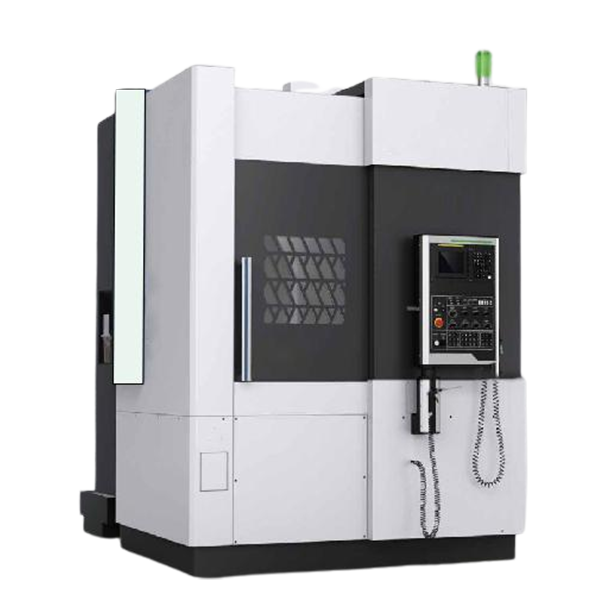
In the world of manufacturing, precision and efficiency are paramount. As technology continues to advance, machines such as the CNC Vertical Machining Center (VMC) have become indispensable for industries seeking reliable and accurate machining solutions. In this article, we will explore the capabilities of the VMC, with a particular focus on the China-made Quad-Head Spindle Machining Center VMC Machine YSD4-260.
The Versatility of CNC Vertical Machining Centers
CNC Vertical Machining Centers are versatile machines that offer a wide range of applications, making them an ideal choice for various industries. These machines are specifically designed to handle tasks such as milling, drilling, and cutting materials with unparalleled precision. With their vertically oriented spindles, VMCs can effortlessly perform intricate operations on workpieces, resulting in products of exceptional quality.
High-Quality Performance: China Vertical Machine Center
When it comes to CNC Vertical Machining Centers, Chinese manufacturers are making significant strides in the market. The China Vertical Machine Center, renowned for its exceptional performance, has proven its mettle in fulfilling the demands of today’s manufacturing industry. With a keen focus on accuracy, reliability, and durability, the China Vertical Machine Center embraces the latest technological advancements, offering an impressive range of features and functionalities.
Quad-Head Spindle Machining Center VMC Machine YSD4-260
One notable example of China’s expertise in the field is the Quad-Head Spindle Machining Center VMC Machine YSD4-260. This cutting-edge machine exemplifies the pinnacle of precision and efficiency in vertical machining. Equipped with four spindles, the YSD4-260 enhances productivity by allowing simultaneous operations on multiple workpieces. Its advanced control system ensures smooth operation while maintaining unrivaled precision, making it a game-changer for industries that demand high-quality output within strict timelines.
Unmatched Advantages of Vertical CNC Machining Centers
Vertical CNC Machining Centers bring an array of advantages to the table, making them a preferred choice for manufacturers across the globe. Here are some key benefits:
Enhanced Efficiency: Vertical orientation allows easier access to workpieces, reducing the time required for tool changes and increasing overall efficiency.
Improved Accuracy: With their rigid construction and high-precision components, VMCs ensure exceptional accuracy, resulting in high-quality finished products.
Versatile Operations: VMCs excel at a variety of operations, including contouring, contour milling, drilling, tapping, and more, offering versatility in manufacturing processes.
Elevating Manufacturing Capabilities with Vertical Machining Centers
In this age of automation and precision-driven manufacturing, Vertical Machining Centers have become indispensable tools for boosting productivity and quality. Whether it’s the standard CNC Vertical Machining Center or the China-made Quad-Head Spindle Machining Center VMC Machine YSD4-260, these machines exemplify the epitome of precision and efficiency.
As industries evolve and demand more complex and intricate components, the role of VMCs in manufacturing processes will only continue to grow. With their unmatched capabilities and the constant technological advancements in the field, Vertical Machining Centers are paving the way for a new era of precision machining.
Exploring the Advantages of the Single Jersey Knitting Machine
As the textile industry continues to evolve, advanced machinery plays a critical role in increasing productivity and ensuring high-quality fabric production. One such indispensable machine is the single jersey knitting machine. This innovative equipment is designed to produce single jersey fabrics, a type of lightweight and stretchy knit that is widely used in t-shirts, sportswear, casual clothing, and more. In this blog, we will explore the key features and advantages of the Single Jersey Knitting Machine, highlighting why it has become a favorite among manufacturers worldwide.
Key Features of the Single Jersey Knitting Machine
High Efficiency and Speed This mchine is renowned for its ability to produce large quantities of fabric at an impressive speed. With advanced technology, it ensures that production lines can operate smoothly and consistently, meeting the demands of large-scale manufacturing. This high-speed performance directly translates to reduced lead times and faster market deliveries.
Precision in Fabric Production One of the standout features of this machine is its ability to produce uniform and high-quality fabrics. The machine uses precision needles and cutting-edge mechanisms that ensure the knitted fabric has a consistent texture, uniform stitches, and minimal defects. This precision is crucial in maintaining fabric quality, especially for industries where the slightest variation can impact the final product.
Versatility in Yarn Compatibility The basic jersey knitting machine is highly versatile when it comes to working with different types of yarn. Whether it’s cotton, polyester, spandex, or blended materials, this machine can handle a variety of yarns with ease. This flexibility is a significant advantage for manufacturers who need to produce a diverse range of products with different fabric compositions.
Ease of Operation and Maintenance The machine is designed with user-friendliness in mind. It is equipped with an intuitive control system that allows operators to easily adjust settings for different fabric requirements. Additionally, the basic single jersey machine is built with durable components that require minimal maintenance, reducing downtime and operational costs.
Energy Efficiency In today’s environmentally conscious world, energy efficiency is a critical factor in manufacturing. The knitting machine is engineered to consume less energy while delivering top-notch performance. This not only helps reduce the carbon footprint but also lowers operational costs, making it an economically sound choice for manufacturers.
Benefits of Using a Single Jersey Knitting Machine
Cost-Effective Fabric Production The combination of speed, efficiency, and minimal maintenance makes the machine a cost-effective solution for fabric production. It enables manufacturers to produce high volumes of fabric without compromising on quality, ultimately leading to greater profitability.
Enhanced Fabric Properties Fabrics produced on a single jersey knitting machine are known for their lightweight and breathable characteristics. These properties make them ideal for garments that require comfort and flexibility, such as casual wear and sports apparel. The fabric also has excellent stretch and recovery, ensuring a good fit and long-lasting wear.
Customization Options With the flexibility to work with different yarn types and the ability to adjust machine settings, manufacturers can easily customize the fabric to meet specific requirements. This makes the single jersey knitting machine ideal for producing everything from basic t-shirts to more complex designs with intricate patterns or unique textures.
Consistent Quality Control The precision engineering of this machine ensures that each fabric roll maintains the same high standards of quality. This consistency is vital for brand reputation, as it ensures that end products meet the expectations of both consumers and retailers.
Adaptability to Market Trends The textile industry is dynamic, with trends and consumer demands constantly changing. The single jersey knitting machine offers the adaptability manufacturers need to keep up with these trends. Whether the demand is for organic cotton fabrics or performance-enhancing synthetic blends, this machine can adjust to the evolving needs of the market.
The single jersey knitting machine stands out as a critical asset in the textile industry, offering numerous advantages in terms of speed, precision, versatility, and cost efficiency. Its ability to produce high-quality fabrics that cater to a wide range of uses—from casual clothing to sportswear—makes it an essential tool for manufacturers. With its ease of operation, energy efficiency, and capacity for customization, this machine is a valuable investment that helps businesses stay competitive in a fast-paced industry.
As demand for comfortable and versatile fabrics continues to grow, the single jersey knitting machine offers manufacturers a reliable solution to meet market needs efficiently and effectively. By investing in this advanced knitting technology, manufacturers can ensure they remain at the forefront of fabric innovation while keeping production costs in check.
Essential Accessories and Spare Parts for Single and Double Jersey Machines
The cam is a critical component in circular knitting machines, influencing the movement of needles and controlling the fabric's pattern. When it comes to maintaining the efficiency and longevity of your knitting machines, understanding the importance of accessories and spare parts for cam systems is essential, particularly for single and double jersey circular knitting machines.
The Role of Accessories and Spare Parts in Knitting Machine Performance
Like any mechanical equipment, circular knitting machines require routine maintenance, and the replacement of worn-out parts is inevitable over time. Accessories and spare parts, such as cams, needles, sinkers, and feeders, ensure that the machine runs smoothly, producing high-quality fabrics with consistent texture and patterns. Replacing faulty parts not only extends the life of the machine but also enhances production efficiency.
High-quality accessories and spare parts designed for circular knitting machines can help prevent machine breakdowns and reduce downtime, thereby saving costs in the long run. Whether you're operating a single jersey or double jersey circular knitting machine, ensuring that you have the right parts at hand is crucial for uninterrupted operations.
Single Jersey Circular Knitting Machine Parts
Single jersey circular knitting machines are widely used for producing lightweight, stretchable fabrics such as t-shirts, sportswear, and casual clothing. These machines require precise cam systems to control needle movement, making the selection of the correct cam parts a priority. Using compatible spare parts helps maintain uniformity in fabric production and prevents issues like skipped stitches or irregular patterns.
Some key accessories and spare parts for single jersey knitting machines include:
Cylinder Cams: These control the up and down movement of the needles, influencing fabric quality.
Sinkers: Sinkers ensure proper fabric hold-down during knitting, impacting the overall smoothness and elasticity.
Needles and Needle Beds: Ensuring high-quality needle movement and proper spacing is crucial for creating uniform single jersey fabrics.
Double Jersey Circular Knitting Machine Parts
Double jersey circular knitting machines are versatile, capable of producing fabrics with greater thickness, texture, and durability compared to single jersey machines. These machines are often used to create structured fabrics such as rib, interlock, and double-knit fabrics found in sportswear, outerwear, and more.
Given the complexity of double jersey knitting, accessories and spare parts for these machines must handle more intricate fabric structures. Key spare parts include:
Dial Cams: In addition to cylinder cams, dial cams are used in double jersey machines to control needles for producing both front and back loops in fabrics, offering more variety in design and texture.
Sinker Cams: Special cams are used to drive the sinkers, aiding in double-layer knitting without compromising the fabric’s strength or flexibility.
Double-Sided Needle Beds: These accommodate the production of thicker, more complex fabrics by allowing the machine to create stitches on both sides of the fabric.
Importance of Choosing the Right Accessories and Spare Parts
Regardless of whether you're operating a single jersey or double jersey circular knitting machine, investing in high-quality accessories and spare parts will have a lasting impact on machine performance and fabric quality. Here are a few tips to consider when sourcing parts:
Compatibility: Ensure that the accessories and spare parts you choose are compatible with your specific model of knitting machine.
Durability: High-quality materials, such as stainless steel for cams or premium-grade needles, provide better wear resistance, ensuring that your machine runs smoothly for longer periods.
Maintenance: Regularly inspect the cam systems and other critical components to avoid unnecessary wear and tear. Replace parts as soon as signs of damage appear to prevent more severe mechanical failures.
Cam circular knitting machines play a vital role in fabric production, whether you're working with single jersey or double jersey fabrics. Having the right accessories and spare parts on hand ensures consistent machine performance and fabric quality. By choosing durable, compatible parts, you can maintain the efficiency and productivity of your knitting operations, avoiding costly downtime and repairs.
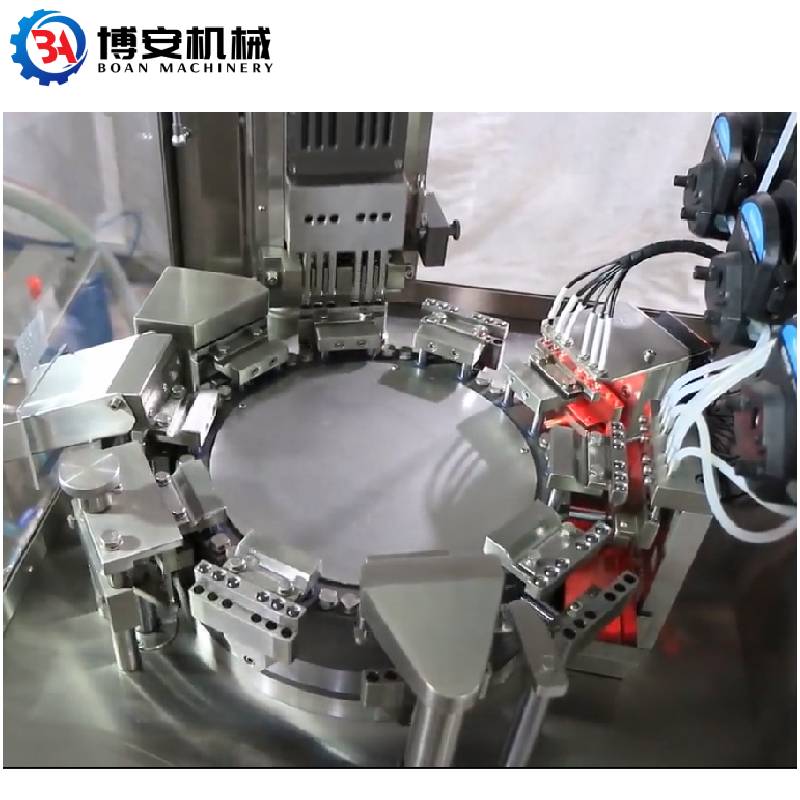
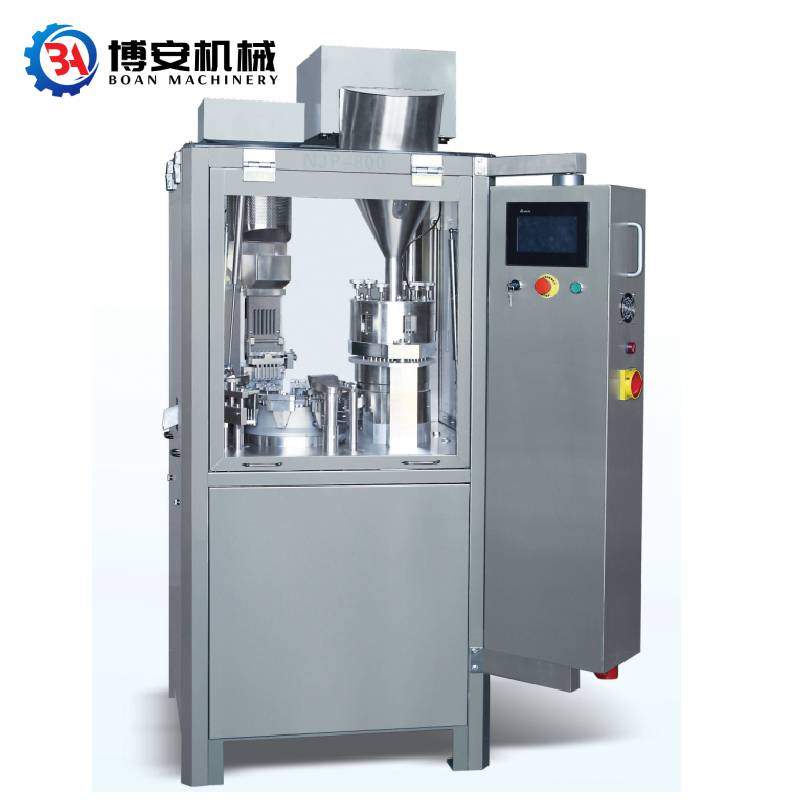
In the veterinary industry, the demand for effective medication delivery systems has led to the development of specialized liquid and oil capsule filling machines. These machines are designed to cater to the unique needs of veterinary pharmaceuticals, ensuring accurate and efficient filling of liquid capsules.
Key Features and Benefits
1. Accurate Dosage:
Capsule filler for liquid and oil ensure accurate dosage of the liquid drug in each capsule, reducing differences in therapeutic efficacy due to uneven dosage. This precision is crucial for ensuring that animals receive the correct amount of medication.
2. Improved Bioavailability:
liquid capsule are generally more readily absorbed by animals than solid drugs, especially for medications that require a rapid onset of action. The liquid form accelerates the release and absorption of the drug, enhancing its effectiveness.
3. Versatility and Flexibility:
liquid capsule filling machine can handle a variety of liquid medications, including oils, nutritional supplements, and herbal extracts. This versatility allows manufacturers to adapt to different veterinary needs and formulations.
4. Reduced Bitterness and Irritation:
One significant advantage of veterinary pharmaceuticals capsule filling machine is their ability to effectively mask the bitter or irritating taste of medications. This makes them more palatable to animals, thereby improving medication compliance and overall treatment success.
5.Enhanced Stability:
Veterinary industry capsule filling machine protect sensitive ingredients from environmental factors, improving the stability and shelf life of the drug. This is particularly important for veterinary pharmaceuticals that may contain volatile compounds.
6. Automated Production:
Modern liquid capsule machines are often equipped with automation features that increase production efficiency, reduce labor costs, and minimize human error. This automation streamlines the manufacturing process, allowing for higher output and consistency.
7. Easy to Store and Transport:
Liquid capsules are relatively small and compact, making them easy to store and transport. This also helps reduce the use of packaging materials, contributing to more sustainable practices in the veterinary pharmaceutical industry.
8.User-Friendly Design:
Veterinary industry capsule filling machine feature a simple design and user-friendly operator interface, making them easy to use and maintain for staff at veterinary drug manufacturers. This ease of operation ensures that personnel can efficiently manage the filling process.
Conclusion
Through these advantages, the veterinary pharmaceuticals capsule filling machine can significantly improve production efficiency, ensure drug quality, and meet the diverse needs for veterinary drugs. By leveraging the benefits of accurate dosage, improved bioavailability, and user-friendly operation, these machines play a vital role in enhancing the overall effectiveness of veterinary treatments.
Typically designed for high-volume production, capable of filling thousands of capsules per hour (often ranging from 20,000 to 100,000 capsules or more, depending on the model).
Factors Influencing Throughput:
1. Machine Design: The complexity and efficiency of the machine's design directly impact speed and capacity.
2. Filling Mechanism: Advanced filling mechanisms (e.g., vacuum or pressure systems) can enhance speed and accuracy.
3. Automation Level: Higher automation reduces downtime and speeds up the overall process.
4. Material Properties: The flowability and consistency of the filling material can affect how quickly capsules are filled.
5. Maintenance and Downtime: Regular maintenance and fewer breakdowns lead to higher throughput.
Generally have a lower production capacity, often filling hundreds to a few thousand capsules per hour (typically ranging from 1,000 to 20,000 capsules).
Factors Influencing Throughput:
1. Operator Skill: The efficiency and experience of the operator can significantly affect the speed of production.
2. Manual Steps: More manual steps in the filling process lead to slower production rates.
3. Batch Size: Smaller batch sizes may require more setup time per batch, affecting overall throughput.
4. Material Handling: The ease of loading and unloading materials can impact the speed of operation.
5. Machine Configuration: Simpler designs may be easier to operate but may not achieve the same speeds as more complex machines.
Influencing Factors: Factors such as machine design, operator skill, material properties, and maintenance practices play crucial roles in determining the production capacity and efficiency of both types of machines.
Are you looking for reliable lighting solutions to illuminate your workspace? Look no further than the exceptional range of 9m hydraulic diesel light towers, 8m mast portable light towers, 7m mast mobile light towers, tower lights powered by diesel generators, 1000w 4 metal halide lamps tower lights, and 350w4 led lamps tower generators. These advanced lighting systems are designed to provide optimum illumination while ensuring portability and ease of use.
Versatility at Its Best
When it comes to lighting large areas, the 9m hydraulic diesel light tower is the perfect choice. With its impressive height, it effectively illuminates construction sites, outdoor events, and even emergency situations. Designed with a sturdy and stable base, this tower offers reliable lighting in any location.
For more flexibility, the 8m mast portable light tower proves to be an ideal solution. This compact and portable tower is easy to transport, making it suitable for smaller work areas or when you need lighting on the go. Its adjustable mast height ensures you can tailor the lighting according to your specific needs.
In need of a mobile lighting solution that can be easily moved around? The 7m mast mobile light tower is the answer. Whether you’re working on a road project, nighttime maintenance, or even filming, this tower provides excellent lighting while keeping mobility in mind. Its compact design allows for easy transportation on various terrains.
Introducing Diesel-Powered Tower Lights
Power and reliability are two significant factors when considering lighting solutions. In this regard, the tower lights powered by diesel generators offer exceptional performance. With the ability to run continuously for extended periods, these tower lights ensure uninterrupted lighting even in remote areas where access to electricity is limited.
The 1000w *4 metal halide lamps tower lights are designed to provide unparalleled brightness. These lamps emit a powerful, white light that closely resembles natural daylight, making them ideal for construction sites, sports events, or any area where high visibility is crucial.
If energy efficiency is a priority, the 350w *4 led lamps tower generators are your go-to option. These tower lights not only consume less power but also offer an extended operational life. The efficient LED technology ensures bright illumination while reducing energy costs and minimizing maintenance requirements.
Conclusion
When it comes to choosing the right lighting solution, the range of 9m hydraulic diesel light towers, 8m mast portable light towers, 7m mast mobile light towers, tower lights powered by diesel generators, 1000w 4 metal halide lamps tower lights, and 350w4 led lamps tower generators have got you covered. Their versatility, portability, and reliability make them the ideal choice for any project or event. Illuminate your workspace with confidence and maximize productivity with these high-performance lighting systems.