About casting-quanzhou jingda machinery co.,ltd gravity casting machine core shooter machine

The Art and Science of Casting: A Deep Dive into an Ancient Craft


Casting is one of the oldest manufacturing processes known to humanity, and it remains a cornerstone of modern industry. From ancient sculptures to contemporary machinery parts, casting has played a pivotal role in shaping the world around us. In this blog, we’ll explore the fascinating world of casting, its historical significance, modern applications, and the intricate science behind this timeless craft.


A Brief History of Casting


Casting dates back to ancient civilizations, where artisans used simple techniques to create objects from metals. The earliest evidence of casting can be traced to the Bronze Age (around 3300–1200 BC), where the lost-wax casting method was used to produce intricate jewelry and tools. The ancient Egyptians, Greeks, and Chinese all utilized casting techniques to create everything from statues to weaponry.


The lost-wax method, or cire-perdue, involves creating a model of the object in wax, encasing it in a mold, and then heating it until the wax melts away, leaving a cavity into which molten metal is poured. This method allowed for the production of detailed and complex shapes that were previously unimaginable.


 How Gravity Casting Machine Works: The Basic Process


At its core, casting involves three main steps: preparing the mold, melting the material, and pouring the molten metal into the mold. Here’s a closer look at each step:


1. Mold Preparation**: The first step in casting is creating a mold that defines the shape of the final product. Molds can be made from various materials, including sand, clay, or metal. For complex designs, multiple-part molds or patterns are used. In some cases, especially in modern casting, molds are created using advanced technologies like 3D printing.


2. Melting the Material**: The material to be cast, often metal, must be heated to its melting point. Different metals have different melting points; for instance, aluminum melts at around 660°C (1220°F), while steel melts at about 1370°C (2500°F). Furnaces or other heating equipment are used to achieve these high temperatures.


3. Pouring and Cooling**: Once the material is molten, it is poured into the prepared mold. The molten metal fills the cavity of the mold and takes on its shape as it cools and solidifies. The cooling process must be controlled carefully to avoid defects such as cracks or uneven solidification.


Types of Casting Techniques


There are several casting methods, each suited to different types of projects:


- Sand Casting**: This is one of the most common and versatile casting methods, ideal for producing large and complex parts. Sand casting involves creating a mold from a mixture of sand and binder, which is then used to form the shape of the final product.


- Die Casting**: Die casting is a high-precision method used for producing detailed and complex shapes, often for small to medium-sized parts. It involves injecting molten metal into a steel mold under high pressure.


- Investment Casting**: Also known as lost-wax casting, this method is used for creating intricate and high-quality parts. The process involves creating a wax model, which is then coated in a ceramic shell. Once the shell is hardened, the wax is melted out, and molten metal is poured into the cavity.


- Continuous Casting**: This technique is used for producing metal bars or billets that are continuously cast from molten metal. It’s commonly used in the steel industry for creating long, uniform sections.


 Modern Applications and Innovations


Casting technology has come a long way since its ancient origins. Today, casting is used in a wide range of industries, including automotive, aerospace, construction, and art. Modern advancements in casting technology, such as computer-aided design (CAD) and 3D printing, have significantly expanded the possibilities for creating complex and precise parts.


- Automotive Industry**: In the automotive sector, casting is used to produce engine blocks, transmission cases, and other critical components. High-strength alloys and precision casting techniques ensure that these parts meet the demanding requirements of modern vehicles.


- Aerospace**: The aerospace industry relies on casting to create components that must withstand extreme conditions. Advanced casting methods, such as investment casting, are used to produce turbine blades and other high-performance parts.


- Art and Sculpture**: Casting remains a popular technique for creating sculptures and art pieces. Modern artists use both traditional and innovative casting methods to bring their visions to life, often experimenting with new materials and techniques.


Casting is a remarkable blend of art and science, a testament to human ingenuity and craftsmanship that has evolved over thousands of years. Whether it’s creating intricate jewelry or producing high-strength components for advanced machinery, casting continues to play a vital role in our world. As technology progresses, the possibilities for casting are expanding, promising even more innovations and applications in the future. 


Understanding the principles and techniques of casting not only gives us insight into a crucial manufacturing process but also connects us to the rich history of human creativity and technological advancement.
Delta Pick and Place Robot Revolutionizing Robotic Sorting and Baking Picking And Placing

In the rapidly advancing world of automation, there is one solution that stands out for its exceptional performance in sorting tasks within the baking industry – the Delta Pick and Place Robot Parallel Delta Robot Industrial. With its unique features and benefits, this cutting-edge technology is revolutionizing the way we approach robotic sorting and picking in the baking world.

Unmatched Precision and Speed

The Delta Pick and Place Robot is renowned for its unparalleled precision and lightning-fast speed. Equipped with advanced sensors and intelligent algorithms, it ensures accurate and efficient sorting of baked goods such as bread and cakes. Whether it’s arranging items on a conveyor belt or transferring them from one location to another, this robot excels in every task with remarkable precision and speed.

Flexible and Versatile

With its parallel delta robot design, this innovative machine offers exceptional flexibility and versatility in handling various shapes, sizes, and weights of bakery products. From delicate pastries to sturdy loaves of bread, the Delta Pick and Place Robot adapts effortlessly to different objects, making it perfect for diverse sorting requirements in the baking industry. Its versatile grippers are designed to handle items gently, ensuring minimal damage or deformity during the picking and placing process.

Improved Efficiency and Productivity

Time is of the essence in the baking industry, and the Delta Pick and Place Robot understands this well. By automating the sorting and picking process, it eliminates the need for manual labor, thereby increasing overall efficiency and productivity. With its rapid cycle times and continuous operation, this robot can significantly reduce production times, allowing bakeries to meet higher demands without compromising on quality.

Enhanced Safety Measures

Safety is a top priority in any industrial setting, and the Delta Pick and Place Robot doesn’t disappoint. Equipped with advanced safety features, including collision detection and emergency stop capabilities, this robot ensures a secure working environment for both operators and other machinery. With these measures in place, potential accidents are minimized, providing peace of mind and boosting workplace safety standards.

Cost-Effective Solution

Implementing the Delta Pick and Place Robot brings numerous cost-saving benefits for bakery owners. By streamlining the sorting and picking processes, it reduces labor costs and minimizes errors that can occur with manual handling. Additionally, its energy-efficient design contributes to lower operating expenses, making it an economical choice for businesses looking to optimize their production lines.

Conclusion

The Delta Pick and Place Robot Parallel Delta Robot Industrial is undeniably a game-changer within the realm of robotic sorting and picking in the baking industry. Its unmatched precision, flexibility, and versatility make it the ideal solution for achieving efficient and accurate sorting of bread and cakes. With improved productivity, enhanced safety, and cost-effective operations, this innovative technology is revolutionizing the way we approach bakery automation. Embrace the future of robotic sorting and picking with the Delta Pick and Place Robot!

A Step-By-Step Guide to Using the LEHUI Cummins 63KVA Rental Diesel Generator Set 60HZ

Are you a beginner who needs a reliable power source? Look no further! In this guide, we’ll walk you through the process of using the LEHUI Cummins 63KVA Rental Diesel Generator Set 60HZ. Whether you’re powering your events, construction sites, or emergency backup, this generator set is your perfect companion. Let’s get started!

Step 1: Familiarize Yourself with the Generator

Before using any equipment, it’s crucial to understand its components. The LEHUI Cummins 63KVA Rental Diesel Generator Set 60HZ consists of the following parts:

  • Engine: This is the heart of the generator, responsible for generating power.

  • Alternator: Converts the mechanical energy produced by the engine into electrical energy.

  • Control Panel: Allows you to start, stop, and monitor the generator’s performance.

  • Fuel Tank: Stores diesel fuel to power the generator.

  • Cooling System: Maintains optimal operating temperature for the generator.

Step 2: Perform a Safety Check

Safety should always be your top priority. Follow these steps to ensure a safe environment:

  1. Find a well-ventilated area and ensure the generator is on a level surface.

  2. Check the fuel level to ensure there is enough diesel fuel for your needs.

  3. Inspect the generator for any visible damage or leaks.

  4. Make sure all cables and connections are secure and in good condition.

Step 3: Start the Generator

Now that you’ve completed the safety check, you’re ready to start the generator:

  1. Locate the control panel and turn the key to the “ON” position.

  2. Check the control panel for any error codes or warning lights.

  3. Press the “Start” button and allow the generator to warm up for a few minutes.

Step 4: Connect Your Devices

With the generator up and running, it’s time to connect your devices to the power supply:

  1. Identify the outlets on the control panel suitable for your devices.

  2. Use appropriate cables and connectors to connect your devices to the generator.

  3. Make sure the total power consumption of your devices is within the generator’s capacity.

Step 5: Monitor and Maintain

While the generator is in use, keep an eye on its performance and perform regular maintenance:

  1. Monitor the control panel for any irregularities or error codes.

  2. Check the fuel levels periodically and refill when necessary.

  3. Regularly inspect cables and connections for any signs of wear.

  4. Follow the manufacturer’s guidelines for routine maintenance.

Step 6: Shutdown

When you’re finished using the generator, follow the proper shutdown procedure:

  1. Disconnect all devices from the generator.

  2. Turn the key to the “OFF” position on the control panel.

  3. Allow the generator to cool down before storing it.

Congratulations! You have successfully learned how to use the LEHUI Cummins 63KVA Rental Diesel Generator Set 60HZ. Remember to prioritize safety and perform regular maintenance to keep the generator in top condition.

Disclaimer: This guide provides general instructions. Always refer to the manufacturer’s manual for specific guidelines and safety procedures.

Factory Direct Supply Tin Can Fish Tuna/Sardine Seafood Packaging Production Line - What Makes it Exceptional?

In today’s fast-paced world, where convenience and quality are paramount, the production of canned seafood plays a significant role in meeting the demands of consumers. Two popular choices in the market are tin can fish tuna and sardine, both enjoyed for their versatility and nutritional benefits.

To ensure these seafood delicacies are packaged efficiently and adhere to strict quality standards, manufacturers depend on state-of-the-art production lines. In this article, we will explore the fascinating world of the Tin Can Fish Tuna and Sardine Seafood Packaging Production Line, and understand why factory direct supply is the pinnacle of excellence.

The Tin Can Fish Tuna Production Line

Creating that perfectly canned tuna begins with the intricate Tin Can Fish Tuna Production Line. This advanced assembly system boasts impressive efficiency and precision, guaranteeing every can is filled with premium chunks of tuna. From processing and filleting, to cooking and canning, the production line seamlessly moves through each stage, ensuring top-notch seafood quality.

The Tin Can Fish Tuna Production Line encompasses various essential components. Automated cutting machines accurately slice the tuna into consistent portions, while cleaning machines remove any impurities. Then, the specially designed cooking machinery masterfully cooks the tuna, intensifying its flavor and texture. Finally, the automated canning process ensures that each can is sealed tightly, securing freshness and taste.

The Sardine Seafood Packaging Production Line

Equally important in the seafood industry is the Sardine Seafood Packaging Production Line. This remarkable system handles the delicate sardines with precision, providing a seamless packaging process. From cleaning and canning to labelling and packaging, this line ensures sardines reach consumers in their prime state, ready to satisfy gourmet palates.

The Sardine Seafood Packaging Production Line boasts sophisticated machinery that guarantees optimal results. Elaborate cleaning mechanisms efficiently rid the sardines of scales and impurities, maintaining their pristine condition. The canning process flawlessly seals in the sardines, preserving their rich flavor and nutritional value. Finally, labels are expertly applied, providing crucial information to consumers.

Factory Direct Supply: The Epitome of Excellence

Factory direct supply is the epitome of excellence in the Tin Can Fish Tuna and Sardine Seafood Packaging Production Line. By eliminating intermediaries, manufacturers can ensure that every step of the process meets precise specifications. This streamlined approach allows for unparalleled quality control and customer satisfaction.

Direct supply also enables manufacturers to stay at the forefront of innovation. They can invest in cutting-edge technology, ensuring their production lines remain state-of-the-art. This commitment to advancement guarantees that every can of tin can fish tuna or sardines is packed using the most advanced techniques, resulting in superior quality and taste.

In conclusion, the Tin Can Fish Tuna and Sardine Seafood Packaging Production Line represent the pinnacle of excellence in the seafood industry. Combining superior machinery, intricate processes, and direct supply, manufacturers produce canned tuna and sardines that meet the highest standards. So, the next time you grab a can of these delectable seafood options, remember the remarkable journey it took from the production line to your plate.

Advantages of EPR Spectroscopy

EPR (Electron Paramagnetic Resonance) Spectroscopy, also known as Electron Spin Resonance (ESR) Spectroscopy, is a versatile analytical technique used to study materials containing unpaired electrons. Through careful manipulation of the electron spins EPR spectroscopy can provide valuable insights into molecular structure, dynamics, and electronic properties.

In this blog post, we will delve into the advantages of EPR spectroscopy and its wide range of applications.


Highly sensitive detection:

EPR spectroscopy is extremely sensitive and can detect and characterize paramagnetic species even at very low concentrations. It can identify and quantify trace amounts of free radicals, transition metal ions, and unstable molecular species. This sensitivity makes EPR spectroscopy an invaluable tool for the study of a variety of biological processes such as oxidative stress, enzyme reactions, and DNA damage, as well as for materials research in areas such as physics and materials science.


Structural Information:

EPR spectroscopy provides valuable information about the structure and environment of paramagnetic species. By measuring the g-factor (a dimensionless number representing the spin behavior of electrons) and hyperfine splitting (resulting from electron-nucleus interactions), researchers can infer the electronic structure, bond distances, coordination environments, and magnetic properties of the substance under study. This structural insight is essential for understanding chemical reaction mechanisms and for designing and optimizing catalysts and materials with specific properties.


Dynamic process studies:

EPR spectroscopy can study dynamic processes in a variety of systems. For example, it can probe the motion and dynamics of spin-labeled biomolecules and is used to study protein folding, membrane dynamics, and enzyme dynamics. By monitoring changes in the EPR signal over time, researchers can gain insight into reaction rates, conformational changes, and molecular interactions. The ability to study dynamic processes in real-time makes EPR an important tool in biochemistry and biophysics.


Non-destructive and versatile:

EPR spectroscopy is a non-destructive technique that allows researchers to study samples without altering their integrity or composition. This advantage is particularly important when studying fragile biological samples, where it is critical to maintain the integrity of the sample. In addition, EPR spectroscopy is versatile and applicable to many types of samples, including liquid, solid, gas and biological samples. This versatility allows researchers to address a wide range of scientific questions in different disciplines.


Complementary Techniques:

EPR spectroscopy is often used in conjunction with other analytical techniques such as NMR (Nuclear Magnetic Resonance), X-ray crystallography and mass spectrometry. These complementary techniques allow researchers to correlate structural, electronic, and magnetic information to gain a more complete understanding of chemical systems. By combining EPR spectroscopy with other methods, researchers can characterize complex materials and biomolecules in greater detail and with greater reliability.


EPR spectroscopy plays a vital role in modern scientific research, providing unique insights into the structure, dynamics, and properties of paramagnetic species. Its sensitivity, ability to provide structural information, and non-destructive nature make it an indispensable tool in a wide range of scientific disciplines. Through the continued advancement and application of EPR spectroscopy, we can deepen our understanding of the natural world and devise innovative solutions to complex challenges in fields as diverse as chemistry, biology, and materials science.


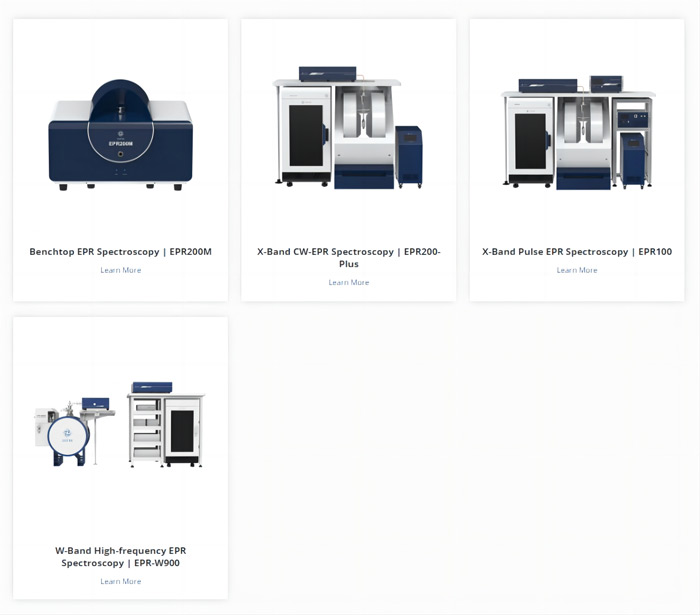
CIQTEK is a leading EPR spectrometer global manufacturer. Its EPR equipment offers high performance at a competitive price, making it an ideal choice for scientists.

Website: https://www.ciqtekglobal.com/


Here are some key advantages of CIQTEK's EPR spectrometers:


1. Affordable Solutions: CIQTEK aims to provide cost-effective EPR spectroscopy equipment without compromising quality. They offer different pricing options to suit various budgets, ensuring researchers get value for their investment.

2. Customizable Configurations: CIQTEK offers flexible EPR instrument setups, which can be tailored to meet specific experimental requirements. Researchers can customize features such as temperature control, multi-frequency capability, advanced spectroscopic techniques (ELDOR and HYSCORE), and compatibility with different sample types (liquids, solids, and biological materials).

3. User-Friendly Interface: CIQTEK's instruments are equipped with intuitive software interfaces, designed to be user-friendly for researchers of all experience levels.

4. Exceptional Customer Support: CIQTEK prioritizes customer satisfaction, providing excellent post-sales support. This includes comprehensive training resources, technical assistance, and access to customer stories and publications, showcasing their global EPR community.

CIQTEK's EPR spectrometers


Application Cases | Application of Field Emission SEM in Electrolytic Copper Foil

High-performance lithium copper foil is one of the key materials for lithium-ion batteries and is closely related to battery performance. With the increasing demand for higher capacity, higher density, and faster charging in electronic devices and new energy vehicles, the requirements for battery materials have also been raised. In order to achieve better battery performance, it is necessary to improve the overall technical indicators of lithium copper foil, including its surface quality, physical properties, stability, and uniformity.


Analysis of microstructure using scanning electron microscope-EBSD technique


In materials science, the composition and microstructure determine the mechanical properties. Scanning Electron Microscope (SEM) is a commonly used scientific instrument for the surface characterization of materials, allowing observation of the surface morphology of copper foil and the distribution of grains. In addition, Electron Backscatter Diffraction (EBSD) is a widely used characterization technique for analyzing the microstructure of metallic materials. By configuring an EBSD detector on a field-emission scanning electron microscope, researchers can establish the relationship between processing, microstructure, and mechanical properties.


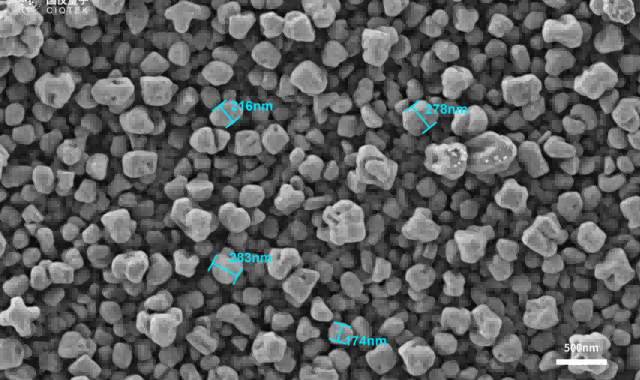
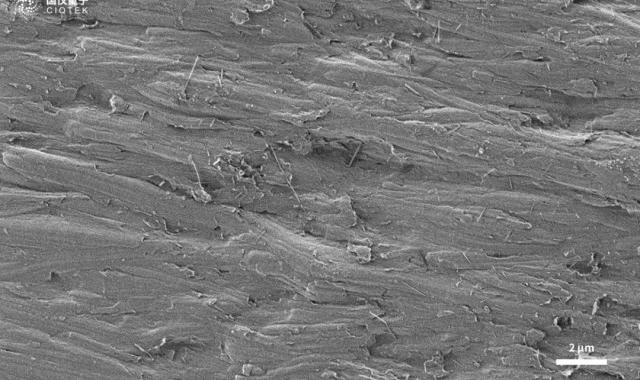
The figure below shows the surface morphology of electrolytic copper foil captured by the CIQTEK Field-emission SEM5000

 CIQTEK Copper Foil Smooth Surface

Copper Foil Smooth Surface/2kV/ETD

Copper Foil Matte Surface/2kV/ETD

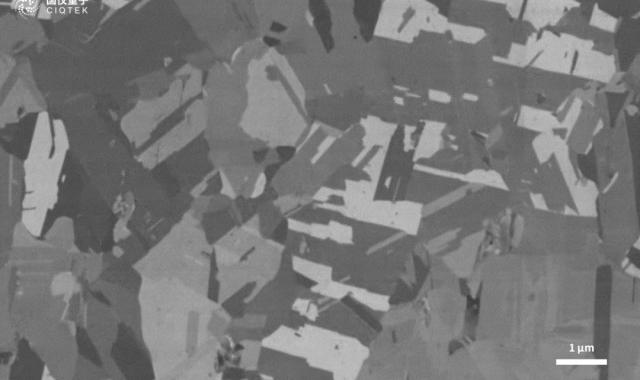
When the sample surface is sufficiently flat, electron channel contrast imaging (ECCI) can be obtained using the SEM backscatter detector. The electron channeling effect refers to a significant reduction in the reflection of electrons from crystal lattice points when the incident electron beam satisfies the Bragg diffraction condition, allowing many electrons to penetrate the lattice and exhibit a "channeling" effect. Therefore, for polished flat polycrystalline materials, the intensity of backscatter electrons depends on the relative orientation between the incident electron beam and the crystal planes. Grains with larger misorientation will yield stronger backscattered electron signals and higher contrast, enabling the qualitative determination of grain orientation distribution through ECCI.


The advantage of ECCI lies in its ability to observe a larger area on the sample surface. Therefore, before EBSD acquisition, ECCI imaging can be used for rapid macroscopic characterization of the microstructure on the sample surface, including observation of grain size, crystallographic orientation, deformation zones, etc. Then, EBSD technology can be used to set the appropriate scanning area and step size for crystallographic orientation calibration in the regions of interest. The combination of EBSD and ECCI fully utilizes the advantages of crystallographic orientation imaging techniques in materials research.


By using ion beam cross-section polishing technology, CIQTEK obtains flat copper foil cross-sections that fully meet the requirements for ECCI imaging and EBSD analysis on scanning electron microscopes.


The figure below shows the characterization of electrolytic copper foil using the CIQTEK Field-emission SEM5000

  CIQTEK Electrolytic Copper Foil Cross-Section ECCI Image

Electrolytic Copper Foil Cross-Section ECCI Image

CIQTEK Electrolytic Copper Foil Cross-Section Orientation Distribution

Electrolytic Copper Foil Cross-Section Orientation Distribution

EBSD technology can not only characterize the grain size and dimensions but also reveal information about the material's texture type, grain boundary proportion, etc. By studying the microstructural evolution of electrolytic copper foil through ion beam sample preparation combined with SEM and EBSD techniques, it is of great significance to evaluate the differences in processing effects, further optimize the electrochemical properties of materials, improve battery cycle life, and even promote the development of lithium-ion battery technology.

Comparing and Contrasting Block Collecting Machines Which One Is Right for You?

If you’re in the market for a block collecting machine or a brick collecting machine, you may find yourself overwhelmed with the various options available. From manual machines to fully-automatic ones, the choices can be confusing. In this article, we will compare and contrast different types of block and brick collecting machines to help you make an informed decision.

Manual Block Collecting Machine

A manual block collecting machine is the most basic option available. It requires human intervention to operate, as the name suggests. Although these machines are more affordable initially, they can be time-consuming and are suitable for small-scale operations. They require manual labor and limited automation.

Automatic Block Collecting Machine

For those looking for more efficiency and productivity, an automatic block collecting machine is a better choice. These machines feature automated mechanisms that collect blocks or bricks without the need for constant manual assistance. With increased speed and reduced labor requirements, these machines are suitable for medium-scale operations.

Fully-Auto Block Collecting Machine

Taking automation a step further, fully-auto block collecting machines offer a higher level of convenience and efficiency. These machines work seamlessly with the block production line, automating the entire process from forming to collecting. Fully-auto machines are ideal for large-scale operations, as they can significantly increase productivity while saving on labor costs.

Manual Brick Collecting Machine

Similar to the manual block collecting machine, a manual brick collecting machine is operated manually and best suited for smaller projects. While it may be less expensive upfront, it requires more human intervention and may not be suitable for larger brick production requirements.

Automatic Brick Collecting Machine

An automatic brick collecting machine combines the benefits of automation with the specific requirements of brick production. These machines offer efficient, hands-free brick collection, reducing labor and increasing productivity. They are suitable for medium-scale brick production projects.

Fully-Auto Brick Collecting Machine

When it comes to large-scale brick production, a fully-auto brick collecting machine is the way to go. With complete automation and integration into the brick production line, these machines maximize efficiency and output, making them ideal for large-scale brick manufacturing operations.

In conclusion, choosing the right block or brick collecting machine depends on the scale of your operation. For small-scale projects, a manual machine may suffice. If you require increased productivity, an automatic machine is a better choice. For large-scale operations, fully-auto machines offer the highest level of automation and efficiency. Consider your production requirements and budget to make the best choice for your needs.

What is The Spray Rating Tester For Protective Clothing GT-C31

What is The Spray Rating Tester For Protective Clothing GT-C31


In industries where protective clothing is essential, ensuring the garments' water resistance plays a crucial role in determining their durability and effectiveness. The Spray Rating Tester For Protective Clothing GT-C31 is a vital tool in evaluating the water repellency of protective fabrics. It simulates real-world conditions by spraying water onto textile samples to assess their surface wetting resistance. This article will explore the importance of water repellency testing in protective clothing and provide an in-depth overview of the Spray Rating Tester GT-C31.

Importance of Water Repellency in Protective Clothing
Protective clothing is widely used in sectors such as healthcare, firefighting, industrial work, and outdoor professions where exposure to water, chemicals, and hazardous substances is frequent. The ability of the fabric to repel water is critical because it ensures the wearer's safety by keeping harmful liquids at bay. The Spray Rating Tester GT-C31 provides an efficient method for determining how well fabrics perform in preventing surface wetting, which is especially important for garments exposed to rain or chemical splashes.

Understanding the Spray Rating Tester GT-C31
The Spray Rating Tester GT-C31 is designed specifically to simulate light rain conditions, allowing manufacturers and quality control professionals to measure fabric performance in repelling water. The tester uses a precise method to evaluate surface wetting by spraying water on a sample fabric at a controlled angle and height, as specified in international standards.


Step-by-Step Process of Spray Rating Testing
To understand how the Spray Rating Tester GT-C31 works, let’s break down the test procedure into its key steps:

Step 1: Sample Preparation
Begin by preparing a 180mm x 180mm textile sample. The textile should be representative of the material used in protective clothing to ensure accurate results. Once ready, the sample is installed on the fixture to secure it in place for testing.

Step 2: Securing the Sample
The fixture with the textile sample is then fixed on the 45° test station. This angle ensures that water is sprayed in a manner that mimics natural rain hitting the fabric surface.

Step 3: Funnel and Baffle Placement
A test funnel is placed in the fixed ring above the fixture, and a baffle plate is positioned in the center of the funnel. The baffle ensures that the water is distributed evenly across the textile sample during the test.

Step 4: Measuring Distance
Next, measure the distance between the bottom of the funnel and the sample surface. The prescribed distance is 150mm, but this height can be adjusted based on specific testing requirements.

Step 5: Water Application
Pour 250ml of distilled water into the funnel. The spray time is crucial and should fall between 25 and 30 seconds to ensure consistent results. The controlled flow rate replicates rain conditions that the protective clothing may encounter in the real world.

Step 6: Evaluation of Results
Once the test is completed, remove the textile sample from the fixture and compare it against the standard rating cards. These cards help in assessing the water repellency of the sample based on the degree of surface wetting observed.


Why Choose the Spray Rating Tester GT-C31?
The Spray Rating Tester GT-C31 offers a reliable and standardized method to evaluate water repellency in protective fabrics. It is widely used by manufacturers, research institutions, and testing laboratories due to its precision, ease of use, and adherence to international standards such as ISO and AATCC.

1. Precise Measurements: The Protective Clothing Spray Rating Tester  ensures that each test is conducted under controlled and consistent conditions, leading to accurate and reliable results.

2 .Standardized Testing: It complies with international standards for water repellency testing, making the results widely accepted across industries.

How to Operate the GT-LB06A Chair Front Stability Testing Machine

The GT-LB06A Chair Front Stability Testing Machine is a specialized device designed to evaluate the forward stability of chairs, ensuring they can withstand everyday use. This article provides a comprehensive guide on how to operate the Chair Front Stability Testing Machine effectively, along with insights into its importance in product testing.


Introduction to the GT-LB06A Chair Front Stability Testing Machine
The GT-LB06A Chair Front Stability Testing Machine is engineered to simulate the forces that a chair might encounter during normal usage. By understanding how to use this machine, manufacturers can ensure their products are safe and stable.

Step-by-Step Operation Guide

1. Preparation

Before beginning the testing process, make sure that you have the following:

2. Setting Up the Machine
2.1 Connect the Power Supply:
Plug the machine into a suitable power outlet.
Turn on the power switch to initiate the machine’s operation.

2.2 Marking the Chair:
Take the chair you wish to test and mark the position of the loading point 60mm from the edge. This step is crucial for accurate testing, as it indicates where the force will be applied.

3. Preparing the Chair for Testing
3.1 Positioning the Loading Pad:
Place the loading pad on the marked point. The center of the loading pad should align with the marked line on the chair.
Secure the loading pad in place using string to prevent any movement during testing.

3.2 Mounting the Chair:
Install and fix the chair onto the GT-LB06A Chair Front Stability Testing Machine. Make sure the chair is stable and securely mounted.
Adjust the chair so that its center is aligned with the weights that will be applied during the test.

4. Setting Up the Weights
4.1 Adjusting the Chair Wheels:
Ensure the chair wheels are positioned close to the stopper to avoid any unintended movement during the test.

4.2 Controlling the Weight Lifter:
Use the control to lift the weights to the specified height. It’s important to support the weights by hand as they rise to prevent them from tipping over.

4.3 Installing the Loading Head:
Select the appropriate loading head from the C-buckle and install it securely.

5. Attaching the C-buckle and Chain
5.1 Positioning the C-buckle:
Insert the C-buckle into the center hole of the loading pad.
Connect a chain from the bottom of the C-buckle, ensuring it is of suitable length. The other end of the chain should be attached to the weights.

6. Conducting the Test
6.1 Lowering the Weights:
Carefully lower the weight disc so that it is disengaged from the weights.

6.2 Applying Horizontal Force:
At the loading point on the chair, apply a horizontal force of 20N. Observe the chair’s response to this force.
Check to see if the chair tilts. If it does, this indicates instability, and further evaluation may be necessary.

6.3 Importance of Chair Stability Testing
Testing for chair stability is not just about meeting regulatory standards; it’s about ensuring the safety and comfort of users. A chair that tilts or tips over can lead to accidents and injuries, undermining consumer confidence in a brand. The GT-LB06A Chair Front Stability Testing Machine helps manufacturers identify potential flaws in design or construction before products reach the market.

Unleashing the Power of Dynamic Fatigue Testing Machine A Game Changer for Fatigue Testing Enthusiasts

Fatigue testing machines are essential tools in various industries to assess the durability and reliability of materials and components under repeated stress. These machines have revolutionized the way products are designed and tested, ensuring their longevity and safety. Among the different types of fatigue testing machines, the dynamic fatigue testing machine stands out for its unique features and exceptional benefits, making it a top choice for fatigue testing enthusiasts.

1. Unparalleled Testing Capability

The dynamic fatigue testing machine takes fatigue testing to new heights with its ability to simulate real-life loading conditions more accurately. By generating dynamic loads in various forms, such as tension, compression, bending, or torsion, this machine unleashes the true potential of materials and components, subjecting them to realistic and rigorous testing. This ensures that the final product can withstand the demanding loads it will encounter during its operational life.

2. Flexibility for Diverse Applications

One of the incredible benefits of the dynamic fatigue testing machine is its versatility. It can be configured to conduct tests on a wide range of materials, including metals, composites, plastics, and more. This flexibility allows researchers and engineers to evaluate the fatigue behavior of different materials and determine their limitations, leading to the development of stronger and more durable products. Whether it’s for aerospace, automotive, construction, or any other industry, the dynamic fatigue testing machine rises to the challenge.

3. Real-time Monitoring and Analysis

To gain deeper insights into material behavior, it’s crucial to monitor and analyze test data in real-time. Dynamic fatigue testing machines excel in this aspect by offering advanced monitoring and analysis features. With precise sensors and sophisticated software, these machines capture crucial information like stress, strain, displacement, and frequency response during testing. This real-time data enables researchers to make informed decisions, identify fatigue failure patterns, and optimize material performance accordingly.

4. Enhanced Safety and Accuracy

Safety is paramount in any testing environment. Dynamic fatigue testing machines prioritize safety by incorporating robust safety mechanisms to protect operators and prevent any potential accidents or damages during testing. Additionally, these machines are designed with utmost precision to ensure accurate and reliable results. This eliminates any margin for error and provides confidence in the test outcomes.

5. Time and Cost Efficiency

With its ability to simulate real-life loading conditions and comprehensive testing capabilities, the dynamic fatigue testing machine saves significant time and cost. By identifying potential design flaws, weak points, or optimal material combinations early on in the testing process, companies can avoid costly mistakes and reduce product development cycles. This translates into faster time-to-market and increased profitability.

Conclusion

The dynamic fatigue testing machine is a game-changer for fatigue testing enthusiasts, offering unparalleled testing capabilities, flexibility, real-time monitoring and analysis, enhanced safety and accuracy, as well as time and cost efficiency. By harnessing the power of this exceptional machine, industries can bring forth innovative products that exceed customer expectations and withstand the test of time. Embrace the dynamic fatigue testing machine and unlock the true potential of your materials and components.