Color sorter


Rice is one of the most important staple foods for people, and for most people, three meals a day revolve around rice. If the quality of rice is not up to standard, it will directly affect people's physical health, increase the demand for rice quality, and promote the continuous improvement of rice technology and equipment.
The rice entering the color sorter must not contain any crushed stones, metal materials, or other substances. This requires the installation of effective magnetic separators, high-efficiency vibrating screens, density grading stone removal machines, and other machines during the initial cleaning stage to remove as much residue as possible, reduce color particles and other components, relieve the pressure on the color sorter, fully utilize the initial cleaning function, and improve the working efficiency of the color sorter.
Rice enters the machine from the top hopper, and through the vibration of the vibrator device, the rice slides down the channel, accelerates its descent into the observation area of the sorting chamber, and passes between the sensor and the background plate. Under the action of the light source, the system generates output signals to drive the solenoid valve to blow out particles of different colors into the waste chamber of the receiving hopper according to the strength and color changes of the light, while the good rice continues to fall into the finished product chamber of the receiving hopper, thus achieving the purpose of selection. The beige color sorting machine can screen out rice grains with different colors, effectively improving rice quality, reducing rice loss, and lowering processing costs.
For consumers, only rice with good quality and no impurities can motivate them to purchase. Undoubtedly, rice production enterprises are facing challenges and need to 100% remove particles and impurities with different colors, such as coal slag, small glass, black rice grains, etc. The Meixing beige color sorter can fully meet these requirements.
Quality and Safety Are Important Factors When Choosing a Steelwork Suppliers for Your Industrial Constructions.
Whether it concerns the construction of a new custom steelwork project, or the expansion of a factory facility to include specific structural steel platforms and metal stairs, the right steelwork fabricators can ensure the success, durability, and safety of the entire project. Here are some crucial aspects to consider when selecting steelwork fabricators.
Experience and Reputation
An experienced steelwork fabricators is often a reliable choice. Look for steelwork suppliers with a long - standing presence in the industry. A company that has been involved in various industrial construction projects, especially those similar to yours, will have in - depth knowledge of the challenges and requirements. For example, a steelwork manufacturer that has previously worked on large - scale industrial facility steel structure frames will be well - versed in handling the complex load - bearing and spatial design aspects.
Checking the reputation of steelwork fabricators is equally important. Read online reviews, ask for references from past clients, and see if they have any industry - recognized certifications. A good reputation is often a sign of consistent quality and reliable service.
Quality Control
Quality control is non - negotiable in fabricated steelwork. Structural steel fabricators should have a strict quality management system in place. This includes using high - quality raw materials. Only premium - grade steel can guarantee the strength and durability of the final product. For instance, in the construction of structural steel platforms, the quality of steel directly impacts the platform's load - bearing capacity.
Inspection at every stage of the steelwork fabrication process is essential. From the initial cutting and shaping of the steel to the final assembly, regular inspections can identify and rectify any potential defects promptly.
Production Capacity
For large - scale industrial construction projects, the production capacity of steelwork fabricators matters. Consider the heavy steel fabrication requirements for engineering machinery steel structure frames. These often demand a large amount of steel to be processed and fabricated within a specific time frame. A fabricator with sufficient production facilities, including advanced machinery and an adequate workforce, can meet the project's deadlines without compromising on quality.
They should also be able to handle the complexity of the project. Some fabricated steelwork projects, like metal stairs with intricate designs, require a high - level of precision and the ability to manage multiple components simultaneously.
Customization Capabilities
When it comes to custom metal fabricators, their ability to meet specific project requirements is a key factor. In industrial constructions, one - size - fits - all solutions rarely work. For example, a particular industrial facility might have unique spatial constraints or functional requirements for its steel structure frame. A good fabricator should be able to provide tailored design and fabrication services, from the initial design concept to the final installation.
They should be able to work closely with architects, engineers, and contractors to ensure that the fabricated steelwork integrates seamlessly with the overall construction plan. This collaborative approach can lead to more efficient project execution and better - quality results.
Cost - effectiveness
While cost should not be the sole determining factor, it is an important consideration. Request detailed quotes from different steelwork fabricators. Compare not only the price but also what is included in the quote. Some fabricators might offer a lower initial price but have hidden costs for additional services or materials.
A cost - effective choice is one that offers the best balance between quality and price. A slightly higher - priced fabricator might be a better option if they can provide superior quality, faster turnaround times, and better after - sales service, as these factors can ultimately save costs in the long run.
After - sales Service
After - sales service is often overlooked but is crucial. In case of any issues with the fabricated steelwork, such as structural problems in a metal stair or a steel structure frame, the steelwork fabricators should be responsive and provide timely solutions. This could include on - site inspections, repairs, or replacements. A fabricator that offers a comprehensive warranty and good after - sales support gives clients peace of mind and ensures the long - term performance of the industrial construction project.
In conclusion, choosing the right steelwork fabricators for industrial constructions requires a careful evaluation of their experience, quality control, production capacity, customization capabilities, cost - effectiveness, and after - sales service. By considering these factors, industrial construction projects can be completed successfully, with high - quality fabricated steelwork that meets all the necessary requirements for safety, functionality, and durability.
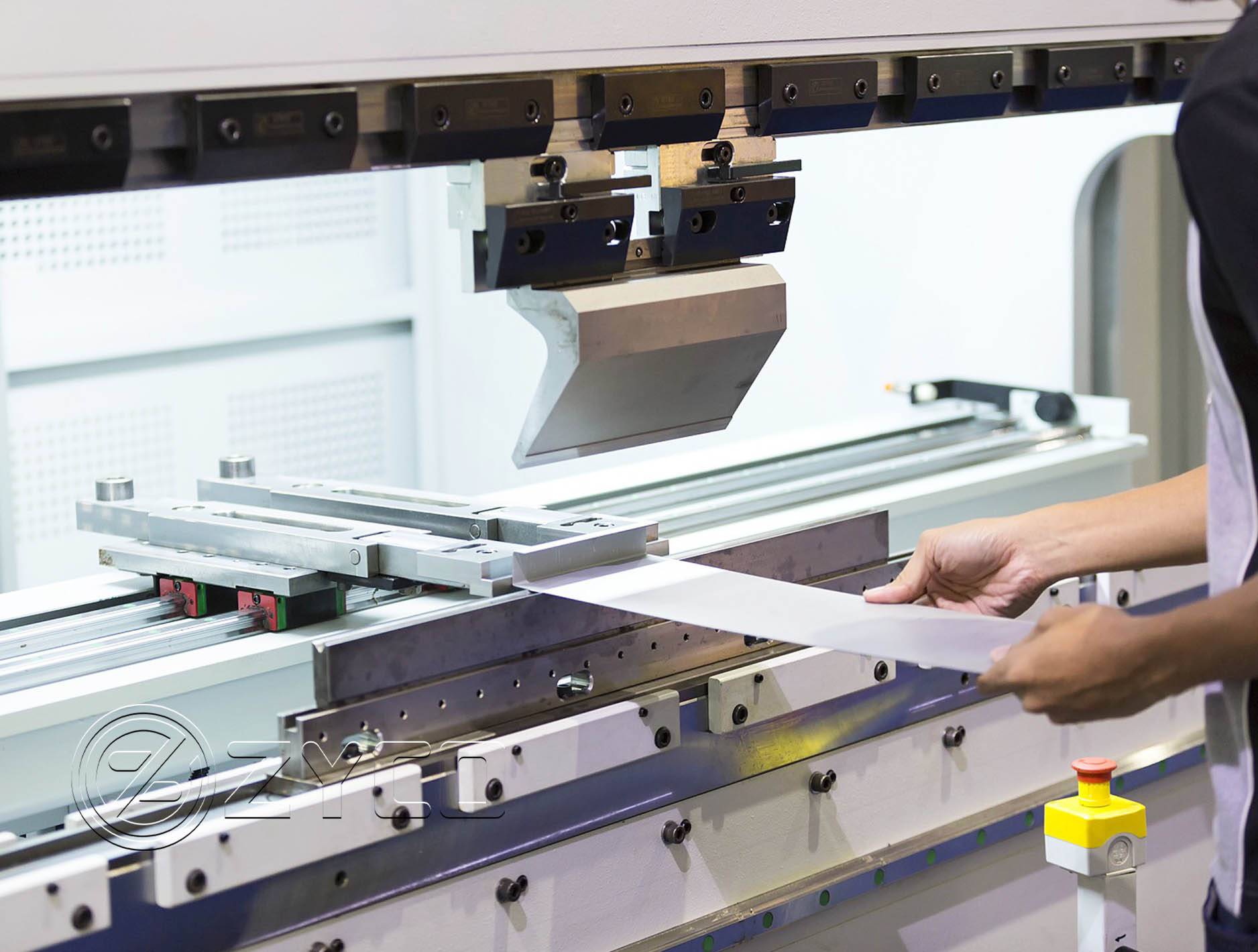
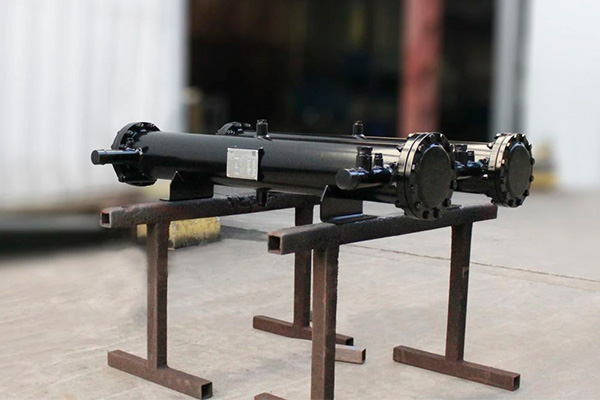
CAFU Machinery Company Provides High - Quality Steelwork Fabrication Services
Our structural steel fabrication services for industrial constructions cover the entire process, including design, manufacturing, quality control, logistics, and installation supervision, which can fully meet your heavy steel fabrication requirements. Please contact us now to obtain high - quality custom steelwork solutions.
In the construction and industrial sectors, the need for efficient and reliable cement storage solutions is crucial. A bolted cement silo offers a practical and customization option for storing various materials such as cement, fly ash, and ground granulated blast - furnace slag (GGBS). This article will guide you through the process of customizing a bolted cement silo, highlighting the key factors to consider and the steps involved.

Determine Your Storage Requirements
The first step in customizing a cement silo is to accurately assess your storage needs. Consider the volume of materials you need to store. For most common projects, standard capacities of cement silos range from 100 tons to 1000 tons. However, if your requirements deviate from these typical sizes, it's essential to clearly define the specific storage quantity.
Also, identify the types of materials that will be stored in the silo. Different materials may have unique properties that can impact the design and construction of the silo. For example, cement has different flow characteristics compared to limestone powder, and this can influence factors such as the silo's internal slope and discharge system.
Consider Size Limitations
Size limitations play a significant role in the customization process. You need to determine whether there are any height or diameter restrictions at the installation site. These limitations could be due to factors such as the available space, overhead power lines, or architectural constraints. If the silo is to be installed indoors, the dimensions of the building must be carefully measured to ensure a proper fit.
On the other hand, for outdoor installations, additional environmental factors need to be considered. If the silo is located near the sea, the corrosive nature of the marine climate necessitates enhanced corrosion - resistant protection for the silo's outer surface. Special coatings or materials may be required to ensure the silo's longevity in such harsh conditions.
Choose a Standard or Custom Design

In most cases, it is advisable to consider the standard models offered by silo manufacturers. These models have been tested and proven to be reliable and cost - effective. They come in a range of capacities and are designed to meet the general requirements of many construction projects.
However, for specific projects with unique needs, a custom - designed silo may be necessary. In such instances, close communication between the silo manufacturer's engineering team and the project owner is essential. The engineering team will need to understand all the specific requirements, including the ones mentioned above, to create a tailored design that meets the project's exact specifications.
Communicate with the Manufacturer
Once you have determined your requirements and limitations, it's time to communicate with the silo manufacturer. Provide them with all the relevant information, including storage volume, material types, size limitations, and installation location details.
In response, the manufacturer will provide a professional customized solution description for the bolted cement silo. This description will outline the proposed design, materials to be used, and any special features or considerations. It's important to carefully review this proposal to ensure it aligns with your expectations.
Production and Quality Control
After approving the customized solution, the production process begins. The production cycle for a customized cement silo can vary depending on its size and complexity. For example, a 100 - ton bolted cement silo typically takes 10 - 15 days to manufacture.
During the production process, strict quality control measures are in place. This includes thorough welding inspections to ensure the structural integrity of the silo. Factory pre - assembly is also carried out to identify and resolve any potential issues before the final installation.
Once the manufacturing is complete, the silo undergoes surface treatment. This involves shot - blasting to remove rust and impurities from the components, followed by the application of an anti - rust coating. After the coating has been tested and approved, all components are carefully packaged according to the packing list for shipment.
Shipping and Delivery
Since bolted cement silo are designed with container transportation in mind, their components are packaged in a way that minimizes volume. This helps to reduce transportation costs. The silo components are then shipped via container to the port specified by the customer.
Customizing a bolted cement silo requires careful planning, clear communication, and attention to detail. By following these steps and working closely with a reliable silo manufacturer, you can ensure that you get a high - quality, customized cement silo that meets your specific needs for efficient and safe material storage in your industrial or construction project.
Contact CAFU Today to Customize Your Cement Silo Project!
Whether you choose a standard model or a fully customized solution, cement silos and their accompanying structural steel facilities, designed by CAFU Machinery, are one of the ideal choices for handling bulk materials such as cement.
Structural Steel Truss Fabrication Services for Conveyors: Precision Engineering for Bulk Material Handling
In industries where raw materials like coal, ore, and cement are moved across vast distances, structural steel truss fabrication services form the backbone of reliable conveyor systems. At CAFU Machinery, we combine over a decade of expertise in heavy steel fabrication with cutting - edge manufacturing technologies to deliver custom - engineered truss solutions that withstand the toughest operational demands.
Why Structural Steel Trusses Matter in Conveyor Systems
Structural steel trusses provide the critical support framework for belt and pipe conveyor systems, ensuring stability under heavy loads and harsh environmental conditions. Key advantages include:
• High Load Capacity: Designed to handle dynamic material loads under complex conditions
• Adaptability: Custom shapes (curved, inclined, or tapered) to navigate terrain challenges
• Durability: Long - lasting performance under complex geographical conditions and extreme climate situations
CAFU’s Expertise in Structural Steel Truss Fabrication
As trusted custom metal fabricators, we specialize in producing conveyor trusses that meet the customized standards specified in the client's drawings. Our end-to-end capabilities include:
1. Custom Design & Engineering
Client-Driven Solutions:
• Build from your CAD drawings or collaborate on new designs
• Optimize truss geometry for spans up to 24m (assembled from 12m modular sections)
Complex Geometry:
• Curved trusses with 15°–45° bend radii for route flexibility
• Inclined trusses (up to 30° angles) for elevation changes
2. Precision Manufacturing Process
Step 1: Material Preparation
• Laser/plasma cutting of steel plates
• CNC drilling of bolt holes
Step 2: Assembly & Welding
• High-quality gas shielded welding for main chords and diagonals
• Manual GTAW (TIG) welding for intricate joints
Step 3: Quality Assurance
• 100% visual inspection + 20% ultrasonic testing (UT) of critical welds
• Conduct full-scale pre-assembly checks
Step 4: Surface Treatment
• Shot blasting to Sa 2.5 cleanliness
• Epoxy-zinc primer + polyurethane topcoat
Industry Applications
Our heavy steel fabrication are engineered for reliability in:
|
Industry |
Use Cases |
|
Mining |
Overland conveyors, transfer stations |
|
Cement Plants |
Clinker/cooler conveyors, raw mill feed systems |
|
Power Generation |
Fuel handling systems, ash conveyor supports |
|
Steel Mills |
Slag conveyors, raw material transport |
Technical Advantages of CAFU Truss Systems
1. Modular Efficiency
• 12m container - friendly sections reduce shipping costs by 30%
• High – strength bolted connections (Grade 8.8/10.9) enable rapid on – site assembly
2. Customization Flexibility
• Variable depths (1.5–2.5m) to match conveyor belt widths (500–2,400mm)
• Optional walkways, maintenance platforms, and cable trays
3. Long – Term Reliability
• High - quality steel ensures an extremely long fatigue life
• Strict anti - corrosion construction processes and high - quality coatings ensure corrosion resistance in coastal/chemical environments and extend the service life of the coatings
Case Study: Pipe Belt Conveyor Project for Steel Mills
This pipe belt conveyor project has a total length of 1050m. It is used to transport coal for the steel mills, with a transportation capacity of 1000t/h and a belt speed of 3.5m/s. Our company manufactures the structural truss systems.
Why Partner with CAFU?
• Proven Expertise: Multiple conveyor truss projects completed since 2015
• Advanced Facilities: 15,000㎡ workshop with 50-ton overhead cranes
• OEM Custom Metal Fabrication Services: Serving conveyor design units and project consortiums worldwide, providing high-quality conveyor components and price-competitive solutions
Elevate Your Conveyor Infrastructure Today
Whether you’re upgrading existing systems or designing new bulk handling networks, CAFU’s heavy steel fabrication services deliver:
• 15% faster installation through modular designs
• Ensure to extend the coating service life of the Structural Steel Truss by 20% through high-quality anti-corrosion processes
• 100% compliance with your operational specs
At the 21st African Fine Coffee Conference (AFCA) held in Addis Ababa, Ethiopia, Chinese tech company GroTech became the center of attention with its groundbreaking innovative technology. As a global leader in intelligent sorting solutions, GroTech showcased a range of coffee bean and nut sorting machines, attracting hundreds of buyers from Africa, Europe, and the Middle East. The booth was so popular that a long line formed for on-site demonstrations.
"From Coffee to Nuts": GroTech Demonstrates Sorting "Black Tech" at the Event
At the exhibition, GroTech presented both large-scale industrial sorting machines and super mini color sorter devices to meet the needs of plantation-level producers and small-to-medium processing factories in Africa. The on-site team conducted real-time sorting demonstrations, showcasing how the equipment can accurately eliminate defective beans, stones, insect-damaged beans, and foreign matter at a speed of over 10,000 beans per second. The machines also efficiently sorted cashews, almonds, and other nut products. A coffee trader from Kenya exclaimed, "After the same batch of beans was sorted by GroTech , the quality grade immediately improved. This efficiency completely changed our perception of traditional sorting methods!"
Three Core Advantages of the AI Sorting Machine
GroTech 's main focus at the exhibition was its AI series sorting machines, which are powered by their self-developed "Deep Visual Learning System," attracting significant attention in the industry. According to the company's Technical Director, Ji Minghan, the machine boasts three major breakthroughs:
Super-Precision Recognition: By combining multi-spectral imaging with AI algorithms, the machine can detect micro-level color differences and shape defects as small as 0.02mm², with a defect detection rate of up to 99.9%.
Adaptive Learning: The system can autonomously learn and optimize sorting standards based on the variety and origin of coffee beans, greatly reducing manual adjustment costs.
Energy Efficiency: The machine consumes 40% less energy than traditional equipment, with an hour processing capacity of up to 5 tons, helping enterprises reduce costs and improve efficiency.
The African Market Potential Sparks Cooperation
“Africa is the core production region for global fine coffee, but there is an urgent need for industry chain upgrades,” said Jag, President of GroTech Africa, in an interview. “Our AI technology can not only enhance the export value of coffee but also expand into processing of African products such as cashews and cocoa.” On the first day of the exhibition, more than ten companies expressed interest in trial runs.
Industry analysts noted that as global demand for high-quality coffee beans continues to rise, innovative companies like GroTech , which deeply integrate AI into production processes, are becoming key players in driving the intelligent transformation of Africa’s coffee industry. This exhibition has undoubtedly paved the way for GroTech to further expand into African and emerging markets.
1.Application in garment manufacturing industry
Large-scale clothing production: In the daily clothing production of T-shirts, jeans, etc., SOMAX automatic overlock sewing machine can quickly complete the edge stitching process. It can complete many pcs per minute, greatly improving production efficiency to meet the demands of large orders.
High-end fashion customization: For some high-end fashion with complex processes and high detail requirements, the automatic overlock sewing equipment can achieve a delicate and uniform sewing effect through its high-precision control, ensuring the quality and unique design.
2.Apply to home textile products
For home textile products such as pillowcases, pillow towels, and dust proof cloths, SOMAX automation overlock sewing machine can quickly complete the splicing and edge overlock of each piece of fabric. Take the pillowcases for example, it can quickly sew each surface and make beautiful edges to prevent the fabric from unraveling, improve the durability of the product, compared to traditional manual work, it can improve the production efficiency greatly.
3.Applied to cleaning products
Mop cloth production: When making cotton or chemical fiber mop cloths, SOMAX automation sewing machine can sew the edges of the cut cloth quickly . It can prevent the mop cloth from falling apart due to frequent friction during used, extending the service life of the mop cloth. For example, for common flat mop cloths, according to the size and shape ,the machine can complete the sewing of all four sides accurately , and by selecting the appropriate stitching, it can enhance the firmness of the seams ,to meet the high-intensity use requirements of daily mopping.
Cleaning rag production: All kinds of cleaning rags, whether they are oil-absorbing kitchen rags or cleaning car polishing rags, SOMAX automatic overlocking equipment can efficiently complete the overlocking process. For different materials and functions rags, such as microfiber cleaning rags, the equipment can use fine overlocking stitches to ensure the softness, prevent the fiber from being exposed, ensure the cleaning effect, and at the same time improve the overall aesthetics of the product, making it more in line with consumers' demand for high-quality cleaning products.
Sponge Production: During the sponge production process, SOMAX overlock machine can tightly stitch the sponge together with outer wrapping materials, such as non-woven fabric or durable textiles. For example, in the case of common dishwashing sponges, SOMAX automatic overlock equipment is used to stitch the sponge with a coarse fabric that has cleaning capabilities. This not only ensures that the sponge is firmly fixed and less likely to fall off, but also results in a neat and tight seam. This effectively prevents water from penetrating into the interior of the sponge during use, thereby extending the lifespan of the sponge. Additionally, it optimizes the product's appearance, making it more marketable.
4.Applications in Other Fields
Automotive Interior Manufacturing: For the production of automotive seat covers and interior decorative fabrics, SOMAX automatIC overlock equipment can accommodate the diverse materials used in automotive interiors, such as leather and textiles. It provides strong and aesthetically pleasing stitching, meeting the dual requirements of strength and appearance in automotive interior manufacturing
Bags making: In the production of various types of bags, such as canvas bags, backpacks and storage bags, SOMAX automatic overlock sewing machine play an important role in quickly completing sewing process, increasing efficiency and quality.
With the continuous advancement of technology, SOMAX automatic sewing equipment will play a greater role in more fields, bring new changes to production and manufacturing.
Faced with a wide array of fully automatic sewing machines on the market, selecting a product that meets your specific needs is crucial. The following suggestions can be used as a reference:
Firstly, make a choice based on the production scale. If you run a large garment factory that requires mass production of standardized clothing products, then a high-speed, stable, and highly automated garment processing sewing machine or a fully automatic high-end model is the best choice. These machines can greatly improve production efficiency and ensure the consistency of product quality. On the other hand, if you are a small tailor shop or a home user who occasionally engages in DIY creations, simple clothing repairs, or making a small number of personalized items, an entry-level fully automatic sewing machine or a multifunctional home sewing machine would be more economical and practical. They are easy to operate and can meet basic needs.
Secondly, budget considerations cannot be overlooked. The prices of different types and grades of fully automatic sewing machines vary significantly. Fully automatic high-end models often integrate cutting-edge technology and complex functions, which come with a relatively high price. However, they can bring excellent quality and efficient production capacity to high-end manufacturing. In contrast, mid-to-low-end electric sewing machines and entry-level fully automatic sewing machines are affordable and offer good value for money, making them suitable for users with limited budgets. When selecting, it is necessary to balance functionality and quality within the budget to find the best compromise.
Furthermore, consider the type of product you are working with. If you mainly produce home textile products, such as thick quilts, large curtains, and sofa covers, home textile sewing machines, with their powerful motors, large work platforms, and excellent ability to handle thick materials, can easily meet the challenges. If you focus on garment production, especially with strict craftsmanship requirements for collars, cuffs, pockets, and other delicate parts, the precise stitching and diverse stitch functions of garment processing sewing machines can ensure the refined workmanship of the clothing.
In addition, pay attention to the brand and after-sales service. Somax automatic sewing machine typically invest heavily in technology research and development, product quality control, and stability assurance, and have a good reputation, providing users with reliable products. At the same time, high-quality after-sales service can provide timely technical support and solutions when equipment malfunctions or usage problems arise, allowing you to be worry-free.
1. Identify producing requirements
Process analysis: Sportswear production includes cutting, sewing, printing, dyeing, ironing and other processes. For example sewing process, different styles and fabrics requires precise cutting equipment. When sewing, consider the splicing and process requirements of sportswear, you need to choose sewing machines with specific functions, such as SOMAX automatic elastic machine, automatic bottom hem machine, intelligent template overlock machine, etc.
Production estimation: According to the order volume and market expectations, confirmed the production of SOMAX automation machines. For example, when the order volume is large in the peak season, high-speed and efficient equipment is required to meet the production capacity. When the production volume is small in the off-season, the equipment must have a certain flexibility to avoid waste of resources.
2. Evaluate equipment performance
Accuracy and quality: Sportswear has high requirements for dimension and sewing quality. For example, the accuracy of cutting equipment must reach the millimeter level, and the sewing stitches must be uniform and firm to ensure the quality and comfort of clothing.
Speed and efficiency: The running speed of automatic machines directly affects production efficiency. For example, the production capacity of SOMAX automatic waistband multi-needle machine is 10 seconds/piece, the automatic bottom hemming machine is 3-4 pieces/minute, etc. The purchase volume must match factory's production target.
Stability and reliability: The equipment running stably is crucial. Frequent failures will lead to production stagnation and increased costs. You can learn about the stability of SOMAX automation equipment under long-term operation through multiple channels.
3. Cost-benefit analysis
Purchase cost: Learn about different brands and models of automatic machines, and select the most cost-effective equipment in combination with the factory budget. Meanwhile, consider the later maintenance cost of the equipment, such as the price of wearing parts and the difficulty of maintenance.
Return on investment: Calculate the economic benefits on terms of improving production efficiency, reducing labor costs, and improving product quality after the automatic equipment put into use. Evaluate the return on investment, and ensure the rationality of the investment.
4.After Service Evaluation
Response time: Due to the specialized nature of automated equipment, the after - sales response time of the supplier is crucial when equipment fault occurs. Choosing a supplier that can provide technical support and resolve issues in a short period of time can reduce production downtime.
Technical support: The supplier should have got professional technical team. SOMAX supply all technical support for installation and testing, operation training, fault repair, etc.

T-shirt Production Unveiled: How Automated Machines 'Smart'ly Create Fashion
In today's fast-paced fashion industry, the level of automation in garment manufacturing is continuously revolutionizing to meet the growing market demand. Automated machines act like magical craftsmen, showcasing their unique skills in every aspect of clothing production, not only greatly improving production efficiency but also creating high-quality garments with precise craftsmanship. When focusing on the sewing of everyday versatile T-shirts, several core automated machines from SOMAX are indispensable. They quietly hide behind the scenes of the production line but control the key transformation of each T-shirt from its initial form to the finished product. Next, let's unveil the mystery of these unsung heroes behind the scenes.
1.Automatic Collar Attaching Machine —The Exquisite Shaping Of Collars

A.Convenient and Efficient Operation
Automatic collar attaching machine is a vanguard in the T-shirt sewing production line, infusing convenience and vitality into the collar-making process. Traditionally, workers had to precisely handle the fit of the collar strip with the neckline fabric, making repeated adjustments and meticulous stitching. Any slight error could result in wrinkles, asymmetry, and other defects, and the output was limited, with a skilled worker managing to complete only dozens of pieces per hour. Now, the automatic collar attaching machine has rewritten this scenario with intelligent control. Workers only need to place the prepared collar strips and garment pieces in order, and the machine can execute precisely according to the preset program.Taking the SOMAX SM-01 series as an example, it can automatically complete collar strip positioning, collar strip layering positioning, and fabric edge positioning. Workers can easily press the foot pedal, and the machine will operate at high speed. Newcomers, after a brief training, can achieve an hourly output of over a hundred pieces, and the efficiency is astonishing when operated by skilled workers. It's like injecting a "powerful stimulant" into production, allowing companies to seize the initiative in the fast-paced market competition.
B.Multi-functional Applications
This machine is not just a one-trick pony for sewing T-shirt round collars; it is also a versatile player in the sewing of garment components. It excels in the fields of sportswear and casual wear, flexibly switching modes to evenly sew elastic waistbands, ensuring a tight fit and comfortable stretch between the elastic band and the fabric. When creating ribbed products with circular waist openings, it can precisely control the stitching and tension, resulting in clear, elastic rib textures that perfectly match the needs of various styles of clothing. Truly achieving "one machine for multiple uses," it greatly expands the boundaries of enterprise production, reduces equipment cost investment, and empowers the layout of diversified products.
2.Computerized Pattern Sewing Machine — Customization Of Patterns At WillI

A.Pattern Editing and Storage Function
The computerized pattern sewing machine is like an infinitely creative master tailor, infusing the T-shirt sewing process with a dynamic design soul through its powerful pattern editing and storage capabilities. Within its intelligent electronic control system, operators can easily outline various complex patterns as if drawing an artwork, either through the accompanying software or directly on the machine's touch screen. Whether it's fresh and simple geometric lines, playful and cute cartoon characters, or custom letters and logos that highlight brand personality, they can all be accurately entered and transformed into sewing instructions recognizable by the machine. These patterns are stored in a large-capacity memory, ready for use at any time. Enterprises can, based on different series of T-shirt design requirements, fashion trends, or custom orders from customers, retrieve patterns with one click and quickly switch production. This greatly satisfies the current consumers' pursuit of personalized and fashionable clothing with diverse tastes, allowing each T-shirt to carry a unique charm and empowering brand innovation.
B.Automated Operation Experience
Stepping into the realm of operating a computerized pattern sewing machine, you'll marvel at the convenience and user-friendliness of its automated processes. Operators only need to complete a few steps: input the pattern (either select from a preset library or edit on the spot), place the cut T-shirt fabric flat into the sewing area, lower the press frame to fix the fabric, and lightly press the foot pedal (or simply click the "Start" button on the screen), and the machine will perform the sewing "show" according to the program. Even newcomers to the sewing industry can, after a brief training, quickly master it and produce high-quality patterned sewing products within a few hours.
Moreover, its versatility is extensive, from light and airy chiffon fabrics to thick and durable denim, from soft and skin-friendly cotton to slightly elastic spandex blends, the computerized embroidery machine can accurately adjust to different materials. It shines in various industries such as clothing, bags, footwear, automotive interiors, and more, becoming an indispensable spearhead of modern manufacturing automation.
3.Automatic Bottom Hemming Machine — The Perfect Hemming Of The Bottom Edge

A.Simplified Automated Operation
The automatic bottom hemming machine is like a steady "finishing craftsman," dedicated to giving T-shirts an exquisite finishing touch at the bottom edge. Its introduction simplifies the originally complex hemming process, greatly reducing the demands on manual skills. Operators only need to slip the tubular fabric onto a specific holder, and the machine's built-in intelligent system automatically takes over the subsequent tasks, from precisely stretching the fabric, evenly rolling the edge, to densely sewing, all in one go, without the need for manual adjustments throughout the process. Its operation interface is thoughtfully designed, with a visual display screen that shows real-time equipment status and parameter information. Workers can easily complete fabric loading/unloading and mode switching based on clear instructions, allowing newcomers to quickly get up to speed and seamlessly integrate into the efficient production rhythm, helping enterprises solve the dual challenges of labor training and capacity enhancement.
B.High-Capacity and High-Quality Assurance
In the "examination room" of capacity and quality, the automatic bottom hemming machine performs well. Taking common fabrics such as pure cotton and cotton-polyester blends as examples, it consistently maintains good finished products with even stitching, tight hems, and neat and crisp finished edges, laying a solid foundation for the quality of T-shirts. When faced with order style changes and size variations, it can also adapt flexibly, with convenient electronic control adjustments or modular component replacements, allowing for adaptation adjustments to be completed within just a few minutes, seamlessly connecting to new tasks. This provides a solid backing for enterprises to expand markets and win reputations.
C.Precision Sewing Technology
Diving deep into the core of its craftsmanship, the precision sewing of the automatic bottom hemming machine is truly admirable. Equipped with an advanced automatic size control system, it follows preset parameters such as the width of the hem and stitch spacing. Sensors monitor the fabric feeding and hem rolling dynamics in real-time, precisely controlling the material holding and fabric delivery mechanisms to ensure that every stitch lands exactly as intended. The specially designed material gripping and hem rolling components work in close collaboration to evenly fold the fabric edges, complemented by the sewing head's precise needle bar and shuttle mechanism. As the thread swiftly weaves in and out, the start and end stitches are perfectly aligned, eliminating any deviation. Such fine craftsmanship ensures that the hem of the T-shirt remains smooth and attractive, without curling or deformation, even after numerous washes and wears. It highlights quality through details, enhances brand value, and helps clothing stand out in market competition.
4.Twin Head Automatic Scalding Machine — Precision Branding Of The LOGO

A.Electrical Self-Control Precision Positioning
Twin head automatic scalding machine, as the "branding master" for T-shirt brand logos, rewrites the traditional branding landscape with electrical self-control technology. In the past, manual branding required workers to place the trademark by eye and experience, and press it with an iron, which often resulted in positional deviations of several millimeters, and uneven heating could cause the trademark to wrinkle or peel off, leading to low efficiency and inconsistent quality. Now, with the advent of the branding machine, equipped with a precise electrical control system, taking a SOMAX fully automatic branding machine as an example, its positioning accuracy is up to ±0.2mm. The branding head can follow a preset path and apply the trademark to the designated area with just the right temperature and pressure in a matter of seconds, significantly improving production efficiency by 2-3 times compared to manual methods, and providing a solid quality assurance for brand image output.
B.Multi-functional Design
Multi-functional integration is the "secret weapon" of the scalding machine to meet diverse production needs. It often comes with a multi-station design that integrates material feeding, trademark picking, pressing, and material collection, all in an orderly manner.The vacuum suction cups or mechanical grippers in the trademark picking area quickly grab the trademarks according to instructions, and in coordination with multi-axis robotic arms, they can place the trademarks at various angles. The heating plate in the pressing area is made of high-quality heat conductive materials, paired with an independent temperature control module, which can rapidly heat up to a precise temperature range and apply even pressure, ensuring the trademarks are firmly attached.This multi-functional design meets the various needs of enterprises.
C.Convenient Operation Process
Convenient operation makes the scalding machine a "favorite" piece of equipment in the workshop. Before operation, the power is turned on, the device performs a self-check, and the screen lights up; workers input the appropriate branding temperature (usually 120-180°C) and time (3-10 seconds) based on the T-shirt fabric material (cotton, linen, synthetic fibers, etc.) and the trademark material through the touch screen. During operation, workers only need to feed the material, and the device automatically takes the trademark, brands, and collects the material. Newcomers can get started after half an hour of training, reducing labor costs and enhancing the production vitality of the workshop.

In the production journey of T-shirts, Automatic collar attaching machine,computerized pattern sewing machine,automatic bottom hemming machine, and twin head automatic scalding machine each play their distinct roles, reshaping the production process with the power of automation. They reduce labor costs, enhance product precision, and accelerate delivery cycles, allowing enterprises to move forward steadily in the market tide. Looking to the future, as cutting-edge technologies such as artificial intelligence and the Internet of Things become deeply integrated, garment manufacturing will advance towards intelligence and flexibility.