Structural Steel Truss Fabrication Services for Conveyors: Precision Engineering for Bulk Material Handling
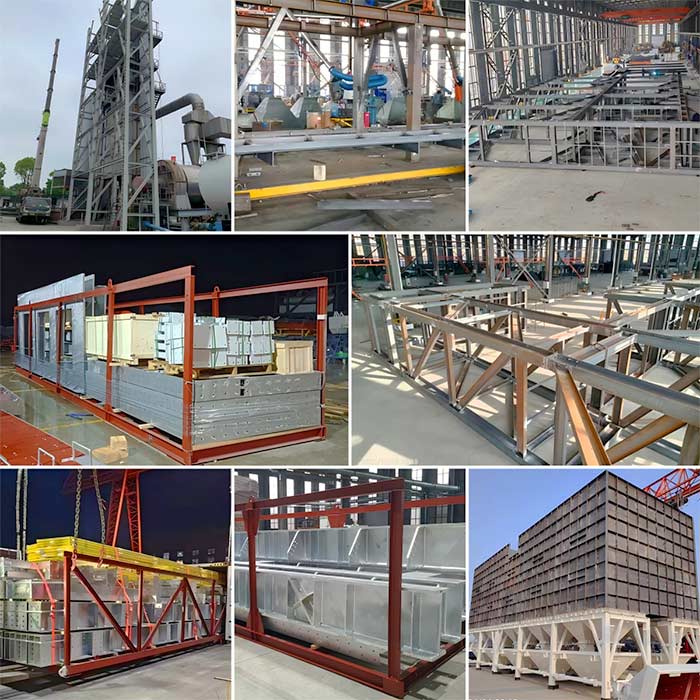
In industries where raw materials like coal, ore, and cement are moved across vast distances, structural steel truss fabrication services form the backbone of reliable conveyor systems. At CAFU Machinery, we combine over a decade of expertise in heavy steel fabrication with cutting - edge manufacturing technologies to deliver custom - engineered truss solutions that withstand the toughest operational demands.
Why Structural Steel Trusses Matter in Conveyor Systems
Structural steel trusses provide the critical support framework for belt and pipe conveyor systems, ensuring stability under heavy loads and harsh environmental conditions. Key advantages include:
• High Load Capacity: Designed to handle dynamic material loads under complex conditions
• Adaptability: Custom shapes (curved, inclined, or tapered) to navigate terrain challenges
• Durability: Long - lasting performance under complex geographical conditions and extreme climate situations
CAFU’s Expertise in Structural Steel Truss Fabrication
As trusted custom metal fabricators, we specialize in producing conveyor trusses that meet the customized standards specified in the client's drawings. Our end-to-end capabilities include:
1. Custom Design & Engineering
Client-Driven Solutions:
• Build from your CAD drawings or collaborate on new designs
• Optimize truss geometry for spans up to 24m (assembled from 12m modular sections)
Complex Geometry:
• Curved trusses with 15°–45° bend radii for route flexibility
• Inclined trusses (up to 30° angles) for elevation changes
2. Precision Manufacturing Process
Step 1: Material Preparation
• Laser/plasma cutting of steel plates
• CNC drilling of bolt holes
Step 2: Assembly & Welding
• High-quality gas shielded welding for main chords and diagonals
• High – strength bolted connections (Grade 8.8/10.9) enable rapid on – site assembly
2. Customization Flexibility
• Variable depths (1.5–2.5m) to match conveyor belt widths (500–2,400mm)
• Optional walkways, maintenance platforms, and cable trays
3. Long – Term Reliability
• High - quality steel ensures an extremely long fatigue life
• Strict anti - corrosion construction processes and high - quality coatings ensure corrosion resistance in coastal/chemical environments and extend the service life of the coatings
Case Study: Pipe Belt Conveyor Project for Steel Mills
This pipe belt conveyor project has a total length of 1050m. It is used to transport coal for the steel mills, with a transportation capacity of 1000t/h and a belt speed of 3.5m/s. Our company manufactures the structural truss systems.
Why Partner with CAFU?
• Proven Expertise: Multiple conveyor truss projects completed since 2015
• Advanced Facilities: 15,000㎡ workshop with 50-ton overhead cranes
• OEM Custom Metal Fabrication Services: Serving conveyor design units and project consortiums worldwide, providing high-quality conveyor components and price-competitive solutions
Elevate Your Conveyor Infrastructure Today
Whether you’re upgrading existing systems or designing new bulk handling networks, CAFU’s heavy steel fabrication services deliver:
• 15% faster installation through modular designs
• Ensure to extend the coating service life of the Structural Steel Truss by 20% through high-quality anti-corrosion processes
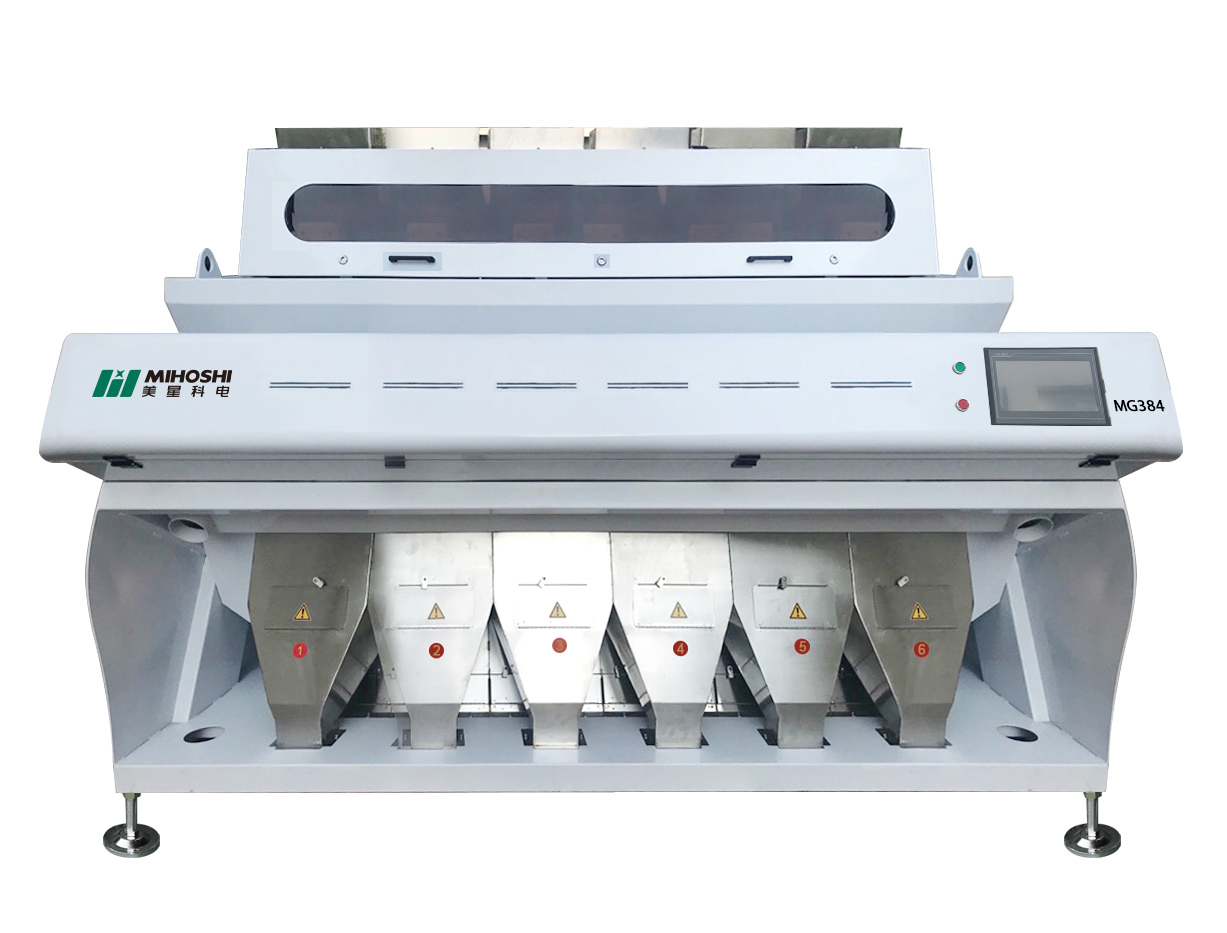
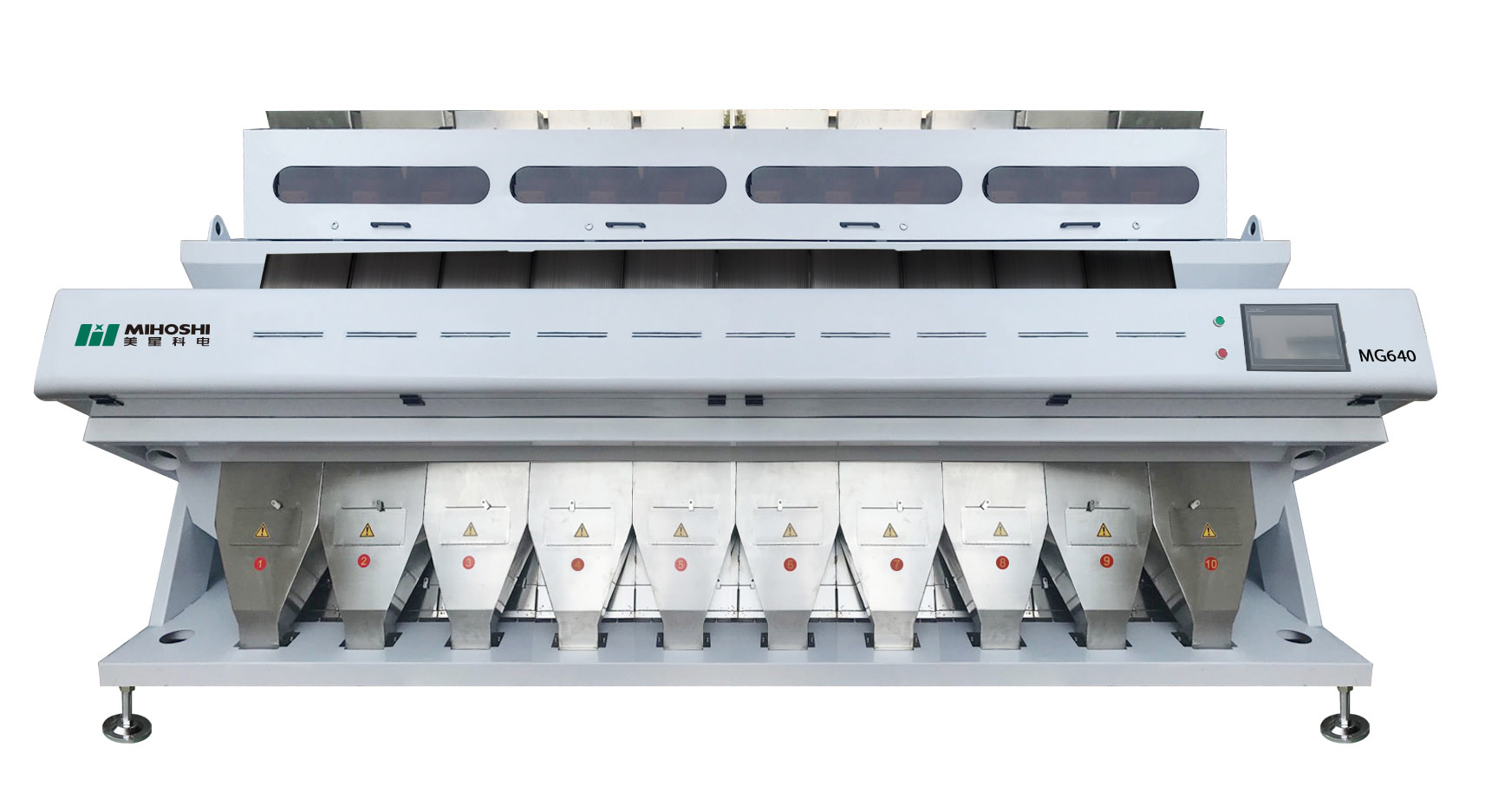
At the 21st African Fine Coffee Conference (AFCA) held in Addis Ababa, Ethiopia, Chinese tech company GroTech became the center of attention with its groundbreaking innovative technology. As a global leader in intelligent sorting solutions, GroTech showcased a range of coffee bean and nut sorting machines, attracting hundreds of buyers from Africa, Europe, and the Middle East. The booth was so popular that a long line formed for on-site demonstrations.
"From Coffee to Nuts": GroTech Demonstrates Sorting "Black Tech" at the Event At the exhibition, GroTech presented both large-scale industrial sorting machines and super mini color sorter devices to meet the needs of plantation-level producers and small-to-medium processing factories in Africa. The on-site team conducted real-time sorting demonstrations, showcasing how the equipment can accurately eliminate defective beans, stones, insect-damaged beans, and foreign matter at a speed of over 10,000 beans per second. The machines also efficiently sorted cashews, almonds, and other nut products. A coffee trader from Kenya exclaimed, "After the same batch of beans was sorted by GroTech , the quality grade immediately improved. This efficiency completely changed our perception of traditional sorting methods!"
Three Core Advantages of the AI Sorting Machine GroTech 's main focus at the exhibition was its AI series sorting machines, which are powered by their self-developed "Deep Visual Learning System," attracting significant attention in the industry. According to the company's Technical Director, Ji Minghan, the machine boasts three major breakthroughs:
Super-Precision Recognition: By combining multi-spectral imaging with AI algorithms, the machine can detect micro-level color differences and shape defects as small as 0.02mm², with a defect detection rate of up to 99.9%.
Adaptive Learning: The system can autonomously learn and optimize sorting standards based on the variety and origin of coffee beans, greatly reducing manual adjustment costs.
Energy Efficiency: The machine consumes 40% less energy than traditional equipment, with an hour processing capacity of up to 5 tons, helping enterprises reduce costs and improve efficiency.
The African Market Potential Sparks Cooperation “Africa is the core production region for global fine coffee, but there is an urgent need for industry chain upgrades,” said Jag, President of GroTech Africa, in an interview. “Our AI technology can not only enhance the export value of coffee but also expand into processing of African products such as cashews and cocoa.” On the first day of the exhibition, more than ten companies expressed interest in trial runs.
Industry analysts noted that as global demand for high-quality coffee beans continues to rise, innovative companies like GroTech , which deeply integrate AI into production processes, are becoming key players in driving the intelligent transformation of Africa’s coffee industry. This exhibition has undoubtedly paved the way for GroTech to further expand into African and emerging markets.
CNC machined parts are the primary elements of the contemporary production process, being precise and highly versatile for their use across industries. CNC (Computer Numerical Control) machining is a technology-driven technique that has evolved to automatically perform the cutting, shaping, and finishing of materials with precision. These machined parts are crucial in the development of parts features required in the design and implementation the detailed features with geometrical complexities. In the aerospace, automotive, medical devices, and consumer electronics industries, CNC machined parts have high advantages in quality, efficiency, and cost. In this article, we will discuss what exactly CNC machined parts are, the uses of such parts, and why CNC machined parts are so important in manufacturing today.
What are CNC Machined Parts?
CNC machined parts are the parts made out of CNC machining which is an entirely automated process of using computer-operated tools to cut various materials into required shapes and sizes of the final products. These parts can be manufactured from a broad spectrum of materials such as metals, plastics, and composites that give those components application in aerospace, automotive, medical, and electronics industries. With CNC machining, it is possible to produce simple spare parts and at the same time complicated machineries for prototype as well as mass production. Hence, CNC machining is widely used where there is a need to achieve high accuracy, small or large repeatability, and fine surface finish.
How CNC Machining Works?
CNC machining work begins with a 3D model that is most often developed using CAD (Computer-Aided Design) tools. The aforementioned design is then translated into G-code or essentially machine-interpretable code as done by CAM (Computer-Aided Manufacturing) software The numerical control in the CNC machine interprets the G-code and lends itself to the desired position of the cutting tool or workpiece in the form of coordinates and cutting path. It also depends on the type of the CNC machine where some of the most typical operations are milling, turning, drilling, and grinding. The workpiece is clamped, and tools are used to gradually cut away material to give the machine the ability to produce fine form, surface profiles, and textures. CNC machines are highly automated, which causes a minimal chance of defects on a produced part.
Main Benefits of CNC Machined Parts
● High Precision and Accuracy: CNC machining is widely famous due to its capability to consistently manufacture parts with small tolerances ranging from a few micrometers. This level of accuracy guarantees that mating surfaces fit accurately and this is effective, especially in multilayer designs.
● Repeatability: CNC machines are highly programmed allowing them to create similar parts with equal quality thus suitable for applications that require many similar parts and high usage. The machines are flexible enough to perform with high efficiency and have almost no variation between the parts.
● Complex Geometries: CNC machining can cut kerf patterns that are otherwise incompatible with craftsmanship by regular cutting techniques. Some examples of the specialization of the machines include – multi-axis machines, which are used in cutting planes in a way that can create complex geometries in the shaped parts.
● Material Versatility: It can machine all types of metals and even plastics, composites, ceramics, and other related materials such as aluminum, steel, and titanium. Due to this flexibility, it can be used across many industries and in many different ways.
● Reduced Lead Time and Increased Efficiency: CNC machines do not require any break and thus greatly improve the lead time. Automation of the process means that only a little human interference is required and that there is a great improvement in the speed of production to ensure that turnaround time is minimal yet the quality of work produced is not compromised.
● Customization: CNC machining enables the manufacturing of very complex or one-off parts to meet certain customer requirements or certain products. Wherever a unique piece or a few production pieces are required, CNC machines are useful in their flexibility to manufacture.
● Cost-Effectiveness for Complex Parts: Even though setting up CNC machining may require a lot of money, it is cheaper to use because of the precision and accuracy apart from having less wastage and llaborharges and shorter working time for the complicated parts.
Common Types of CNC Machined Parts and Their Manufacturing Processes
Milling Parts
CNC milling is a process of using cutter tools to cut away a material to form flat t surfaces, grooves, holes, and different shapes on a workpiece. Milling parts can be cut without much distortion on 3, 4, or 5-axis CNC milling machines. It is especially applicable for manufacturing parts with high geometric density, under or oversize, and variant shapes.
Examples of Milling Parts:
● Brackets and Mounts: Foundries used in automotive, aerospace, and industrial applications for tying or supporting other parts.
● Gear Housings: CNC milling works on these components to get accurate dimensions and smoothness for the r correct positioning of the gears.
● Custom Enclosures: Computer numerical control milled parts are common in the manufacturing of customized casings for electronics and mechanics.
● Turbine Blades: It is usually applied in applications such as aerospace and power generation where the issue of aerodynamics is incredibly sensitive.
Turning Parts
Turning is a method of material removal, in which a workpiece is rotated against a cutting tool; it is mostly used for cylindrical workpieces. The cutting tool traverses along the axes in order the produce accurately rounded free-form surfaces and form features such as slots, threads, or tapers. CNC turning is best applied in high production runs and drilling or turning of parts with circular geometries.
Examples of Turning Parts:
● Shafts: Applied in motors, pumps, and other mechanical assemblies where cylindrical form with accuracy is required.
● Bushings: These are normally cylindrical products that are inserted into other parts to decrease rubbing.
● Pins and Bolts: These parts are widely used in automobile, machinery, and construction industries where there is a high demand for accurate thread and dimensions.
● Collets: Tools that clamp pieces together with high accuracy are often used in a production line and among robots.
Drilled and Tapped Parts
CNC drilling and tapping are conventional turning operations that involve making holes and internal threads in the components. Drilling results in the machining of holes and tapping involves the cutting of internal threads within those holes. This orientation together with the other allows easy assembly using fasteners.
Examples of Drilled and Tapped Parts:
● Flanges: Sometimes used in piping systems, flanges have bolt holes in them that have to be drilled to receive bolts.
● Electrical Connectors: These parts require drilled and tapped holes to provide firm connection points for electrical parts.
● Brackets and Fixtures: CNC machining makes holes that screw in brackets applied in diversified industries.
● Motor Housings: These usually call for drilled and tapped holes whereby various motors and other parts are fixed in place.
● More specifically, we identify three types of geometries that are complex, namely: complex geometries and custom parts.
One of the most important benefits of CNC machining is the ability to fabricate more complex shapes and designs for parts. It is possible to incorporate several features, contours, and details that are almost impossible to effect through conventional techniques. Prototypes are crafted as per the requirements in a single run or the minimum possible number of runs.
Examples of Complex Geometries and Custom Parts:
● Aerospace Components: Other structures such as engine mounts, wing ribs, and fuselage frames call for complex shapes that should exhibit tight dimensional control.
● Medical Devices: Implants, surgical instruments, and prosthetics are other products that have specific requirements that should be met by precision machining.
● Precision Gears and Rotors: These components require intricate cutting, shaping, and contour to allow free movement in mechanical applications.
● Custom Connectors: Electrical and mechanical systems can have assigned connector shapes, sizes,s, and material properties which can be created by CNC machining.
Materials Used for CNC Machined Parts
Metals
Aluminum is easy to machine, corrosion-free, and indeed a light metal that finds its use in almost all fields and industries from aerospace to electronics.
Stainless steel and carbon steel are relatively stronger, tougher, and better in wear-resistant properties. Steel parts are common in automotive, industrial, and heavy machinery where durability is very important.
Titanium is recognized for its capacity to withstand low weight as well as the capability of withstanding corrosion and heat. The product is employed frequently in aerospace or medical device manufacturing since performance and durability are required in severe environments.
Plastics and Composites
Due to their lighter weight and flexibility together with their nonsusceptibility to corrosion and chemical agents, plastics and composites are often selected for CNC machining.
Nylon, ABS, and Polycarbonate have good mechanical performance for applications where metallic parts are not desirable, for instance, housings, panels, and insulation.
Fiberglass and carbon fiber-reinforced plastics are used where the strength-to-weight ratio is an important requirement. Casting of composites enables the formation of mechanically robust and lightweight components for automotive body panels and drone structures.
High-value additive, Aerospace Metals and Alloys, Medical and Chemical Grade Parts.
Speciality Materials
Inconel and aluminum lithium alloys are used for parts that are in high-stress applications such as turbine blades and other engine components. These material offers good strength at elevated temperatures and are also immune to corrosion.
Medical grade materials include materials such as biomaterial titanium and plastics which are medical graded. These materials are applied in the fabrication of surgical instruments, implantation products, and medical appliances that are required to conform to health standard requirements.
Uses of CNC Machined Part
Aerospace Industry
The aerospace industry uses CNC machined parts for those parts that are required to function in conditions of high-speed flight, pressure variations, and temperature variations. Fig. 70 Precision and reliability are achieved by using the process of CNC machining to create parts such as turbine blades, structural support,s and engine parts. Lightweight compounds like titanium and some special types of alloys are used to attain the best performance and solidity for aircraft and spaceships.
Automotive Industry
Automotive parts need to be produced with tight tolerances and are best created using CNC machining. When high strength and high precision are required such as in the case of engine blocks, transmission parts, brake systems,s and suspension parts of vehicles, then CNC machining is used. The process helps to guarantee that parts are produced to the required standards of performance, safety, and economy for both production automobiles and specialty vehicles.
Medical Device Manufacturing
The medical industry particularly has benefited from CNC machining by using it to make complex and accurate parts such as surgical tools, implants, and diagnostic equipment. Several materials such as titanium and medical-grade plastics are often used to produce components that require biocompatibility, safety, and accuracy. Since the parts that are produced can be tailored to meet the needs of certain procedures, there are higher chances of success and better patient results.
Electronics and consumer goods
Semiconductor and related electronic equipment manufacturing industries form the largest market for CNC machining services. Products such as phone housings, connectors, and circuit boards entail precision and quality and these are well done by CNC machines. Also, the machining of its parts for smart devices, computers, and household appliances guarantees that these products perform properly and provide the necessary quality to the customers.
Advantages of CNC Machined Parts
High Precision and Tolerance
It is the efficiency in creating parts that have very small clearances and significant accuracy, for which CNC machining is celebrated. This means that every part and sub-assembly in a structure or an assembly meets the required fit or functional requirement. Stereolithography is very good at creating detailed but relatively small components, while injection molding can produce larger, more accurately dimensioned parts, but cannot match the accuracy of CNC machining.
Efficiency in Production
Since CNC machines can run for many hours with less or no supervision, there will be increased production. It also means that outputs are faster and more efficient since human error and deadlines are avoided by the use of automated processes. Also, these machines are applicable both in small-scale production, for example, prototyping, and large-scale production.
Customization and Flexibility
Another advantage of CNC machining that has to be taken into account is versatility. It can work and create parts as per specific client requirements and hence provide solutions that meet diverse needs. CNC machines apply to a myriad of materials, and can easily accommodate changes in part design. This flexibility positions CNC machining well where there are niche or small-run production needs as seen in aerospace, medical device, and electronics manufacturing.
Less waste and cost savings.
CNC machining is a subtractive manufacturing process, this means that material is only removed where required. This helps to reduce waste since Plexiglas can be cut to size which is better than most manufacturing processes such as casting that usually produce scrap. Further, by using CNC machines, a large number of parts do not require rejections and consequent re-manufacturing, which is time-consuming and increases the cost of production. We also see that the employment of mechanical methods and faster production rates reduce the cost of production as well.
Conclusion
CNC machined parts are one of the most widely used parts throughout today’s manufacturing industries, providing high levels of accuracy, speed, and flexibility. In the aerospace sector, as well as in the medical industry, the level of detail, especially the level of detail in terms of geometry and tolerances, makes it possible to fulfill the requirements of present-day industries when utilizing CNC machining. Certainly, the widespread application of CNC technology in the production process brought automation, consistency, and the possibility to reach high quality in mass production.
With changes in industries, demands for machined parts produced through computer numerical control also increase. CNC machining provides solutions to sectors ranging from aerospace, automotive, medical, and electronics and from prototyping to production. A major advantage of this flexibility is that manufacturers can experiment with material and design and enhance the quality while at the same time keeping to strict standards of quality. In the future, CNC machined parts will continue to be crucial in the development of future manufacturing technologies as a way of improving efficiency and accuracy in manufacturing parts that are used in different industries all over the world.
Machining processes are important in manufacturing components of fine tolerance since they involve material removal from a workpiece. They play a significant role in defining, manufacturing, and finishing the components produced in the industries.
Starting with some of the oldest techniques such as milling and turning and up to the modern methods such as EDM and even additive manufacturing each method is useful in a certain way. Knowledge of these processes is critical in the selection of the most appropriate technique depending on the material, problem difficulty, and accuracy requirements. In this article, we will discuss the most prevalent categories of machining processes and the uses of these processes in contemporary production.
What is Machining?
Machining is one of the manufacturing business processes that involves cutting away material from a workpiece to obtain a wanted profile. This is carried out by employing equipment such as lathes, mills, drills, such instruments that cut, grind, or shape the material accurately. It makes it possible to create elements with thin walls and, on the other hand, thick, robust ones, very often applied in automotive, aviation, and even medicos industries.
Machining is done on metals, plastics, and other materials and it is very important in the production of parts that cannot be produced by other methods. It often ends up using tools like cutting, grinding, or turning to eliminate material to create the component to the specific size, shape, and surface finish.
Turning, milling, and drilling are the common machining processes that are selected based on the targeted geometries of a particular part. These processes enable manufacturers to create everything from basic geometric shapes to designs of increased geometric complexity with great accuracy.
12 Machining Processes Explained
Machining is one of the most important activities within manufacturing since it involves shaping components from raw materials. Various kinds of machining are required for various applications based on the material type, part shape, and production volume. This article will provide information on twelve fundamental machining operations, their varieties, advantages, and uses.
Turning
Turning is a process through which the workpiece rotates while the cutting tool runs along the perimeter to cut off material. More often this is utilized for forming cylindrical workpieces. Depending on the angle of the tool and where it is held, different shapes are achievable within the program.
Common Types:
● CNC Turning: Turning to utilize computerized numerically controlled turning for accuracy.
● Live Tooling: This is suitable for turning and milling at the same time.
● Turret Lathes: These can be used to produce a high volume of complex shaped parts and components.
Key Benefits:
● This is suitable for round cylindrical jobs and designs that require a significant level of precision.
● High accuracy particularly for long straight parts.
● Economical for both low to high-volume production.
Common Uses:
● Shafts, Bushes, Bolts, and Pulleys.
Milling
Machining involves material cutting from a workpiece with the help of sharp tools and among them, Milling is a process in which a rotating cutter is used for cutting the material from the workpiece. The cutter translates and rotates along several directions to make flat or curved shapes or customized shapes. Milling machines are very flexible and one can get parts withcomplicated contour.
Common Types:
● Vertical Milling: The cutting tool by its motion is in a vertical plane.
● Horizontal Milling: The cutter moves horizontally and is most suited for larger parts of the material.
● CNC Milling: Automated operations and Computer-controlled milling machines.
Key Benefits:
● High suitability in making multiple shapes.
● Forces possible the machining of flat, angular, and curved surfaces.
● Suitable for small and big components.
Common Uses:
● Molds, dies automotive components, and fixtures.
Drilling
Drilling is one of the processes of making holes in a workpiece by use of a drill which is a rotating tool. It is one of the most frequently used operations in the practice of materials processing and it can be combined with other operations such as turning or milling.
Common Types:
● CNC Drilling: A higher level of accuracy in boring with the help of automatic devices.
● Deep Hole Drilling: Used for making deep and slender access holes.
● Gun Drilling: Designed specifically for making deep, straight, heavy-duty holes in heavy sections.
Key Benefits:
● Relatively faster and cheaper for making holes.
● Suitable for use with most types of stock.
● Excellent stability when aligning the hole and also in regards to the depth.
Common Uses:
● Can be used in the manufacture of engine blocks, aircraft, and structures among others.
Grinding
Grinding is the use of an abrasive wheel to employ the wheel’s fast-moving abrasive grains to progressively remove small amounts of stock – either to generate a smoother finish on a product or to provide it with accurate geometric dimensions. It is often applied in the finishing and generation of small clearances.
Common Types:
● Surface Grinding: How to level flat surfaces after flattening them by bringing them to a smooth level.
● Cylindrical Grinding: Fremont manufactures and distributes precision grinding machines for OD (outside diameter) cylindrical workpieces.
● Centerless Grinding: Grinding with no need for clamping of the workpiece.
Key Benefits:
● Perfect for projects that require smooth finishes and tight clearance with hard and brittle material.
● Suitable for use on high-strength materials or when machining difficult materials.
● The process is ideal for creating a very smooth skin on a part without changing the part’s dimensions.
Common Uses:
● Bearing, gears, cutting tools, and these fine parts.
Electric Discharge Machining (EDM)
EDM is an unconventional machining process that makes use of electrical discharge to remove material from the workpiece. It is very suitable for hard metals and complicated shapes and is preferred to many other processes that cannot deliver the output required.
Common Types:
● Wire EDM: Blanking or cutting fluids of thin wire shapes are used for intricate shapes.
● Sinker EDM: A shaped electrode is applied to cut deep or fine details.
● Small Hole EDM: Cost-effective solution for accurate hole-making to hard materials.
Key Benefits:
● Suitable for difficult materials as well as complex-shaped sections.
● Has high flexibility with the ability to create geometries of considerable complexity and density.
● No mechanical force is applied, thus reducing part distortion.
Common Uses:
● Molds die, aerospace parts, and tools.
Laser Cutting
Laser cutting employs a laser beam to soften or evaporate material off a piece of work. The process is controlled through Computer Numerical Control for better cutting to ensure it is suitable for high-accuracy parts.
Common Types:
● CO2 Laser Cutting: It involves cutting plastics, metal, and wood.
● Fiber Laser Cutting: Suits for cutting metal at higher speed effectively cutting on steel and other ferrous metals.
● Fiber Laser Engraving: Also can be used for engraving and for cutting on metals using a laser.
Key Benefits:
● The high degree of accuracy that dovetails with low scrap rates.
● Capable of cutting many types of material as well as metals and plastics.
● Sharp edges and reducing down on heat inexperienced areas.
Common Uses:
● Thin metal cutting, signage, prototyping, and precision metal parts.
Waterjet Cutting
Waterjet cutting is essentially a cutting technique that uses water at a high pressure, and sometimes with additives. Casting is good for materials that can react with heat since it does not produce heat distortion.
Common Types:
● Abrasive Waterjet Cutting: Employed to work on thicker materials such as metals and stone, they are.
● Pure Waterjet Cutting: For cutting inductive materials such as rubber or good crops for instance potatoes.
Key Benefits:
● The heat-affected zone is minimized, so distortion of the material is avoided.
● Can sever through different types of materials.
● Accurate and can work on very thick pieces of leather.
Common Uses:
● Aerospace components, stone cutting, and composites.
Surface Grinding
Specific to the binding process is that surface grinding is a kind of grinding process that concentrates on making the surface flat. It utilizes the abrasive wheel to cut through material and. shape or finish it to a specific level.
Common Types:
● Horizontal Surface Grinding: Used for grinding large-sized materials to be processed.
● Vertical Surface Grinding: Interested in finishing the smooth and flat surfaces of the product.
● Plunge Grinding: It is used for deep cutting of narrow areas.
Key Benefits:
● Super for final finishes and where close fits are required.
● Able to work on ferrous and nonferrous materials alike.
● Suitable for use when leveling and surface finish is desirable.
Common Uses:
● Accuracy parts, tool making, and level components.
Wire EDM
Wire EDM is the refined kind of EDM in which a thin wire is utilized to cut through the material. It is highly accurate and preferably suitable for generating intricate and fine components, particularly in rigid materials.
Common Types:
● Fine Wire EDM: Designed for finely detailed carving and for making relatively small incisions.
● Heavy Duty Wire EDM: Tough for use on thick materials.
Key Benefits:
● Where special dimensions and work details are required at a smaller scale, high precision is possible.
● An excellent choice for those geometries that require tight tolerances.
● Avoid any forms of mechanical forces on the part.
Common Uses:
● Molds, precise metalwork, and other small articles.
Casting
Casting is a process whereby a liquid material is placed or poured into a mold to the required shape. After cooling, the formation of a material in the required shape is completed. It is widely used for the molds that produce large and complicated shapes.
Common Types:
● Sand Casting: Sand molding is used in producing metal parts.
● Die Casting: A mold is filled with liquid metal being under high pressure.
● Investment Casting: Also called lost-wax casting, which is used when the need is for very accurate and highly finished parts.
Key Benefits:
● Most suitable for intricate and big products.
● Economical when used for mass production of the various parts required in a production line.
● Has the ability to create very detailed features.
Common Uses:
Car parts, and machinery parts for mounting applications
Stamping
Stamping is a cold working process done by using a die to impress, cut, or bend sheet metal. It is fast and efficient and is well applicable in cases of mass production.
Common Types:
● Progressive Stamping: Molds parts by the use of a sequence of dies that have a progressive nature.
● Deep Drawing: Applied for the production of the pieces with complex undercuts.
● Punching: A kind of stamping that makes holes in the sheet metal.
Key Benefits:
● High production rate, that is suitable for mass production.
● Specially useful for creating flat, and even parts of equal thickness.
● Minimal material waste.
Common Uses:
● Car body components, electrical boxes, and stove parts.
3D Printing
Selective laser sintering, or direct metal laser sintering, for instance, selectively fuses particles of material to create a part from a digital model. This technique is highly flexible and can make geometries that are hard to accomplish with conventional techniques.
Common Types:
● Fused Deposition Modeling (FDM): Constructs objects from thermoplastic materials in the form of filaments.
● Selective Laser Sintering (SLS): Portable and uses a laser to fuse powdered material.
● Stereolithography (SLA): It also utilizes UV light to solidify every layer of the liquid resin successively.
Key Benefits:
● Especially used in intricate and unique designs.
● Less material wastage, and short cycle time.
● The very little setup involved is good for the short runs.
Common Uses:
● Prototype, special components, orthopedic and dental appliances, and molds and cores.
Conclusion
In conclusion, based on the evaluated 12 machining processes, possible solutions for creating required accurate and high-quality components are presented. It illustrates that turning and milling, additive manufacturing, and all other processes are suitable and efficient for different materials, geometries, and production circumstances. Understanding these processes enables the manufacturer to select an appropriate method that suits them for efficiency and effectiveness.
As a leading global CNC manufacturer for precision machining, CNC Yangsen focuses on offering advanced precision machining services for our clients. No matter if your need is accuracy in milling, turning or the most advanced in 3D printing and manufacturing, CNC Yangsen can meet the highest of quality with the right level of accuracy. Don’t you think it is time that we assist you in enhancing your manufacturing processes?
During the cold winter months, heat pumps often face a common challenge—frost buildup. This layer of frost can significantly reduce the heating efficiency, increase energy consumption, and even damage the equipment. However, with the advent of 4-way valves and hot fluoride (heat-fluor) technology, heat pump defrosting times have been dramatically reduced, allowing for efficient defrosting in just 5 minutes.
The Role of the 4-Way Valve in Heat Pump Defrosting
The 4-way valve is a key component in a heat pump system that changes the direction of the refrigerant flow. During heating mode, the 4-way valve directs the refrigerant along a specific path, enabling the heat pump to absorb heat from the outside and transfer it indoors. When frost builds up on the outdoor unit, the 4-way valve switches the refrigerant flow, facilitating the defrosting process.
Hot Fluoride Technology: A Game-Changer for Faster Defrosting
Hot fluoride technology plays a crucial role in speeding up the defrosting process. It uses the high-temperature, gaseous refrigerant discharged by the compressor and channels it into the outdoor heat exchanger. The heat carried by the hot gas quickly melts the frost layer on the heat exchanger's surface. Compared to traditional defrosting methods, hot fluoride technology is far superior in both speed and efficiency.
The Power of Combining 4-Way Valve and Hot Fluoride Technology
When the 4-way valve and hot fluoride technology work together, they provide a powerful and rapid defrosting effect. The 4-way valve adjusts the refrigerant flow to ensure that the hot gas reaches the frosted areas efficiently. The high-temperature gas rapidly transfers heat, causing the frost to melt almost instantly. The entire process takes only 5 minutes, restoring the heat pump’s heat exchange system to full functionality.
Key Benefits of This 5-Minute Defrosting Solution
• Efficient and Fast Defrosting:
The combined technology significantly reduces defrosting time, allowing the system to return to optimal performance quickly.
• Energy Savings:
Faster defrosting means less energy is spent during the process, improving the overall energy efficiency of the heat pump.
• Improved Heating Performance:
Shorter defrost cycles ensure the heat pump maintains consistent heating, even in the coldest temperatures.
• Enhanced System Longevity:
Reducing frost buildup lessens the strain on the equipment, helping the heat pump operate smoothly and extend its lifespan.
In the HVAC and refrigeration industry, magnetic levitation flooded-type heat exchanger units are emerging as a promising solution. One of the most important aspects of these units is their Coefficient of Performance (COP), a key indicator of energy efficiency.
What Makes COP So Important?
COP is a critical metric for measuring the energy utilization efficiency of heat exchange units. The higher the COP, the more effective the system is at converting electrical energy into cooling or heating output. In ideal operating conditions, magnetic levitation flooded type heat exchanger units can achieve COP values as high as 6 or even more.
How Does Magnetic Levitation Technology Enhance COP?
Magnetic levitation technology plays a pivotal role in achieving such high COP values. Unlike traditional compressors, magnetic levitation compressors operate without mechanical friction, significantly reducing energy losses. The flooded type evaporator further boosts heat exchange efficiency, ensuring that energy is used more effectively during the transfer of heat between different areas.
Practical Implications of High COP in Magnetic Levitation Heat Exchangers
In real-world applications, such as the air conditioning systems of large commercial buildings or industrial refrigeration processes, these systems can deliver high efficiency with less electrical energy consumption. Compared to traditional heat exchangers, magnetic levitation units significantly reduce operational costs, minimize energy consumption, and contribute to a more environmentally friendly operation.
Factors Affecting COP Performance
While the COP value can reach impressive levels, it is influenced by several factors, including the operating environment temperature, load conditions, and maintenance practices. To fully leverage the high efficiency of magnetic levitation flooded type heat exchangers, it is essential to ensure proper system design, installation, and regular maintenance.
In the field of sheet metal processing, the use of plate rolling machines is indispensable. It is a device that uses working rollers to bend flat metal sheets into a circle. It can form parts of different shapes such as cylindrical parts and conical parts. It is a very important processing equipment. Plate rolling machines are divided into three-roller mechanical plate rolling machines and four-roller hydraulic plate rolling machines.
Ⅱ. What is the most important operation of a plate rolling machine?
The most important operation link of a plate rolling machine is pre-bending before rolling, which can bring unexpected effects to our work and products.
Ⅲ. Is it necessary to pre-bend before rolling? What are the benefits of pre-bending?
1. Eliminate straight edges
If the plate is rolled directly without pre-bending, there will be obvious straight edges at both ends of the plate, making it difficult to roll into an ideal cylindrical shape. Pre-bending can bend both ends of the plate in advance, so that a complete cylinder can be formed smoothly in the subsequent rolling process.
For example, when manufacturing large cylindrical storage tanks, if pre-bending is not performed, the straight edges at both ends of the plate will affect the sealing and structural strength of the tank body.
2. Improve the quality of plate rolling
Pre-bending can improve the force distribution of the plate during the rolling process, reduce defects such as deformation, wrinkles or cracks caused by local stress concentration, and thus improve the quality and accuracy of the plate rolling.
Taking the manufacture of pressure vessels as an example, if the quality of the plate rolling is poor, it may cause serious consequences such as leakage or even explosion of the container during use.
3. Increase the efficiency of plate rolling
The pre-bending plate is smoother during the rolling process, reducing the time for repeated adjustments and corrections, thereby improving the efficiency of the entire plate rolling operation.
For example, in the batch production of cylindrical parts, pre-bending can significantly shorten the production cycle and reduce production costs.
4. Ensure dimensional accuracy
Pre-bending helps control the final size and shape of the plate, making it more in line with the design requirements and improving the consistency and reliability of the product.
Assuming that the dimensional accuracy of the pipe connector is not up to standard, it may cause loose connection and affect the normal operation of the pipeline system.
In summary, pre-bending before rolling is essential. For better product effects, ZYCO recommends that every customer use the plate rolling machine according to our suggestions.
Christmas is a time for delicious food and festive gatherings. Whether it's sweet candies, crispy nuts, or rice-based snacks, the quality of the food matters most. Hawit Color Sorters, with their precise sorting technology, have become essential for food manufacturers during this busy season.
Why Hawit Color Sorters Are Key for Christmas Food Production
With the increased demand for food during the holidays, ensuring the highest quality is crucial. Hawit Color Sorters use advanced optical recognition to quickly remove defective products, ensuring each item meets strict quality standards.
For example, nuts are often affected by discoloration or defects. Harvii Color Sorters efficiently eliminate these non-standard pieces, guaranteeing only the best quality for consumers.
Benefits of Hawit Color Sorters
Precision Sorting: Identifies color, shape, and surface features to remove impurities and defects.
Enhanced Efficiency: Increases sorting speed and accuracy compared to manual labor, meeting high-volume needs.
Versatility: Ideal for rice-based products, nuts, snacks, and more.
Cost Savings: Reduces manual labor, lowering production costs and boosting automation.
This Christmas, Choose Hawit Color Sorters
As Christmas approaches, ensure your food production is efficient and meets quality standards. Hawit Color Sorters are the ideal solution for businesses looking to improve efficiency while maintaining top-notch quality.
Let Hawit Color Sorters help you deliver the best products this holiday season. 🎄
With the rapid development of the plastic recycling industry,color sorters, with their precise and efficient sorting capabilities, have become essential equipment for enhancing recycling efficiency and product quality. They are widely used in color classification, material separation, and impurity removal, playing a key role in the recycling process.
Main Sorting Directions of Color Sorters in Plastic Recycling
Color Sorting
Sort mixed plastics by color (e.g., transparent, white, blue, etc.), remove contaminated particles, and improve the uniformity and market value of recycled plastics.
Material Sorting
Using near-infrared (NIR) technology, accurately separate different types of plastics such as PET, PP, PE, etc., to meet the requirements for further recycling processes.
Impurity Removal
Efficiently remove non-plastic impurities such as metals, glass, paper, etc., ensuring the purity of the recycled material.
Transparency Sorting
For transparent plastics, detect and remove particles with poor transparency or surface contamination, improving the cleanliness of the final product.
Pollution Detection
Identify and remove plastic particles that are oxidized, discolored, or burnt (e.g., yellowed or blackened particles), ensuring stable quality for recycled materials.
Why Choose Our Color Sorters?
Advanced Technology
Optical and near-infrared sensors for precise sorting.
User-Friendly Operation
One-touch operation for automatic sorting.
Wide Application
Meets the diverse needs of plastic recycling across different sectors.
Comprehensive Service
Technical support and equipment maintenance to ensure stable operation.
Color sorters are a core tool in the plastic recycling industry, aiding resource reuse and promoting sustainable development. If you are looking for high-efficiency plastic color sorters or material sorting machines, feel free to contact us and join us in creating a greener future!
Hengde Company, a renowned enterprise with years of in - depth experience in the temperature control equipment field, has developed and produced explosion - proof mold temperature controllers that play a crucial role in multiple industries. These products are backed by advanced technology and reliable quality. Here are some common scenarios where explosion-proof mold temperature controllers are utilized:
Chemical Industry
Reaction Kettle Temperature Control: In chemical production, various chemical reactions occur in reaction kettles, involving flammable and explosive chemicals, such as hydrocarbon reactions in petrochemicals and nitration reactions in fine chemicals. Hengde's explosion - proof mold temperature controllers adopt multiple explosion-proof technologies and feature a highly precise temperature control system. They can accurately control the temperature of the reaction kettle, ensuring that the reaction proceeds within a safe temperature range and preventing explosions caused by temperature runaway. In addition, mold temperature controllers are also used in material drying, distillation, and rectification processes in the chemical industry.
Many large - scale chemical enterprises have significantly enhanced production safety and reaction efficiency after adopting Hengde's explosion - proof mold temperature controllers.A large - scale petrochemical enterprise commented: "Since the introduction of Hengde's explosion - proof mold temperature controller, the temperature control accuracy of our reaction kettles has reached an unprecedented level. The potential safety hazards in the production process have been greatly reduced, and both production output and product quality have improved significantly. We truly feel at ease with Hengde's products."
Pharmaceutical Industry
Drug Synthesis: Drug synthesis reactions have strict temperature requirements, and some of the chemical raw materials or intermediates used in the synthesis process are flammable and explosive, such as some compounds containing nitro and amino groups. With its in - depth understanding of pharmaceutical processes, Hengde Company's explosion - proof mold temperature controllers can accurately control the temperature, ensuring the smooth progress of the synthesis reaction and production safety. Many well - known pharmaceutical companies have chosen Hengde's products to provide stable and reliable temperature control support for drug research and production.
Rubber Industry
Rubber Vulcanization: The rubber vulcanization process requires precise control of temperature and time to ensure the performance of rubber products. The vulcanization workshop contains a large amount of rubber raw materials and additives, some of which are flammable and explosive. Hengde's explosion - proof mold temperature controllers can safely provide the required heat during the vulcanization process, ensuring the vulcanization effect. Many rubber production enterprises have reported that the product defect rate has decreased significantly after using Hengde's explosion - proof mold temperature controllers.
A rubber tire manufacturing enterprise feedback: "After using Hengde's explosion - proof mold temperature controller for rubber vulcanization, the product defect rate has dropped from the original 8% to 3%, greatly improving our production efficiency, and the product quality has become more stable."
Rubber Mixing: In the rubber mixing process, to evenly disperse various compounding agents in the rubber, the temperature of the mixing equipment needs to be controlled. During the mixing process, potential hazards such as static electricity may occur. Hengde's explosion - proof mold temperature controllers are equipped with professional static elimination devices, which can effectively avoid fire or explosion accidents caused by static electricity and ensure the continuity of production.
New Energy Industry
Lithium - ion Battery Production: In the processes of lithium - ion battery anode and cathode material preparation and battery assembly, flammable and explosive organic solvents and chemicals are used. For example, in the production of lithium - ion battery anode materials, Hengde's explosion - proof oil - circulation mold temperature controllers can provide precise temperature control, ensuring that the chemical reactions in the reaction kettles occur at a safe temperature and improving the performance of the anode materials, helping new energy enterprises enhance their product competitiveness.
A new energy battery production enterprise commented: "Hengde's explosion - proof oil - circulation mold temperature controller has been of great help to our lithium - ion battery anode material production. The product performance has been significantly improved, making our products more competitive in the market."
Other Industries
Printing and Dyeing Industry: In the processes of dye processing and fabric heating, some dyes and organic solvents are flammable and explosive. Hengde's explosion - proof mold temperature controllers are used to control the temperature, which can improve the dyeing quality and production efficiency while avoiding safety accidents, bringing a more stable production environment to printing and dyeing enterprises.
Electronics Industry: In the production of some electronic products, such as chip manufacturing and circuit board soldering, the processes need to be carried out at specific temperatures, and the production environment may contain flammable and explosive gases or dust. Hengde's explosion - proof mold temperature controllers can provide stable temperature control, ensuring the safety of the production process and product quality, and are favored by many electronic manufacturing enterprises.
Laboratories with Special Requirements: Laboratories such as petrochemical laboratories and explosive research laboratories may handle flammable and explosive samples or conduct related experiments. Hengde's explosion - proof mold temperature controllers can be used to control the temperature of experimental equipment, ensuring the safe progress of experiments and providing safe and reliable temperature control solutions for scientific researchers.
When you are looking for a reliable explosion-proof mold temperature controller, Hengde Company is undoubtedly your best choice. With years of industry experience, advanced technology, reliable quality, and a good reputation among numerous customers, Hengde stands out in the field of explosion-proof mold temperature controllers. Choosing Hengde means choosing safety, efficiency, and quality. Hengde will escort your production and scientific research work.
Choose Hengde,Choose Perfect Mold Temperature Controller!